Counting the waves…
Counting the waves…

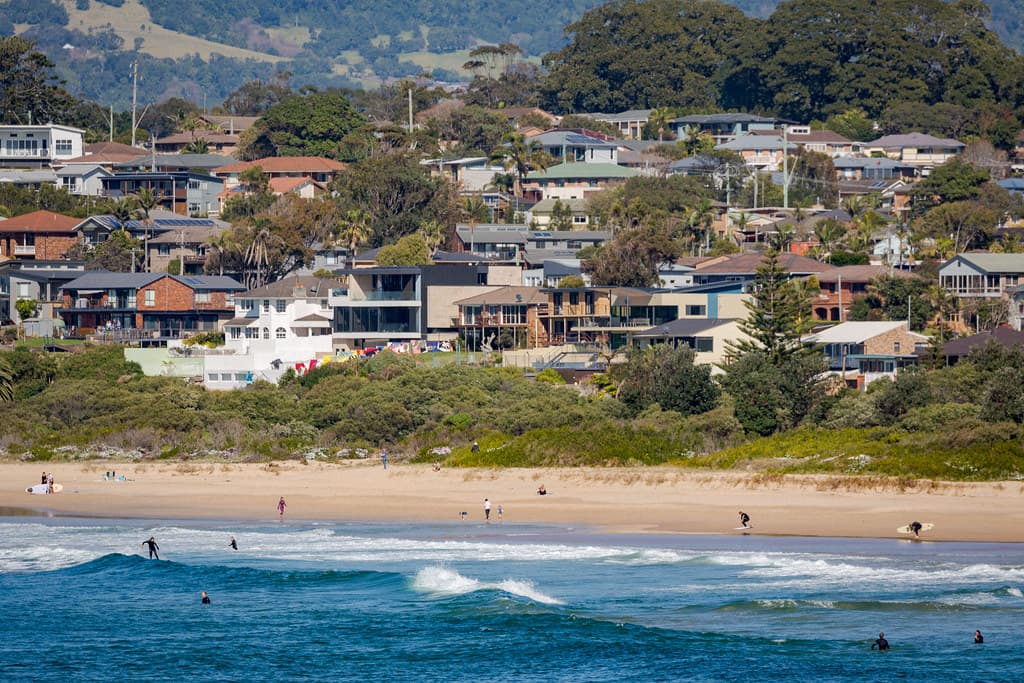
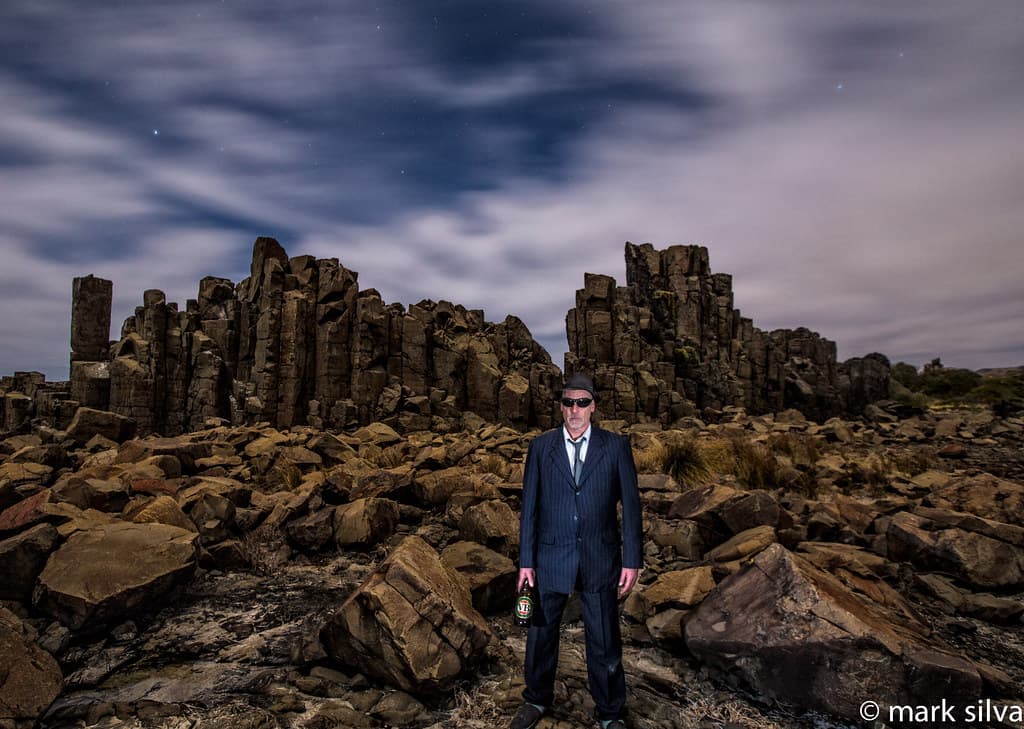
The first thing you notice is the geometry. Hexagonal basalt columns rise from the sand like organ pipes, their edges softened by millennia of salt spray but still unmistakably angular. These volcanic remnants frame the beach in a way that feels more Icelandic than Australian, a consequence of ancient lava flows that cooled into this startling honeycomb stone. You walk across rock platforms worn smooth by tides, each step requiring attention as barnacles cling to the darker patches. The adjacent Bombo Quarry continues to operate, its cranes visible against the sky, and this proximity to industry lends the beach an unexpected character. There's no resort development here, no cafe with a view—just you, the surf, and the knowledge that humans have been extracting stone from this headland for more than a century. Surfers paddle out near the northern rocks, reading swells that wrap around the basalt point, while photographers time their visits for low tide when the platforms reveal tidal pools stippled with anemones. The beach itself runs narrow and dark-sanded, backed by low dunes and the occasional Norfolk pine. Locals arrive with dogs and surfboards in equal measure, treating the shore as a daily necessity rather than a destination. You'll find no lifeguard towers or flags here, just the unvarnished Illawarra coast doing what it's done since before the quarry's first blast.
Places, rentals, tours and events within walking and driving distance of Bombo Beach.
Photos
Bombo Beach requires caution for swimmers due to strong currents, rock platforms, and unpredictable surf conditions. The beach is unpatrolled, meaning no lifeguards are on duty. The rocky shoreline and submerged basalt formations create hazards, particularly at high tide. Experienced swimmers may enjoy the waters on calm days, but families with children should exercise extreme care. Always check tide times and ocean conditions before entering the water. The beach is better suited for rockpool exploration, photography, and beach walks rather than traditional swimming activities.
Bombo Beach can be visited year-round, with each season offering different advantages. Winter months (June-August) bring dramatic seas perfect for photography, especially capturing waves crashing against the distinctive basalt columns. Spring and autumn provide milder weather ideal for exploring rock pools and coastal walks with fewer crowds. Summer (December-February) offers warm temperatures, though the beach can be busier during Australian school holidays. Early morning and late afternoon visits provide the best lighting for photographing the iconic quarry formations, regardless of season.
Bombo Beach is located approximately 10 kilometres north of Kiama on the NSW South Coast, about 90 minutes' drive south of Sydney via the Princes Highway. From the highway, turn onto Bombo Road and follow signs toward Bombo village. Limited street parking is available near the beach access point on Bombo Road. There's no dedicated car park, so arrive early during weekends and holidays. The beach access involves a short walk from the road. The area is also accessible by train to Bombo Station, followed by a 10-minute walk.
Bombo Beach has minimal on-site facilities, with no toilets, cafes, or shops directly at the beach. The small village of Bombo offers limited services, so visitors should plan accordingly. For comprehensive amenities, head to nearby Kiama (5 minutes south) which has numerous cafes, restaurants, supermarkets, and public facilities. Accommodation options include hotels, holiday rentals, and caravan parks in Kiama and surrounding coastal towns. Pack food, water, and sunscreen before visiting Bombo Beach, as you'll need to travel for most services.
The distinctive basalt columns at Bombo Beach are volcanic rock formations created millions of years ago when lava cooled and fractured into geometric hexagonal pillars. These dramatic structures are remnants of an old quarry operation, where rock was extracted for construction materials. The columns create a striking landscape that resembles Ireland's Giant's Causeway on a smaller scale. They're extremely popular with photographers, particularly during high tide when waves crash spectacularly against the formations. Visitors can explore the rock platform carefully, but should watch for slippery surfaces and ocean spray.