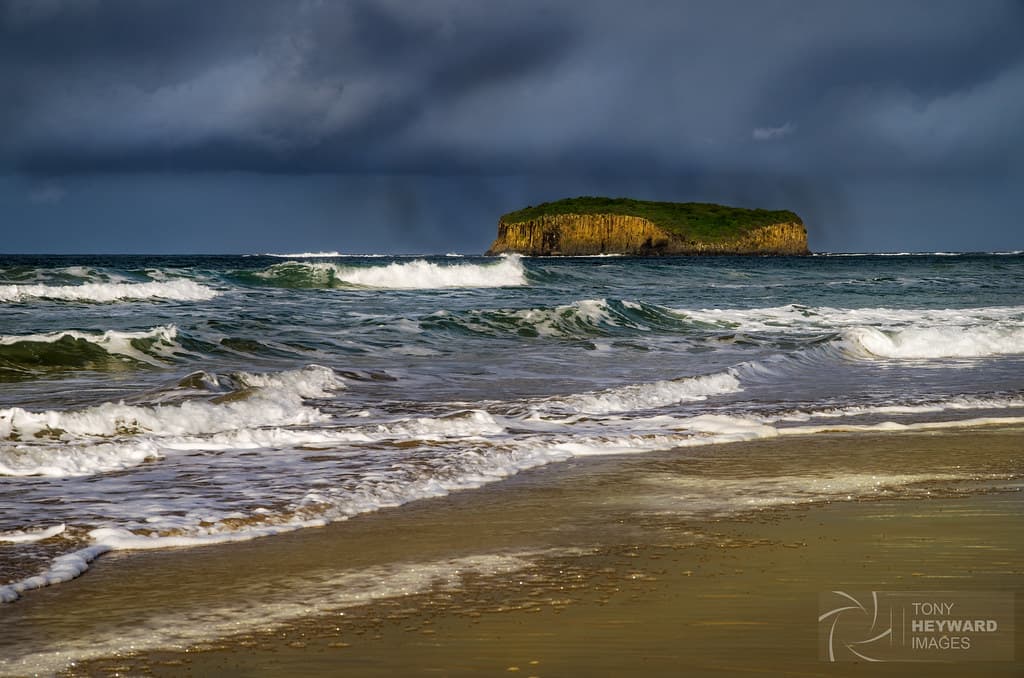
Counting the waves…
Counting the waves…

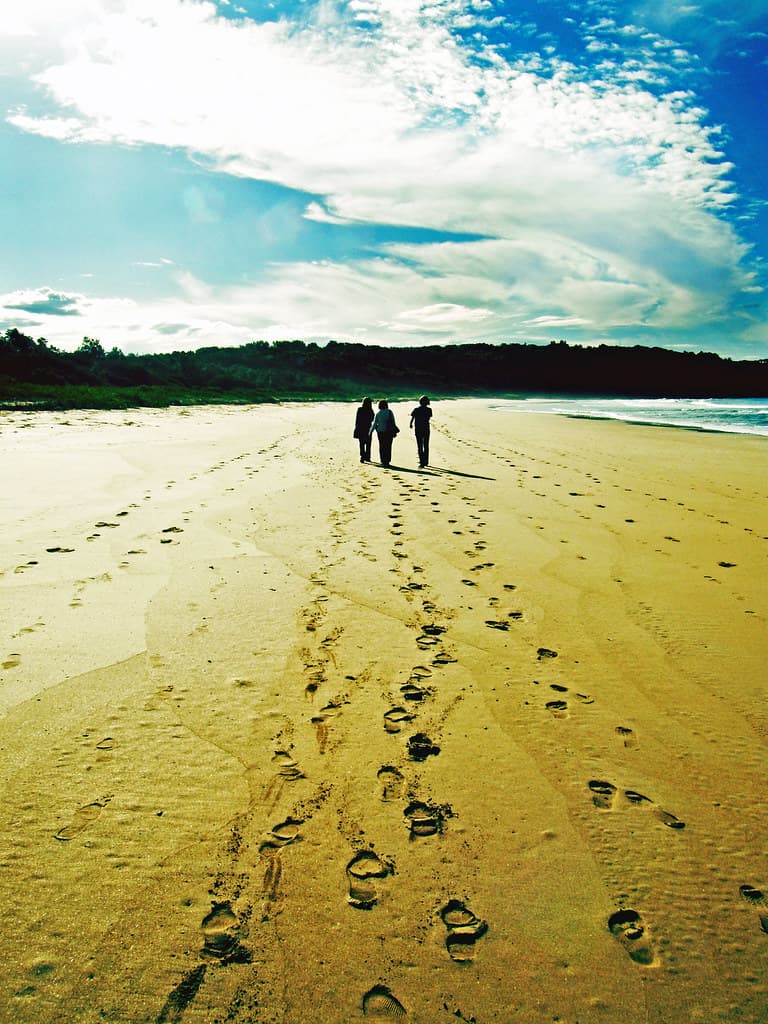
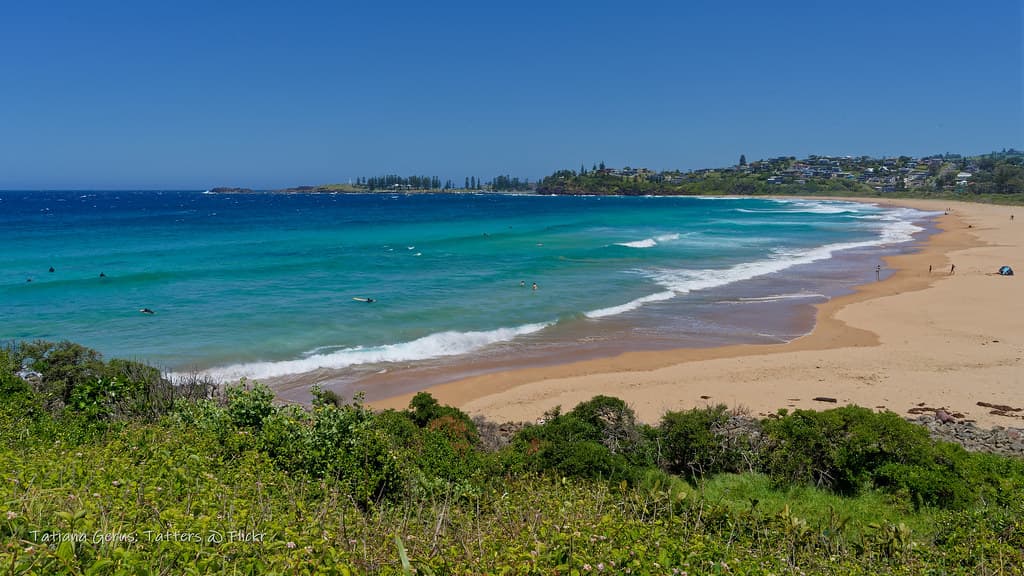
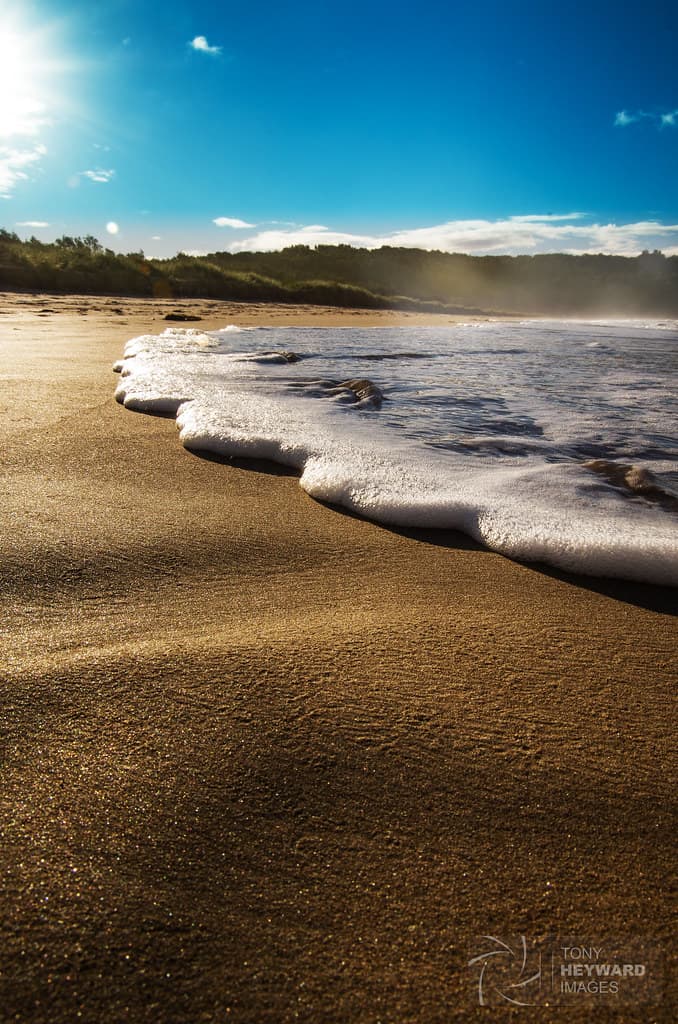
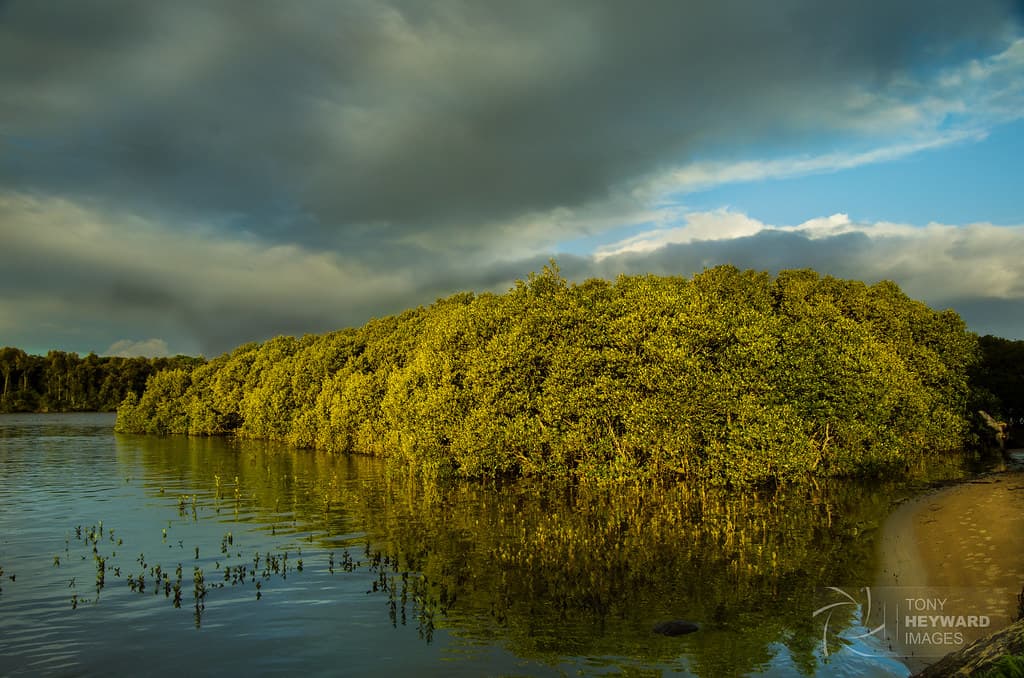
The Minnamurra River doesn't so much end as hesitate, pooling into a broad lagoon before committing to the sea. You can wade knee-deep where toddlers chase bream fingerlings, then walk two hundred metres south to waves that thump the sand with enough authority to remind you this is still the Pacific. Black cormorants dry their wings on the river rocks; surfers bob beyond the break. It's a beach that refuses to pick a single personality. The rock shelf on the southern headland holds galaxies in miniature—anemones the colour of pomegranate seeds, periwinkles tracing lazy spirals, crabs that vanish into crevices the moment your shadow falls. At low tide, the platform becomes a natural promenade, slick with weed but walkable if you've brought sandshoes. Families claim the river mouth by mid-morning; the southern end stays quieter, favoured by locals who know the rip patterns. Behind the dunes, the escarpment rises steep and green, a wall of rainforest that funnels cool air down to the sand on summer afternoons. The carpark sits beneath she-oaks that rattle in the onshore breeze, and the path to the beach is short enough that you'll make multiple trips for the esky without complaint. This is a beach that rewards the whole day, not just the golden hour.
Places, rentals, tours and events within walking and driving distance of Minnamurra Beach.
Photos
Minnamurra Beach is unpatrolled, so swimmers should exercise caution and assess conditions before entering the water. The river mouth creates variable currents that can be unpredictable, especially after rain when river flow increases. Families often prefer the calmer river sections for paddling with young children. Strong ocean swimmers may enjoy the surf breaks, but be aware of rips near the river entrance. Always swim between the flags when lifeguards are present during peak holiday periods, check local surf reports, and never swim alone or during rough conditions.
Minnamurra Beach is enjoyable year-round, with each season offering different experiences. Summer (December-February) brings warm weather ideal for swimming, though it's busiest during school holidays. Autumn and spring offer pleasant temperatures, fewer crowds, and excellent conditions for walking and photography. Winter (June-August) is quieter, with occasional whale sightings offshore and dramatic weather creating spectacular scenery. Early mornings provide the calmest conditions and best light for photographers. The beach's sheltered position makes it relatively pleasant even on windy days when other Kiama beaches are exposed.
Minnamurra Beach is located approximately 10 kilometres north of Kiama on the NSW South Coast. From Sydney, take the Princes Highway (A1) south or catch a train to Minnamurra Station, then walk about 15 minutes to the beach. By car, turn off the highway at Minnamurra Road and follow signs to the beach. Free parking is available in a gravel car park near the beach entrance, though spaces fill quickly during summer weekends and holidays. Additional street parking is available nearby. The beach access involves a short walk down from the car park.
Minnamurra is a quiet residential area with limited beachfront facilities. The nearest cafes and shops are in Minnamurra village, about 1-2 kilometres away, or in nearby Jamberoo. For a wider selection of restaurants, cafes, and supermarkets, Kiama town centre is approximately 10 minutes' drive south. Accommodation options in the immediate area include holiday rentals and some bed-and-breakfasts. More extensive lodging choices, from hotels to motels and caravan parks, are available in Kiama. There are no public toilets directly at the beach, so plan accordingly.
The Minnamurra River mouth is popular for kayaking, particularly during calmer conditions when paddlers can explore the river estuary and surrounding wetlands. The area offers sheltered paddling opportunities, though caution is needed near the river entrance where currents can be strong. Fishing is permitted and anglers target bream, flathead, and whiting from the beach and river banks. Check NSW fishing regulations for size and bag limits. The river mouth conditions change with tides and rainfall, so local knowledge helps. Launching kayaks is easiest from the river banks rather than the ocean beach.