Counting the waves…
Counting the waves…

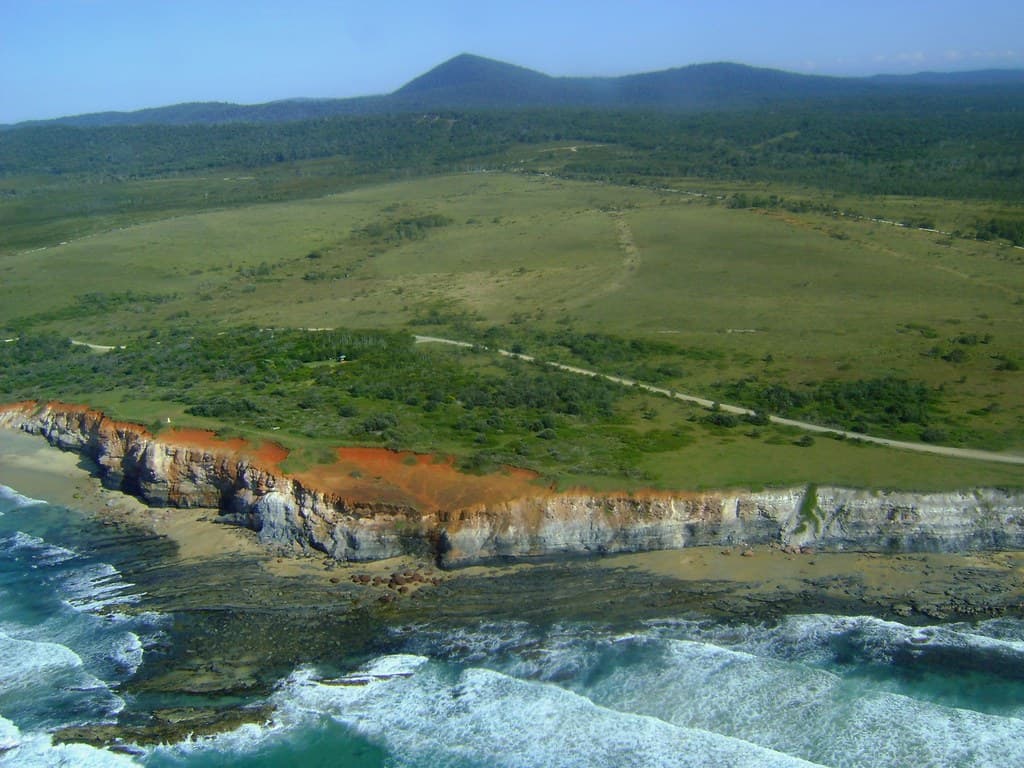
The drive into Brooms Head drops you past sugarcane fields and grazing cattle before the ocean suddenly fills your windscreen. This is the Clarence Coast stripped to essentials: a sweeping crescent of golden sand bookended by weathered rock platforms, backed by Norfolk pines that lean slightly inland from decades of salt wind. The southern end unfurls wide and forgiving, perfect for children who chase foam in ankle-deep water while their parents doze under beach umbrellas that haven't changed style since 1987. You'll find surfers clustered near the northern headland at dawn, where a reliable right-hander peels across the reef when the swell cooperates. By mid-morning the beach recalibrates to holiday mode—boogie boards, inflatable crocodiles, someone's uncle sleeping upright in a camp chair. The rock shelf at low tide becomes a natural aquarium: you'll spot luderick darting between kelp fronds, and if you're patient, the occasional wobbegong resting in a sandy pocket. What keeps Brooms Head from tipping into resort territory is its resolute ordinariness. The general store still sells bait and sunscreen in equal measure. The caravan park fills with the same families every Christmas, their annex setups so practiced they could do it blindfolded. You won't find day spas or cocktail menus—just reliable waves, clean amenities, and the kind of coastal calm that reminds you why you started chasing beaches in the first place.
Places, rentals, tours and events within walking and driving distance of Brooms Head Beach.
Photos
Brooms Head Beach is generally considered safe for swimming, particularly in the sheltered southern end near the headland. The beach features relatively calm waters compared to more exposed coastal beaches, making it suitable for families. However, conditions can vary with tides and weather. There are no patrolled areas with lifeguards, so swimmers should exercise caution, check conditions before entering the water, and swim between the flags if patrol services are operating during peak holiday periods. Always supervise children closely.
Brooms Head Beach is enjoyable year-round due to the North Coast's mild climate. Summer (December-February) offers warm water and temperatures ideal for swimming, though it's the busiest period. Autumn and spring provide pleasant weather with fewer crowds, perfect for beach walks and fishing. Winter remains mild with temperatures around 17-20°C, suitable for whale watching (June-November). The region experiences most rainfall in summer, so shoulder seasons often provide the best balance of good weather and tranquility.
Brooms Head Beach is located approximately 35km northeast of Grafton and 70km south of Yamba via the Pacific Highway. From Grafton, take the Summerland Way to Maclean, then follow Brooms Head Road east for about 20km. The village has several parking areas near the beach, including spaces along the beachfront and near the boat ramp. Parking is generally free and uncrowded outside peak holiday periods. The final approach includes unsealed roads in some sections.
Brooms Head is a small coastal village with limited but adequate facilities. The Brooms Head Bowls and Recreation Club offers meals and drinks with ocean views. For self-catering, bring supplies from larger towns like Maclean or Yamba, as there's no supermarket on-site. Accommodation includes holiday parks with cabins and camping sites, plus holiday home rentals. The village maintains a quiet, relaxed atmosphere focused on nature and beach activities rather than commercial tourism.
Brooms Head is excellent for fishing enthusiasts, offering diverse opportunities from beach, rock, and boat fishing. The beach is popular for catching whiting, bream, and flathead, while the headland rocks attract anglers targeting drummer, trevally, and tailor. The Sandon River mouth nearby provides fantastic estuary fishing. There's a public boat ramp for launching vessels into calm waters. Rock fishing requires caution and appropriate safety gear. Check NSW fishing regulations for size limits, bag limits, and seasonal closures before fishing.