Counting the waves…
Counting the waves…

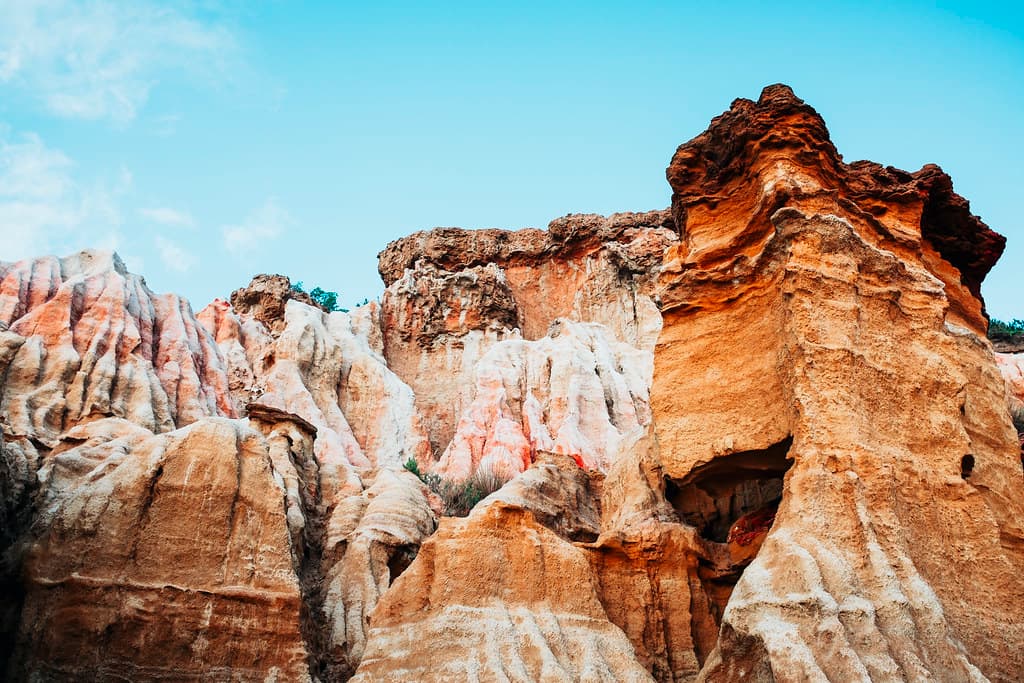
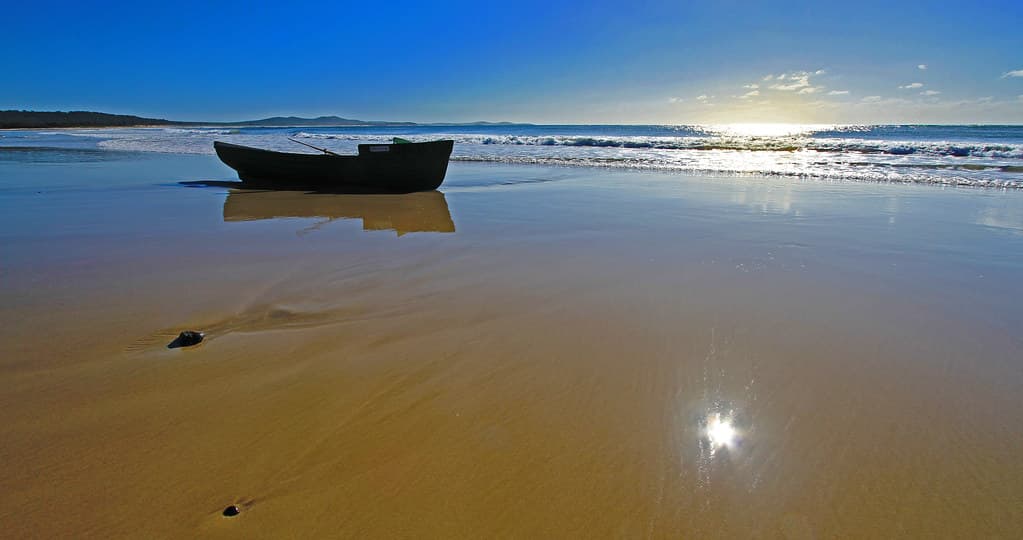
The turnoff is easy to miss—a weathered sign pointing down a dirt road that winds through coastal heath before spilling you onto a stretch of sand that feels like it belongs to another century. Sandon Beach sits where the Sandon River curls into the Pacific, forming a dynamic estuary that rewrites itself with every high tide and easterly swell. Banksia trees lean landward, shaped by prevailing winds, while the beach itself stretches north in a long, unbroken line of caramel-colored sand. This is a place that reveals itself slowly. In the shallows near the river mouth, you'll spot the telltale swirl of feeding fish at dawn. The campground behind the dunes hums quietly with the sounds of camp stoves and the clatter of tackle boxes—Sandon draws fishermen and families who return year after year, claiming the same shaded sites beneath the she-oaks. There are no cafés, no surf schools, no beach umbrellas for rent. What you get instead is space, solitude, and the rhythmic percussion of waves on sand. Bring everything you need. The nearest town, Minnie Water, is a short drive south, but Sandon rewards self-sufficiency. Pack your own firewood, your own ice, your own patience. The beach doesn't perform; it simply exists, indifferent and unchanging, waiting for you to meet it on its terms.
Places, rentals, tours and events within walking and driving distance of Sandon Beach.
Photos
Sandon Beach is generally unpatrolled, so swimming requires caution and experience. The beach can experience strong currents, rips, and unpredictable surf conditions typical of remote NSW coastal areas. Always swim between the flags if lifeguards are present during peak periods, stay close to shore, and never swim alone. Check local conditions before entering the water. The beach is more popular for fishing than swimming due to its exposed nature. If you're unsure about conditions, it's best to enjoy the beach for walking and fishing instead.
Sandon Beach is accessible year-round, with each season offering different appeals. Spring and autumn provide mild temperatures ideal for camping, fishing, and beach walks with fewer crowds. Summer brings warmer weather perfect for extended stays, though it can be busier. Winter offers excellent fishing opportunities and dramatic coastal scenery, but come prepared for cooler temperatures and occasional strong winds. The temperate NSW climate means the beach remains pleasant throughout the year. Check weather forecasts before visiting, as this remote location can be affected by coastal weather systems.
Sandon Beach is located approximately 30 kilometres north of Yamba and accessed via Sandon Road, which turns off the Pacific Highway. The final stretch involves unsealed roads that may require a four-wheel drive, especially after rain. Parking is available near the beach and camping areas, though facilities are basic. The remote location means limited signage, so GPS or detailed maps are recommended. Allow extra travel time for the unsealed road sections. The access road conditions can vary seasonally, so check locally if you're unsure about vehicle requirements.
Sandon Beach has very limited facilities, reflecting its remote, natural character. A basic camping area is available for those seeking an off-grid experience, but amenities are minimal—bring all supplies, including drinking water, food, and camping equipment. There are no shops, restaurants, or formal accommodation at the beach itself. The nearest towns with services are Minnie Water and Wooli, both requiring a drive. Public toilets may be available near the camping area, but facilities are basic. This beach suits self-sufficient travellers comfortable with remote camping.
Sandon Beach is highly regarded among anglers for its productive fishing opportunities. The beach offers excellent surf fishing for species like bream, whiting, flathead, and tailor, particularly from the beach and surrounding rock platforms. The Sandon River mouth nearby provides additional fishing spots for estuary species. The remote location means less fishing pressure compared to more accessible beaches. Rock fishing is popular but requires extreme caution due to ocean swells. Many visiting anglers combine beach fishing with camping to maximize their time on the water during prime feeding periods.