
Counting the waves…
Counting the waves…

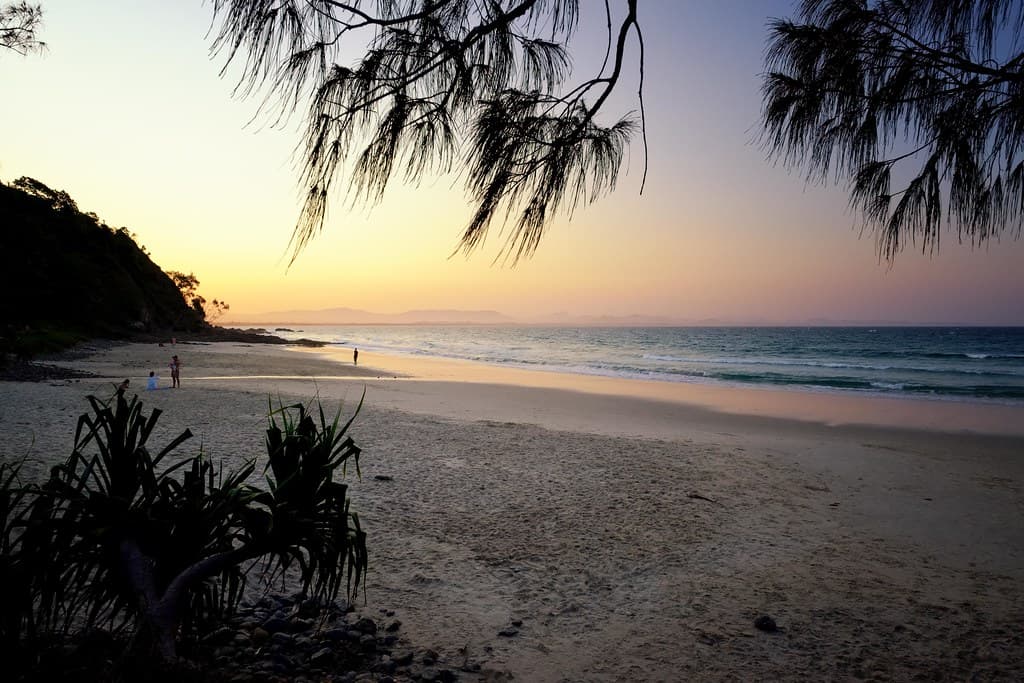
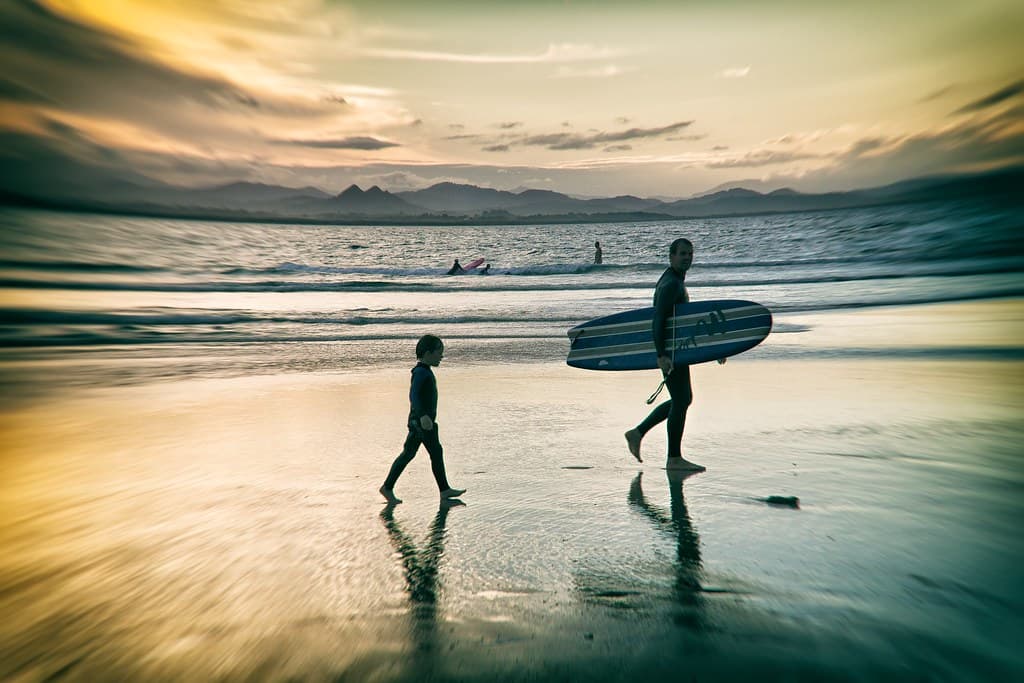
The walk from the car park follows a narrow path through coastal heath, your board under one arm, the Pacific stretching endless to your left. Below, The Pass reveals itself in sections: first the bowl near the rocks where the wave jacks up over shallow reef, then the long, generous wall that lets you trim and carve all the way to the beach. On a good swell, a single ride can run two hundred meters, your calves burning by the time you kick out in the shorebreak. The basalt shelf that creates this right-hander sits just offshore, dark and barnacled at low tide, submerged and deceptively shallow when the water rises. Locals call different sections by feel rather than name—the steep takeoff zone near the point, the workable middle where learners practice cutbacks, the inside reform where groms and bodyboarders jockey for scraps. Between sets, you'll float in bathwater when the nor'easters blow in summer, or shiver in your steamer come July. Beyond the break itself, the headland walk continues east toward the lighthouse, winding through littoral rainforest where brush turkeys scratch in the leaf litter. At dawn, you might spot humpbacks breaching offshore during their winter migration, while oystercatchers work the rock platforms and the Cape Byron Light sweeps its beam through morning mist. The beach curves west from the point, a long crescent of golden sand where non-surfers spread towels and watch the show, the line-up a shifting constellation of bodies and boards catching wave after wave toward shore.
Places, rentals, tours and events within walking and driving distance of The Pass.
Photos
The Pass is generally safer than other Byron Bay beaches due to its sheltered position and gentle waves near the shore, making it suitable for swimming and beginner surfing. The point break creates consistent, mellow waves ideal for longboarding. However, conditions vary with swell direction and tide. Always swim between the red and yellow flags where lifeguards patrol during peak seasons. Rips can occur, particularly on larger swells. Check surf reports before entering the water and be aware that rocks are present at the headland.
The Pass works year-round, though winter (June-August) typically offers the most consistent surf with swells from the south. Summer (December-February) brings warmer water temperatures around 23-26°C and busy conditions. Autumn (March-May) provides excellent surf with fewer crowds and pleasant weather. Early mornings generally offer cleaner conditions before afternoon sea breezes pick up. The Pass handles various swell directions but works best with easterly and northeasterly swells. Weekdays are significantly less crowded than weekends, especially during holiday periods when Byron attracts maximum visitors.
The Pass is located at the eastern end of Clarkes Beach, accessible via Lighthouse Road from Byron Bay town centre (approximately 2km). The main car park is at Wategos Beach; from there, walk back along the coastal path about 200 metres. Street parking is available along Lighthouse Road but fills quickly, especially on weekends and summer holidays. Alternatively, park in Byron Bay town and walk along the beachfront (20-25 minutes) or cycle. During peak times, arrive before 8am for parking or consider walking/cycling from town to avoid frustration.
The Pass Beach Café sits directly at the beach access point, offering breakfast, coffee, and casual meals with spectacular ocean views. No other facilities exist directly at The Pass, but Byron Bay town centre (2km away) has extensive dining, shopping, and accommodation options ranging from hostels to luxury resorts. Public toilets and outdoor showers are available at the nearby car park. For supplies, Byron's supermarkets and surf shops are easily accessible. The Beach Hotel and numerous cafés line the main beach area, all within walking or short driving distance from The Pass.
The Pass features a long, peeling right-hand point break that can produce rides exceeding 300 metres on ideal swells, making it perfect for longboarding and traditional surfing styles. The wave's consistent, gentle shoulder allows for nose-riding and classic manoeuvres. Its reliable nature and accessible entry make it a longboarding mecca, though this also means crowds, particularly during good conditions. The Pass gained legendary status in the 1960s-70s surfing counterculture movement and remains a pilgrimage site for longboard enthusiasts worldwide, though expect to share waves with many others.