Counting the waves…
Counting the waves…

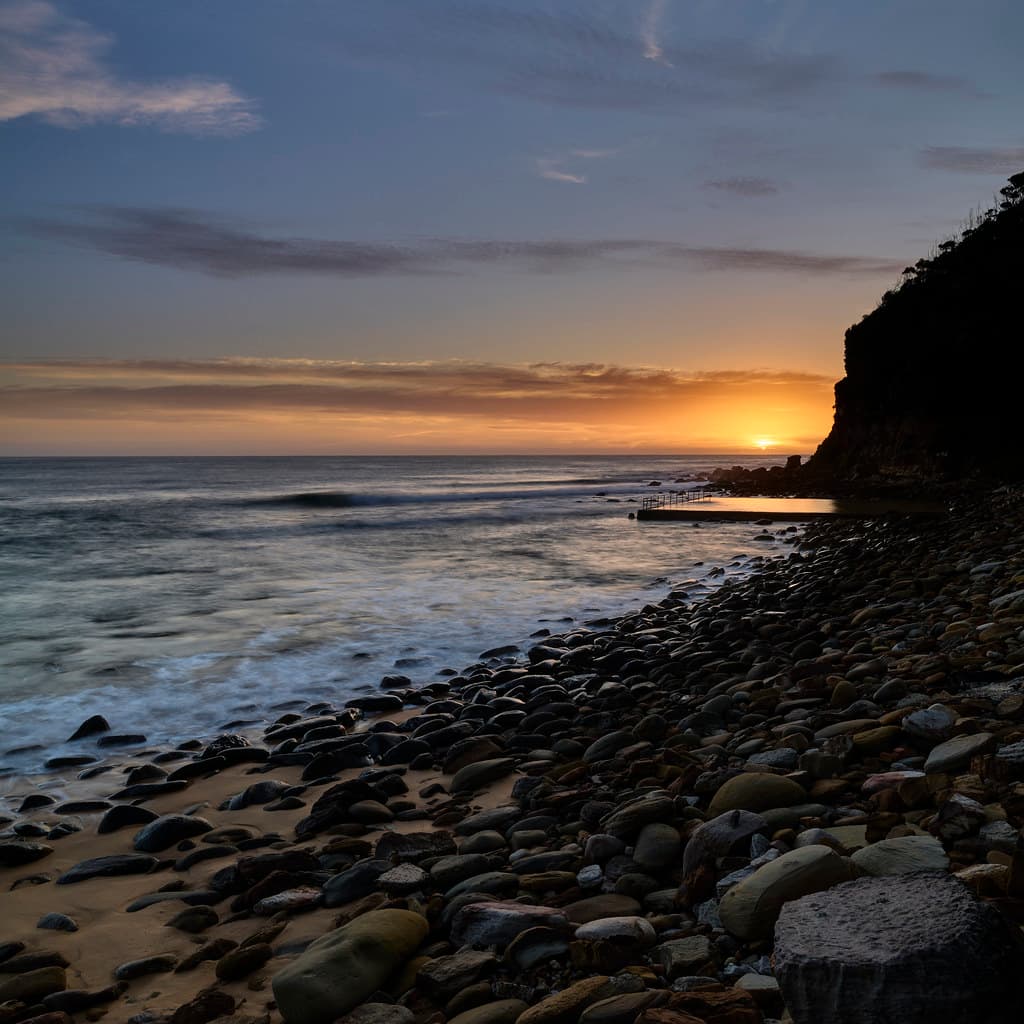
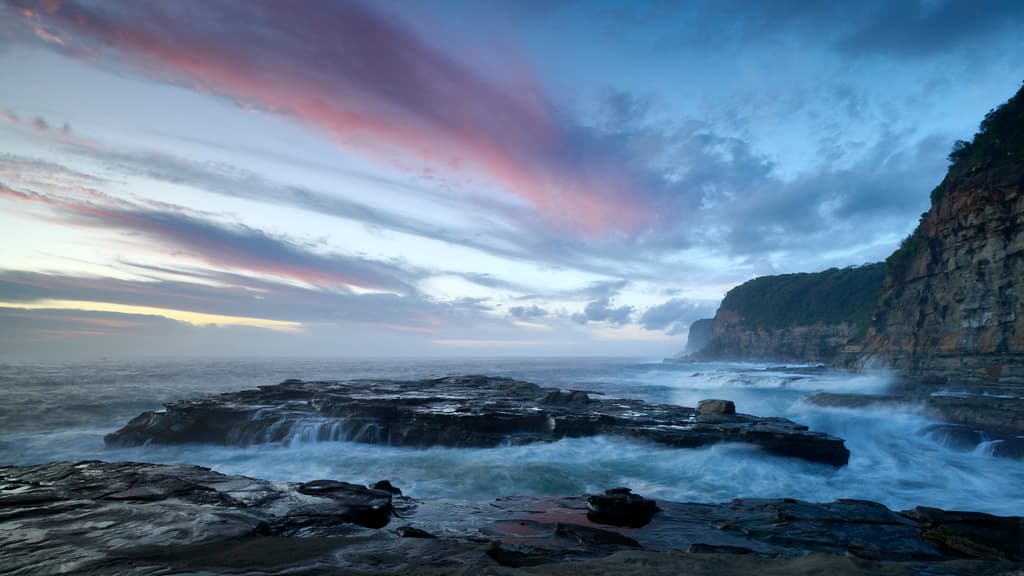
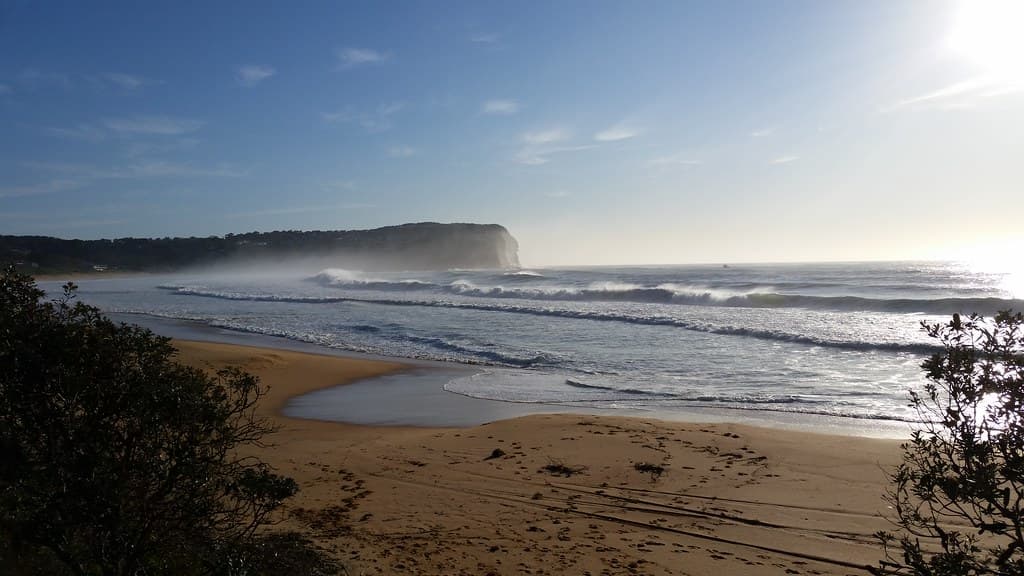
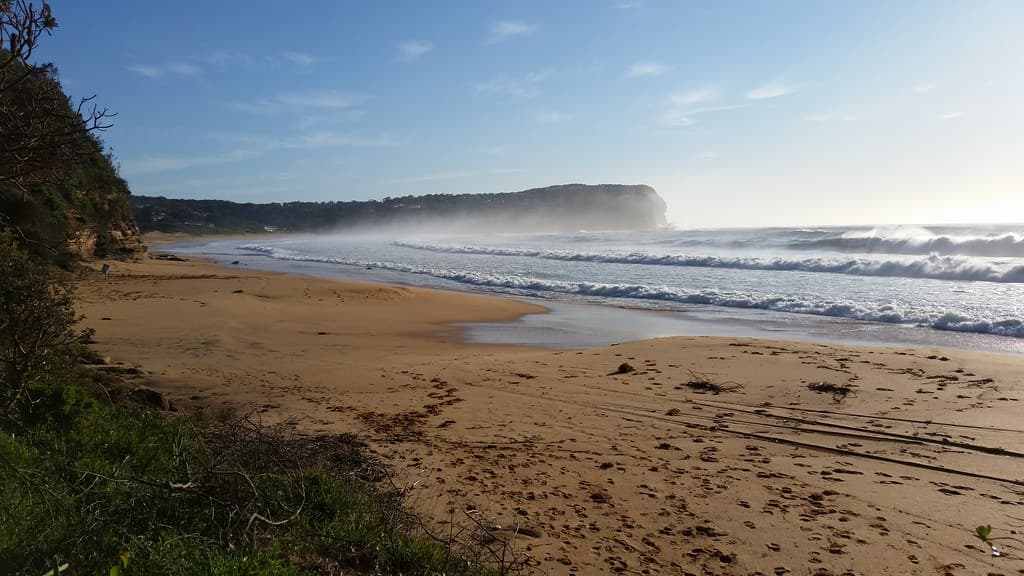
The beach curves gently between rocky headlands, its golden sand sloping into water that churns white near shore and deepens to slate-green farther out. On most mornings, you'll find dog walkers tracing the high-tide line while the surf club flags mark the patrolled zone between the rocks. The air carries salt and eucalyptus from the reserve behind the dunes, mixing with sunscreen and the occasional drift of sausage sizzle from weekend fundraisers at the surf club. Unlike the tourist magnets that bookend this stretch of coast, Copacabana maintains the feel of a town that happens to have a spectacular beach rather than a beach that sprouted a town. Weatherboard cottages and brick weekenders line the streets behind the shore, many with surfboard racks bolted to carports and sandy footprints permanently embedded in welcome mats. The local shops cluster around a single intersection—a bottle shop, fish-and-chips outlet, and general store that stocks bread, newspapers, and zinc in equal measure. The southern headland offers a walking track that rewards the climb with views across the entire bay, while the northern end transitions into rock platforms where patient anglers cast toward deeper water. Between them, the beach absorbs families setting up shade tents, teenagers perfecting their drop-ins, and retirees who've earned the right to claim the same spot every single morning. The water stays swimmable year-round, though only the dedicated brave it in July without neoprene.
Places, rentals, tours and events within walking and driving distance of Copacabana Beach.
Photos
Copacabana Beach is generally safe for swimming and is patrolled by surf lifesavers during peak seasons and weekends. The beach features flagged swimming areas where you should always swim between the red and yellow flags. Conditions vary, so check the safety flags before entering the water. The beach can experience moderate surf, making it suitable for families, though always supervise children. Rips can occur, particularly after storms or during king tides, so it's essential to follow lifeguard instructions and avoid swimming outside patrolled hours.
Copacabana Beach is enjoyable year-round due to the Central Coast's temperate climate. Summer (December-February) offers warm weather ideal for swimming, with temperatures averaging 25-28°C, though it's the busiest season. Autumn and spring provide pleasant conditions with fewer crowds, perfect for beach walks and outdoor activities. Winter is mild, with daytime temperatures around 16-19°C, suitable for scenic strolls but cooler for swimming. Weekdays are generally quieter than weekends throughout the year, offering a more relaxed beach experience.
Copacabana Beach is located on the NSW Central Coast, approximately 90 minutes' drive north of Sydney via the M1 Pacific Motorway. Take the Copacabana exit and follow signs to the beach. Public parking is available along Copacabana Drive and Del Monte Place, with both free and metered spaces depending on location and season. Parking can be limited during peak summer periods and weekends, so arrive early. Alternatively, regular bus services connect Copacabana to surrounding towns including Gosford and Woy Woy.
Copacabana Beach has excellent amenities including public toilets, showers, and changing facilities. The beachfront features several cafes and takeaway shops offering coffee, breakfast, and casual dining options. Copacabana Surf Life Saving Club operates a kiosk during busy periods. Nearby Del Monte Place shopping village has a small supermarket, bakery, and additional dining choices. While accommodation options directly at Copacabana are limited, you'll find holiday rentals, apartments, and beachside houses available for rent. Neighbouring Avoca Beach, just minutes north, offers more extensive dining and lodging options.
Despite being located just south of Avoca Beach, Copacabana maintains a distinct, quieter village atmosphere. The beach is smaller and more sheltered, often experiencing gentler surf conditions compared to Avoca, making it popular with families. Copacabana has a more residential, local feel with fewer commercial developments and tourist crowds. The beach features a distinctive lagoon area that's ideal for young children. While Avoca offers more restaurants, shops, and accommodation, Copacabana appeals to visitors seeking a more relaxed, low-key beach experience with a strong community character.