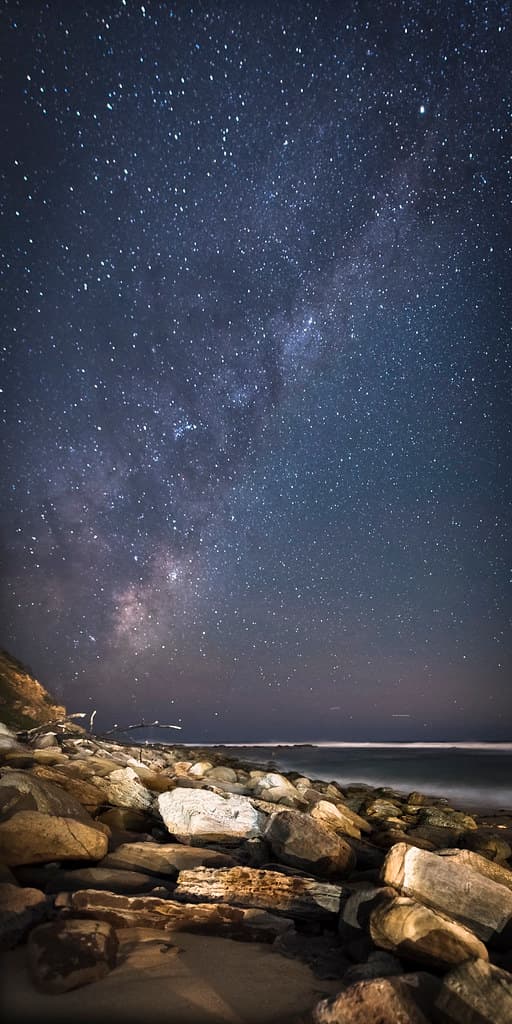
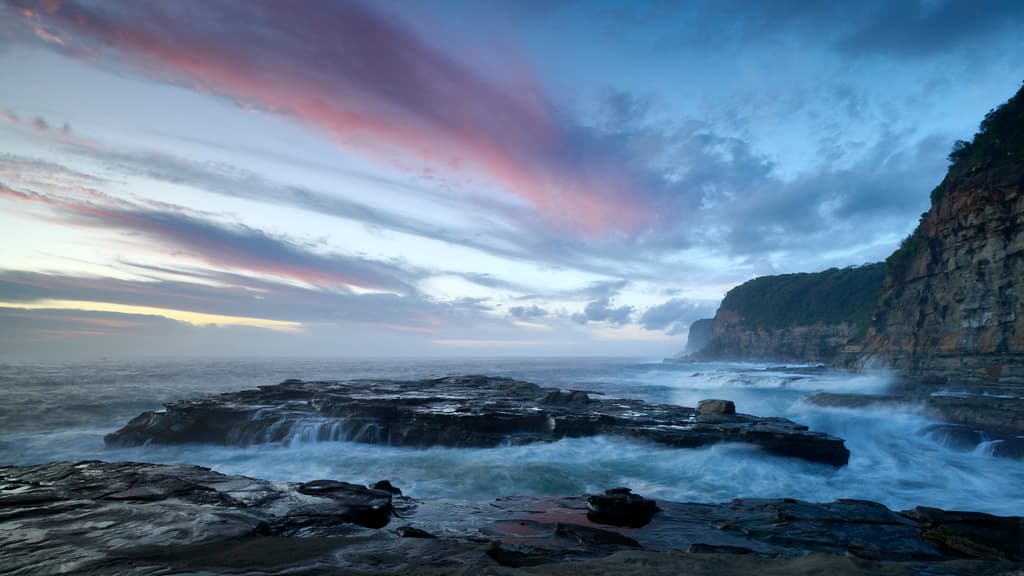
Counting the waves…
Counting the waves…

MacMasters Beach unfolds in a generous crescent where Copacabana meets the southern reaches of the Central Coast, its sand sloping gently into water that shifts from jade to navy depending on the light. The beach club's red-and-yellow flags anchor the patrolled zone, while boardriders cluster near the northern rocks where the break peels with predictable rhythm. Families spread picnic blankets under the pines; toddlers chase foam in the shallows as their grandparents did decades ago. The rock platform at the southern end reveals tidal pools at low water—anemones, periwinkles, the occasional wobbegong resting in the shadows. By mid-morning the smell of sunscreen mingles with salt, and the surf club kiosk dispenses bacon rolls to wetsuit-clad regulars who've already logged two hours in the line-up. This is a beach that operates on ritual: dawn patrols, after-school boogie-board sessions, Sunday arvo swims that stretch until the sun drops behind the ridge. You won't find ultramarine lagoons or deserted coves here. What you will find is a working beach—one that handles summer crowds without losing its character, where the locals nod hello and the rip current signs are faded from sun and honesty. It's the kind of place that earns loyalty not through spectacle, but through showing up, year after year, exactly as promised.
Places, rentals, tours and events within walking and driving distance of MacMasters Beach.
Photos
MacMasters Beach is patrolled by surf lifesavers on weekends, public holidays, and daily during school holidays from September to April. Always swim between the red and yellow flags where lifeguards are on duty. The beach can experience moderate to strong surf conditions, rips, and currents, so it's best suited for confident swimmers. Families with young children may prefer the southern end near the rock pool, which offers calmer water. Check surf conditions and warning signs before entering the water, and never swim alone or at unpatrolled times.
MacMasters Beach is enjoyable year-round, with each season offering different appeal. Summer (December-February) brings warm weather ideal for swimming, with temperatures around 25-30°C, though it's the busiest period. Autumn and spring offer milder conditions perfect for walking and surfing with fewer crowds. Winter (June-August) sees cooler temperatures of 16-19°C but delivers excellent surf conditions. For the best combination of good weather, surf, and lifeguard patrols, visit between October and April. Early mornings are generally less crowded and offer beautiful sunrise views over the ocean.
MacMasters Beach is located approximately 100km north of Sydney on the Central Coast. By car, take the M1 motorway north, exit at Kariong, and follow signs to the Central Coast beaches via Woy Woy Road. The drive takes about 90 minutes from Sydney. Public parking is available along The Esplanade and side streets, though spaces fill quickly on summer weekends. There's no direct train service, but buses connect from Gosford and Woy Woy train stations. Consider arriving early during peak season to secure parking close to the beach.
MacMasters Beach Surf Life Saving Club operates a café with ocean views serving breakfast and lunch. The Esplanade has several cafés, takeaway shops, and convenience stores within walking distance. For more dining variety, nearby Copacabana (2km south) and Avoca Beach (5km north) offer restaurants and pubs. Accommodation ranges from beachside holiday apartments and houses to bed and breakfasts in the area. Larger hotels and motels are available in nearby Terrigal, about 10km north. Many visitors base themselves at Avoca Beach or Terrigal and explore multiple Central Coast beaches during their stay.
MacMasters Beach stands out for its consistent surf breaks that attract surfers of varying skill levels, making it a respected surf destination on the Central Coast. The beach features a picturesque natural amphitheatre setting surrounded by headlands, creating a more sheltered feel than exposed beaches. Its location between the busier hubs of Terrigal and Avoca Beach means it often feels less crowded while still offering excellent facilities. The southern rock pool is particularly popular with families, and the northern headland walk provides stunning coastal views, combining active beach culture with natural beauty.