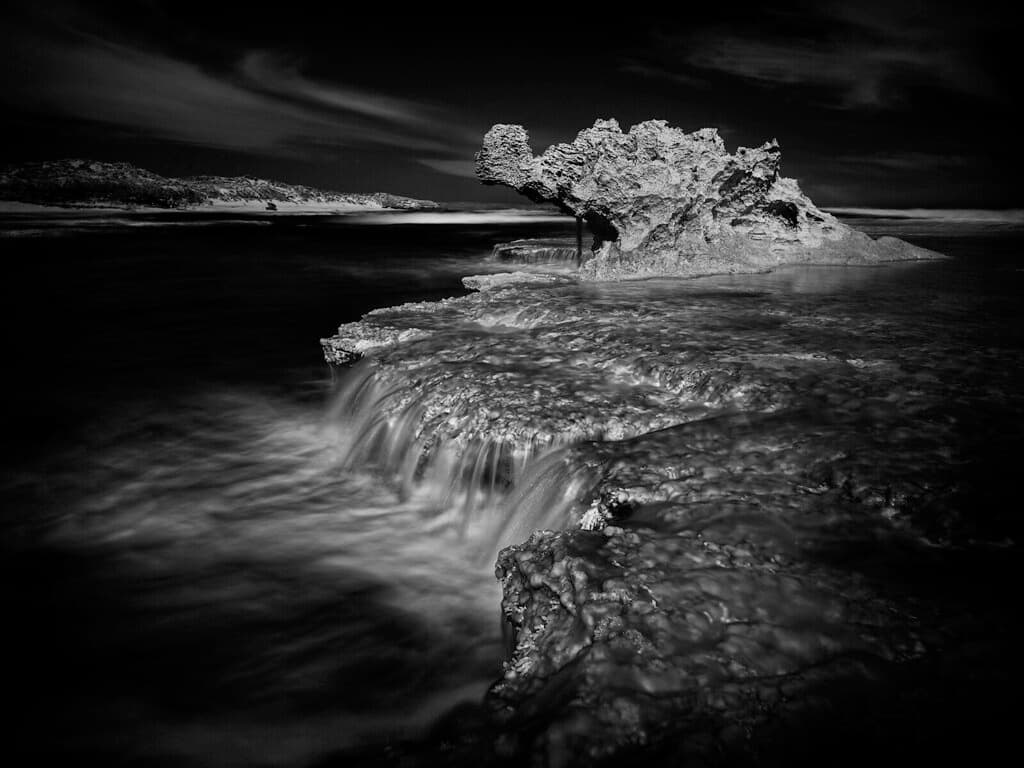
Counting the waves…
Counting the waves…

Diamond Beach unfolds as a generous three-kilometer sweep where the Tasman Sea meets a shoreline that refuses to put on airs. The sand holds the weight of morning joggers and the divots of toddlers' first seaside steps with equal grace, while the dunes behind you bristle with coastal she-oak that whispers in the salt wind. This is a beach that works for a living—locals still cast lines from the shore at first light, and the volunteer surf lifesavers patrol with the kind of quiet competence that comes from generations of knowing these breaks. The water here shifts from milky jade in the shallows to deeper teal beyond the sandbar, clean enough that you'll see your toes even waist-deep. On weekdays outside school holidays, you'll claim entire stretches of sand with only the cormorants for company, their black silhouettes drying on the rock platforms that bookend the beach. The northern headland offers a short walk to higher ground where you can watch humpback whales breach during their May-to-November migration, close enough that you'll hear the exhale. Back in the village, the general store sells meat pies that locals swear by, and the caravan park hums with the low-key rhythms of families who've been booking the same week every January since the 1980s. There's no velvet-rope vibe here—just reliable waves, dependable sunshine, and a community that never forgot what a beach town is supposed to feel like.
Places, rentals, tours and events within walking and driving distance of Diamond Beach.
Photos
Diamond Beach is generally suitable for swimming, though conditions vary with weather and swell. The beach is unpatrolled, so swimmers should exercise caution and assess conditions before entering the water. Check for rips, particularly after storms or during higher tides. The beach is relatively protected, making it calmer than many open ocean beaches in the area. Always swim between the flags if lifeguards are present during peak holiday periods, stay within your depth, and supervise children closely. Local surf conditions can be checked through Surf Life Saving NSW or coastal watch services.
Diamond Beach enjoys a temperate climate suitable for visiting year-round. Summer (December-February) offers warm weather ideal for swimming and beach activities, though it's the busiest season. Autumn (March-May) and spring (September-November) provide pleasant temperatures, fewer crowds, and are excellent for coastal walks and whale watching during migration season. Winter (June-August) is quieter and cooler but still appealing for beach walks and scenery. The beach's sheltered position makes it more comfortable than exposed coastal spots during windier months, offering consistent appeal across seasons.
Diamond Beach is located on the NSW Mid North Coast, approximately 3.5 hours north of Sydney via the Pacific Highway and 30 minutes south of Taree. Take the Hallidays Point exit and follow signs to Diamond Beach. Street parking is available along Diamond Beach Road and surrounding residential streets near beach access points. Parking is generally free but can be limited during peak summer holidays and weekends. Several pedestrian access points lead from the road to the beach. The nearest major town is Forster-Tuncurry, about 20 minutes south, offering additional services.
Diamond Beach is a residential coastal village with limited commercial facilities directly on-site. The nearby Hallidays Point village (5 minutes) offers a small shopping centre, cafes, takeaway options, and essential services. For wider dining, shopping, and accommodation choices, Forster-Tuncurry (20 minutes south) and Taree (30 minutes north) provide supermarkets, restaurants, hotels, and motels. Accommodation at Diamond Beach itself consists mainly of holiday rental homes and apartments. Many visitors stay in the quieter village setting and make short trips to larger towns for provisions and varied dining experiences.
Diamond Beach is known for its long, relatively uncrowded stretch of golden sand backed by coastal vegetation and residential areas rather than high-rise development. The beach maintains a peaceful, village atmosphere even during holidays. Its name reportedly comes from the sparkling quartz in the sand that glimmers in sunlight. The beach forms part of a continuous coastal system connecting to nearby Black Head and Cellito beaches, offering extended walking opportunities. The area appeals particularly to families and those seeking a quieter coastal experience away from more commercialized beach destinations, with a strong local community feel.