Counting the waves…
Counting the waves…

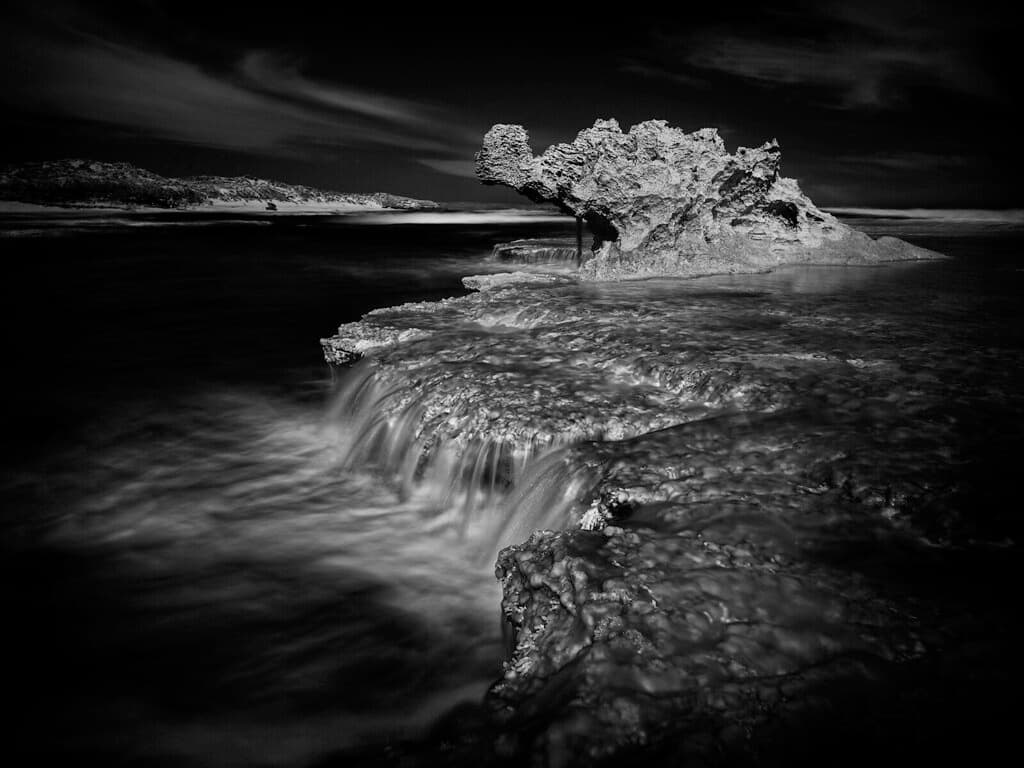
Black Head South Beach unfolds as a natural afterthought to its more celebrated neighbor, separated by a low rocky outcrop that acts as both boundary and filter. You'll notice the shift immediately: the carpark chatter fades, replaced by the scrape of banksia branches and the honest crash of unobstructed swell. The beach curves gently, backed by coastal scrub that smells of salt and eucalyptus, and the sand—fine, blonde, stippled with shell fragments—stretches toward a southern point where anglers cast into the channel. The water here runs cooler and clearer than you'd expect, fed by currents that sweep around the headland. At low tide, the rock shelf on the northern end reveals a landscape of anemones, periwinkles, and the occasional wobbegong resting in the shallows. You can wade out past the break and float in water so still it mirrors the sky, or stay close to shore where the sand drops away in gentle terraces. There's no surf club, no flags, no ice cream van—just a narrow access track through the dunes and the unspoken understanding that you've found a place most visitors miss. Early mornings bring dolphins threading through the lineup, and by midday the sun bleaches the sand white. Bring what you need; the nearest amenities are back at the main beach, a five-minute walk that feels like crossing into another season entirely.
Places, rentals, tours and events within walking and driving distance of Black Head South Beach.
Photos
Black Head South Beach is generally calmer than many exposed ocean beaches due to its sheltered position, making it suitable for swimming in moderate conditions. However, like all NSW beaches, conditions can change quickly with weather and swell. The beach is unpatrolled, so swim at your own risk and always check local surf reports before entering the water. Avoid swimming during rough seas, king tides, or after heavy rain. Stay between the flags if lifeguards are present at nearby patrolled beaches, and never swim alone.
Black Head South Beach can be enjoyed year-round, with each season offering different advantages. Summer (December-February) provides warm swimming conditions, though occasional crowds from nearby areas. Autumn and spring offer mild weather, fewer visitors, and excellent conditions for beach walks and wildlife spotting. Winter (June-August) is quieter still, with cooler water temperatures but often clear, sunny days ideal for walking and whale watching (June-November). The beach's sheltered aspect makes it particularly pleasant during windy conditions that affect more exposed beaches.
Black Head South Beach is accessed via Black Head Road in Hallidays Point, approximately 3.5 hours north of Sydney and 40 minutes from Taree. Limited parking is available at the southern end of Black Head Beach near the headland; from there, it's a short walk along the beach or coastal path. The area has less developed parking than the main Black Head Beach. Consider parking at the main Black Head Beach car park and walking south. The beach is best accessed on foot, so wear appropriate footwear for sand and rocks.
Black Head South Beach itself has minimal facilities, being a quieter, less developed area. The nearby Hallidays Point village (approximately 2-3km away) offers cafes, restaurants, a general store, and takeaway options. Accommodation ranges from holiday parks and rental properties to beachfront apartments in the broader Hallidays Point area. For more extensive dining and shopping, Taree and Forster-Tuncurry are within 30-40 minutes' drive. It's advisable to bring your own food, water, and supplies when visiting this beach, as amenities are not immediately adjacent.
Black Head South Beach remains relatively unknown compared to the main Black Head Beach, offering visitors a quieter, more secluded coastal experience. Its position tucked beside the headland means fewer people venture this far, making it ideal for those seeking solitude, peaceful beach walks, or undisturbed nature appreciation. The scenic surroundings, rock platforms, and lack of commercial development give it an untouched character. Photographers and nature lovers particularly appreciate its tranquility and the opportunity to explore tide pools and coastal vegetation without typical beach crowds.