Counting the wavesβ¦

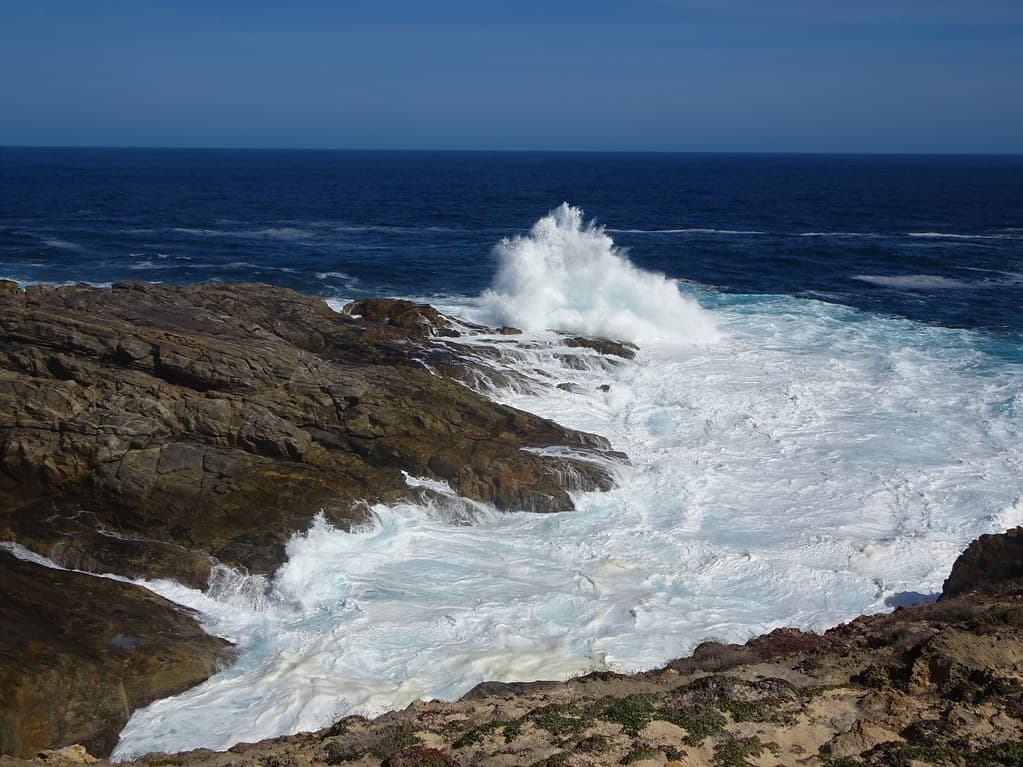
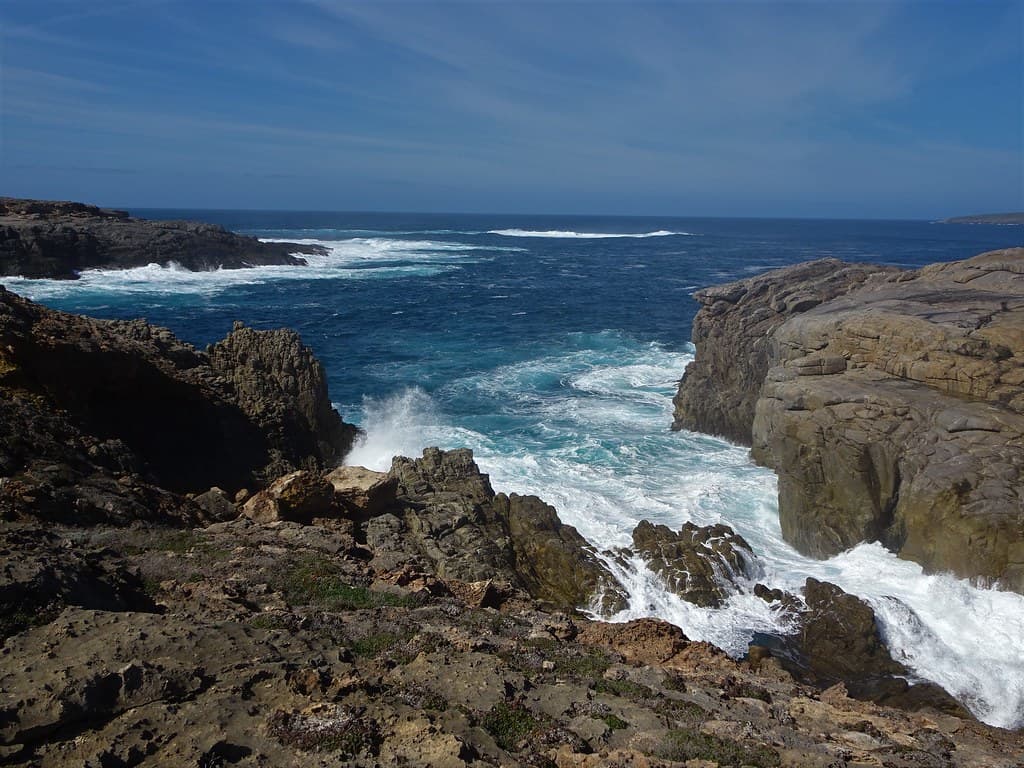
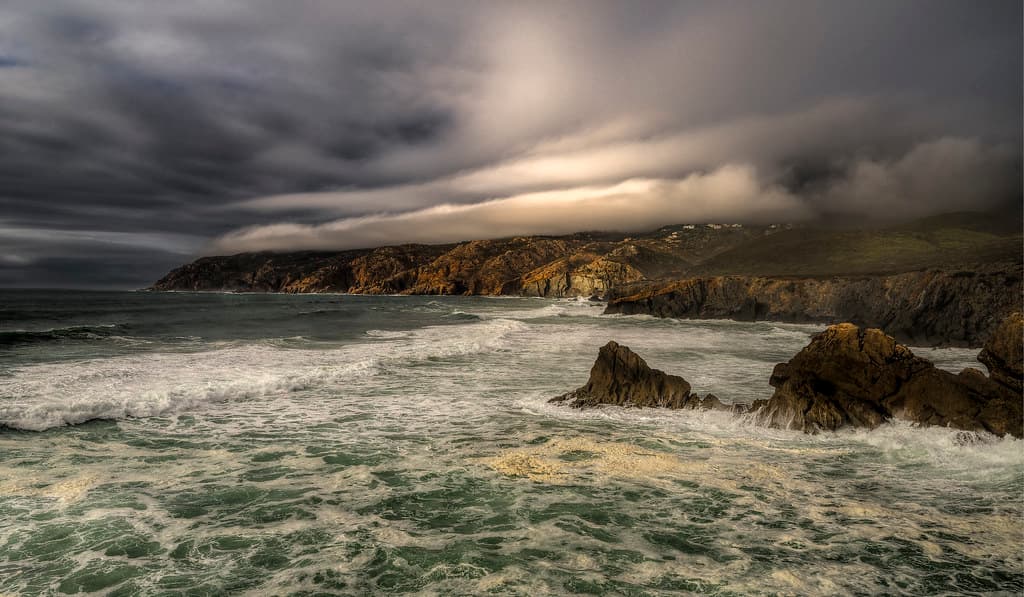
The shore break at Emerald Beach announces itself with a low rumble that carries across the caravan park and into the village streets. You'll watch the swell lines stack up beyond the headland, darkening from jade to navy as they approach the sandbar. The beach curves gently northward, framed by weathered Norfolk pines that lean inland from decades of easterly winds. Foam collects in shallow channels where kids dig for pipis, and the lifeguard tower sits on legs thick enough to withstand king tides. The northern lookout track climbs through coastal banksia, and from the top you can read the ocean: where the current runs, where the sweep pushes south, which sandbars are holding. Surfers study this view before they paddle out. Below, dog walkers trace the high-tide line at dawn, dodging bluebottles stranded by overnight winds. Come mid-afternoon, the offshore breeze grooms the faces of three-foot sets, and the water takes on the green tint that gave the beach its nameβnot the saturated turquoise of tourist brochures, but a muted, shifting olive that deepens in the troughs. The coastal reserve behind the dunes offers picnic tables under she-oak canopy, where you'll brush away the spent needles and unpack your lunch to the soundtrack of sulphur-crested cockatoos.
Places, rentals, tours and events within walking and driving distance of Emerald Beach.
Photos
Emerald Beach is patrolled by lifeguards during peak holiday periods and summer weekends, but not year-round. The beach is known for strong surf conditions, which can create powerful waves and rips that challenge inexperienced swimmers. Always swim between the red and yellow flags when lifeguards are on duty, and check conditions before entering the water. The southern end near the headland typically offers calmer conditions. If you're unfamiliar with surf beaches or travelling with children, exercise extra caution and consider swimming only when patrols are present.
Emerald Beach enjoys a year-round mild climate, making it suitable for visits any season. Summer (December-February) offers warm weather ideal for swimming, though it's the busiest period. Autumn and spring provide pleasant temperatures with fewer crowds, perfect for beach walks and surfing. Winter (June-August) sees cooler conditions but remains popular with surfers seeking consistent swells. The beach faces east, so mornings typically offer the best conditions for swimming and photography before afternoon sea breezes pick up. Lifeguard patrols are most consistent during school holidays and summer weekends.
Emerald Beach is located off the Pacific Highway, approximately 25 minutes north of Coffs Harbour and 15 minutes south of Woolgoolga. From the highway, follow signs to Emerald Beach via Emerald Beach Drive. The main beach access has a free car park at the end of Fiddaman Road, near the surf club. Parking fills quickly during summer holidays and weekends. Additional street parking is available along nearby residential streets. The beach is not serviced by public transport, so a car is necessary unless you're staying within walking distance.
Emerald Beach is a small village with limited on-site facilities. The beach has public toilets, outdoor showers, and picnic areas near the surf club. For food and supplies, you'll need to visit nearby Woolgoolga (7km north) or Coffs Harbour (15km south), which offer supermarkets, cafes, and restaurants. Accommodation options in Emerald Beach itself are primarily holiday rentals and apartments rather than hotels. The village maintains a quiet, residential character, so visitors should plan accordingly and bring supplies if spending the day at the beach.
Emerald Beach is renowned among surfers for its consistent waves and beach breaks that work across various swell directions. The east-facing beach catches regular swells, offering waves suitable for intermediate to advanced surfers. The beach features multiple peaks along its length, spreading out crowds even during busy periods. South-easterly swells typically produce the best conditions, while offshore westerly winds create clean wave faces. The beach's exposure means it can handle larger swells that close out other nearby beaches. Less experienced surfers should check conditions carefully, as waves can be powerful.