Counting the waves…
Counting the waves…

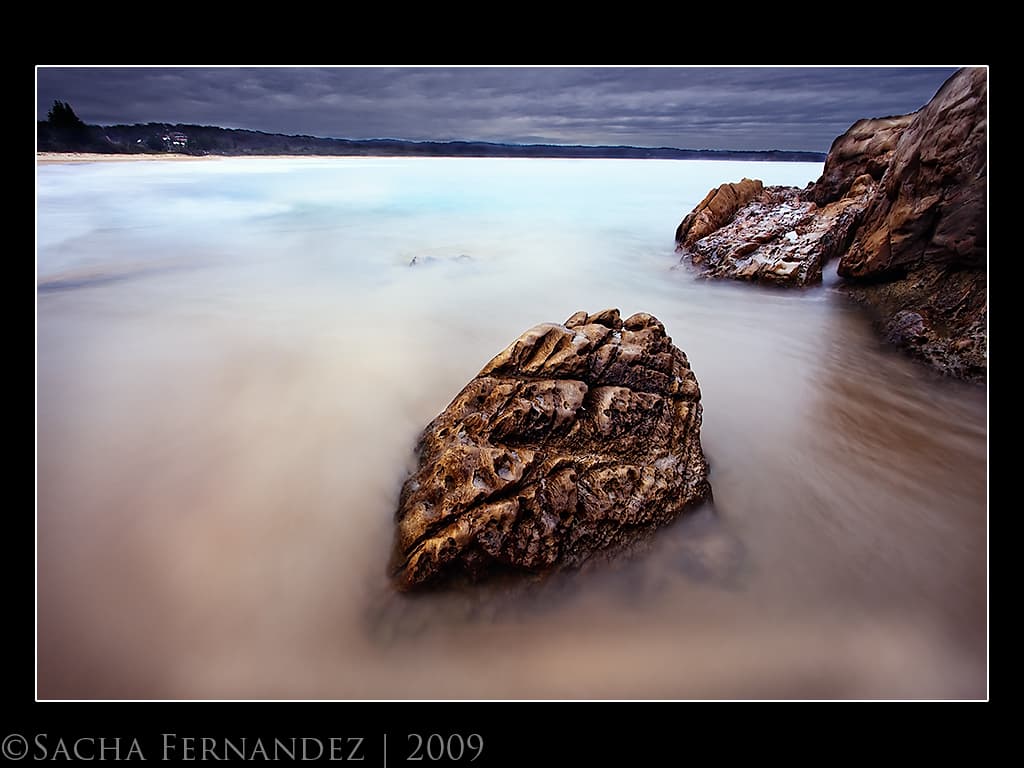
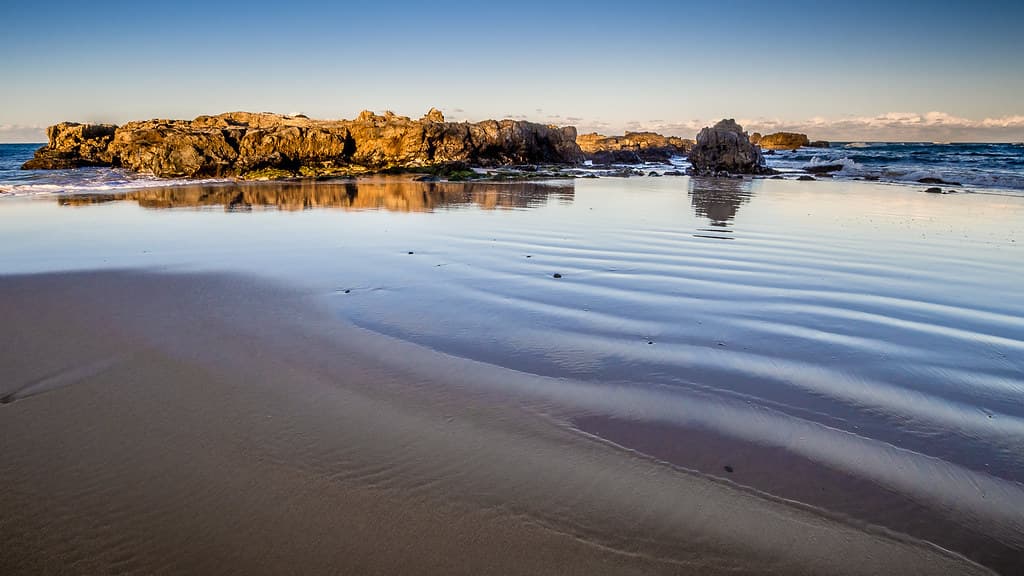
Moonee Creek divides this beach into two distinct zones. On the southern end, the creek fans out across the sand in braided channels no deeper than your shin, warm and tea-coloured from upstream paperbarks. Children crouch here with nets, hunting for tiny fish that dart between their toes, while ibis stalk the mudflats at low tide. The freshwater stays shallow for thirty metres before meeting the salt, creating a natural paddling pool that shifts shape with every tide. North of the creek mouth, the beach stretches uninterrupted toward Diggers Headland, where Norfolk pines lean inland from decades of onshore wind. The sand here is coarser, studded with pumice fragments and cuttlebone. At high tide, waves push right up to the dune base; at low, you'll walk a hundred metres across hard-packed sand ribbed like corduroy. Locals spread towels near the surf club, using the brick building as a windbreak when southerlies kick up. The headland walking track starts beside the caravan park, switchbacking through coastal banksia scrub. From the top, you can trace the entire Coffs Coast: Mutton Bird Island to the south, Sawtell's red roofs beyond that. Below, the creek mouth glints bronze in afternoon light, and you'll spot the exact line where creek water meets ocean – two shades of blue refusing to blend for fifty metres offshore.
Places, rentals, tours and events within walking and driving distance of Moonee Beach.
Photos
Moonee Beach is generally considered safe for families, offering calmer conditions than many nearby surf beaches. The beach features both ocean swimming and a sheltered creek area (Moonee Creek), which is particularly popular with young children due to its gentle, shallow waters. The beach is patrolled during peak holiday periods and summer weekends. However, always swim between the flags when lifeguards are present, be aware of changing conditions, and supervise children closely. The creek mouth can experience currents when tides are flowing.
Moonee Beach is enjoyable year-round, with each season offering different advantages. Summer (December-February) brings warm water and lifeguard patrols, ideal for families, though it's busier during school holidays. Autumn and spring offer pleasant temperatures, fewer crowds, and comfortable beach conditions. Winter remains mild on the NSW North Coast, with average temperatures around 17-20°C, perfect for beach walks. The area experiences most rainfall in summer and early autumn, so spring and winter often provide clearer skies for visiting.
Moonee Beach is located approximately 15 kilometres north of Coffs Harbour via the Pacific Highway. Take the Moonee Beach exit and follow Moonee Beach Road east to the coast. The main beach access point has a dedicated car park at the end of Moonee Beach Road, near the surf club. Parking is free but can fill quickly during peak summer periods and holidays. Additional street parking is available in the surrounding residential area. The beach is easily accessible from the car park, with a short walk to the sand.
Moonee Beach is primarily a quiet residential area with limited commercial facilities. The Moonee Beach Tavern offers casual dining and is the main food option within walking distance of the beach. For more extensive dining, shopping, and services, Coffs Harbour (15 minutes south) offers numerous choices. Accommodation options include holiday homes, beach houses available for rent, and the Moonee Beach Caravan Park. Several larger resorts and hotels are available in nearby Sapphire Beach (5 minutes) and Coffs Harbour for visitors wanting more amenities.
Moonee Creek is the defining feature that sets this beach apart, creating a unique dual water experience. The creek meanders along the southern end of the beach before flowing into the ocean, forming shallow, calm pools perfect for toddlers and young children. At low tide, the creek creates natural lagoons ideal for wading, while kids can safely play where fresh water meets the sea. This creek-beach combination provides variety within one location—ocean swimming for older children and adults, plus protected creek areas for little ones, making it exceptionally family-friendly.