Counting the waves…
Counting the waves…
A refined fusion of water purity, environmental stability, and communal vibrancy for Congwong Beach.
View MethodologyAnalyzed via live sensors and environmental data.
Wave height, wind, and atmospheric stability.
Live footfall and crowd balance metrics.
Community reviews and curated sentiment.
“You'll smell eucalyptus before you see the water. The path through coastal scrub opens onto a crescent of pale sand where gentle waves lap a shore flanked by weathered sandstone. Families spread picnic blankets beneath…”
Limited recent visitor reports — live OBI telemetry is your best guide for current conditions.
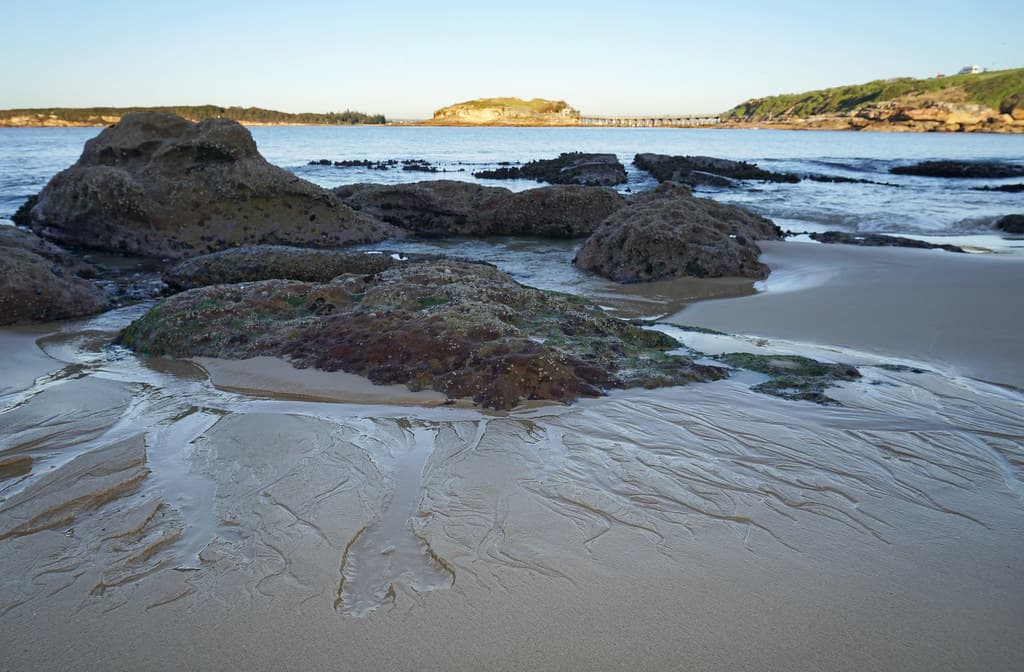
Congwong Beach sits tucked inside Kamay Botany Bay National Park, shielded from the southerly swells that pound the outer coast. The approach winds through heath and banksia woodland—coastal vegetation that rustles and clicks with native birds—before the trail descends to a protected bay where the water stays reliably calm. Norfolk Island pines stand sentry along the northern headland, their silhouettes sharp against the sky, while the southern rocks glow amber in afternoon light.
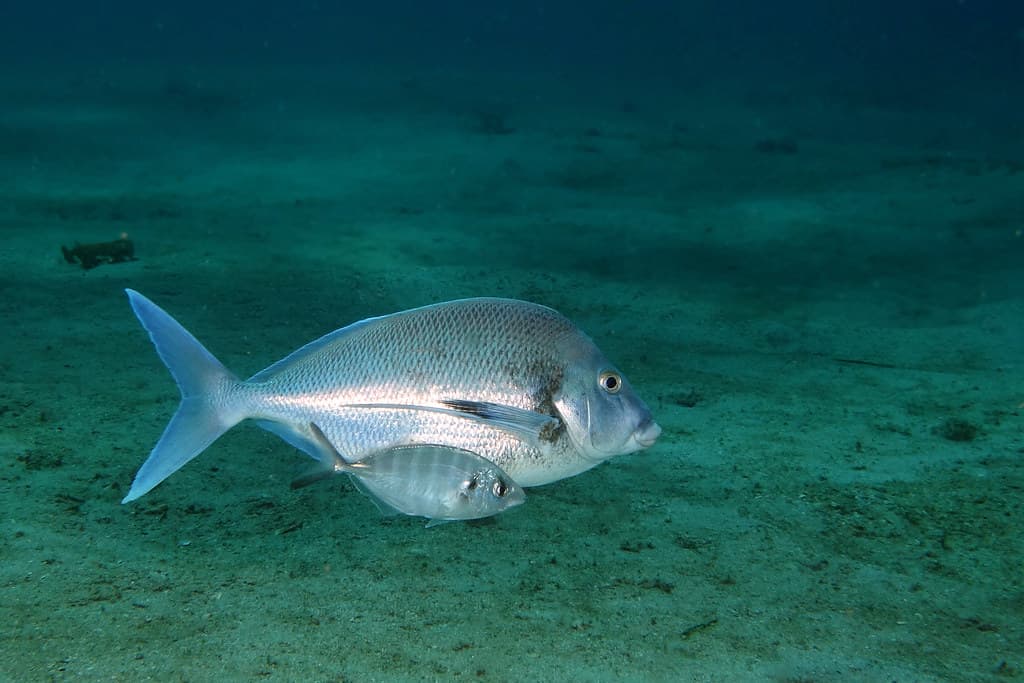
You'll wade into water that warms early in the season, its sandy bottom visible even at shoulder depth. The bay's orientation keeps the surf mellow enough for tentative swimmers, yet the clarity invites you to peer at darting fish and seagrass beds just offshore. Families claim spots near the picnic shelters; solo visitors favor the southern end where sandstone boulders create natural perches. The beach empties by late afternoon, leaving only the sound of wavelets and the occasional kookaburra.
 Credit: Unsplash
a person standing on top of a rocky beach next to the ocean
 Credit: Unsplash
a wooden fence on a beach next to the ocean
Calm water, sandy bottom
Fish dart near rocky edges
Afternoon light on sandstone
Where it is
Congwong Beach
Kurnell, New South Wales, Australia
-34.004800°, 151.226700°
Weather
Loading…
Swell
—
Temp
Warm · Restorative
UV Index
Moderate
Wind
—
Tidal State
Last known
Max Sunlight
—
Ideal Shade
—
Jan - Dec (Peak)
Mar - Nov (Off-season)
Historical data suggests peak visibility and stable sea temperatures occur during the prime visitation window.
Select a category to load nearby places.
Unlock restaurants, luxury stays and curated maritime experiences within 2km
Congwong Beach is generally considered one of the safer swimming spots in the Botany Bay area due to its sheltered, north-facing position that protects it from ocean swells. The beach has calm, clear waters ideal for families with young children. However, there are no lifeguards on patrol, so swim at your own risk and stay within your depth. Check conditions before entering the water, and be aware that facilities are limited. The protected cove makes it popular for snorkeling as well.
Congwong Beach is pleasant year-round, though summer (December-February) offers the warmest water temperatures for swimming. The beach's sheltered position means it's often calmer than nearby ocean beaches, making it suitable even on windier days. Weekdays tend to be quieter than weekends. Winter months (June-August) are cooler but still enjoyable for walks and picnics. Early morning visits offer the best chance for wildlife spotting and peaceful beach time before crowds arrive, especially during school holidays.
Congwong Beach is located within Kamay Botany Bay National Park in Kurnell, approximately 30km south of Sydney's CBD. By car, take Captain Cook Drive and follow signs to the national park; the drive takes 40-50 minutes from central Sydney. There's a small parking area near the beach that can fill quickly on weekends and holidays. A national park entry fee applies. Public transport is limited—buses run to Kurnell from Cronulla, but it's about a 2km walk from the nearest stop.
Congwong Beach has basic amenities including picnic tables, barbecue facilities, and toilets, but no cafes, kiosks, or food vendors on-site. Visitors should bring their own food, drinks, and beach supplies. The nearby suburb of Kurnell (about 2-3km away) has a small shopping center with a supermarket and takeaway options. For more extensive dining and accommodation choices, Cronulla is the nearest major hub, approximately 7km north, offering restaurants, cafes, hotels, and holiday rentals.
Congwong Beach stands out as one of Sydney's most secluded, hidden beaches, tucked away inside Kamay Botany Bay National Park at the site of Captain Cook's 1770 landing. Its protected position creates exceptionally calm, clear waters perfect for snorkeling and spotting marine life. The beach offers a more intimate, natural experience than Sydney's famous surf beaches, with fewer crowds and a bushland setting. It's also popular with the local Indigenous community and has significant historical and cultural importance as part of the Kamay area.
Photos