Counting the waves…
Counting the waves…

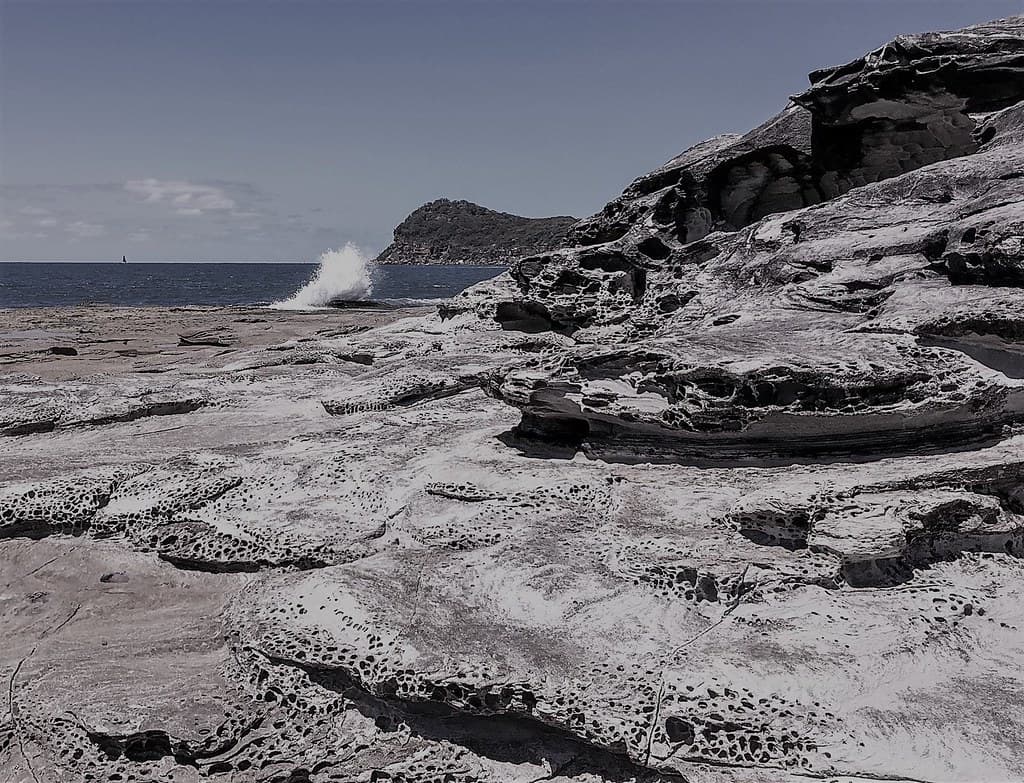
The road into Patonga doesn't go anywhere else. It curls through scribbly-gum forest, past weatherboard cottages, then simply stops at a grassy foreshore where the sand begins. This geographic finality gives the place its charm: no through traffic, no boardwalk buzz, just a crescent of beige sand bookended by boat ramps and a timber wharf that juts into the tidal estuary. You'll share the shallows with toddlers chasing baitfish and retirees launching tinnies at dawn. The water here is Hawkesbury brown near the creek mouth, clearing to green where the bay current sweeps in. Across the channel, the forested slopes of Brisbane Water National Park rise unbroken—no houses, no marina lights—just the kind of raw bushland horizon that's vanishing elsewhere on the Central Coast. Pelicans loaf on mooring buoys; cormorants dry their wings on the ferry pylons. On weekends the Brooklyn ferry delivers day-trippers who stroll the hundred metres from wharf to bakery, then back. Locals barely glance up. This is a place that rewards slowness: a dinghy paddle up Patonga Creek at high tide, fish and chips eaten on the sea wall, the afternoon light turning the escarpment amber. You won't find Instagram mobs or surf schools. Just a functional, unfussy beach where the river meets the ocean and the road runs out of options.
Places, rentals, tours and events within walking and driving distance of Patonga Beach.
Photos
Patonga Beach is generally calm and safe for swimming due to its protected bay location, making it ideal for families with children. The beach is unpatrolled, so swimmers should exercise caution and swim between the flags when lifeguards are present during peak holiday periods. The shallow, gentle waters are suitable for paddling and swimming close to shore. Always check local conditions before entering the water, as currents can occur near the channel entrance. The sheltered bay typically offers more tranquil conditions than ocean-facing beaches.
Patonga Beach is enjoyable year-round thanks to its sheltered location and mild climate. Summer (December-February) offers warm weather perfect for swimming and water activities, though it can be busier during school holidays. Autumn and spring provide pleasant temperatures with fewer crowds, ideal for kayaking and scenic walks. Winter remains relatively mild, making it suitable for beach walks and wildlife spotting. Weekdays are generally quieter than weekends. The beach's protected bay means it's less affected by strong winds compared to open-ocean beaches.
Patonga Beach is accessible by car via Woy Woy, following Woy Woy Road and then Patonga Drive to the end of the peninsula—approximately 90 minutes from Sydney. Street parking is available near the beach and throughout the small village, though spaces can fill quickly on weekends and holidays. Alternatively, you can reach Patonga by passenger ferry from Palm Beach (weekends and public holidays) or by private boat. There's no train station in Patonga; the nearest is Woy Woy, requiring a connecting bus or taxi.
Patonga has limited but quality dining options, including the popular Patonga Beach Hotel offering pub meals with waterfront views, and a general store for basic supplies and takeaway food. Several cafes operate, particularly on weekends. Accommodation options are limited to holiday rentals and a caravan park, as there are no large hotels or resorts. For more extensive dining and lodging choices, visitors often stay in nearby Woy Woy or other Central Coast towns. It's advisable to bring supplies if visiting on weekdays when some venues may have reduced hours.
Yes, Patonga Beach is a popular destination for boaters exploring Brisbane Water and Broken Bay. The beach offers a public boat ramp suitable for launching smaller vessels, and several moorings are available in the bay. Many Sydney boaters cruise up from Pittwater or Brooklyn for day trips or overnight stays. The scenic ferry service from Palm Beach operates on weekends and public holidays, making it a delightful car-free way to visit. Kayaking is also popular, with calm waters ideal for paddling around the bay and exploring the shoreline.