Counting the waves…
Counting the waves…

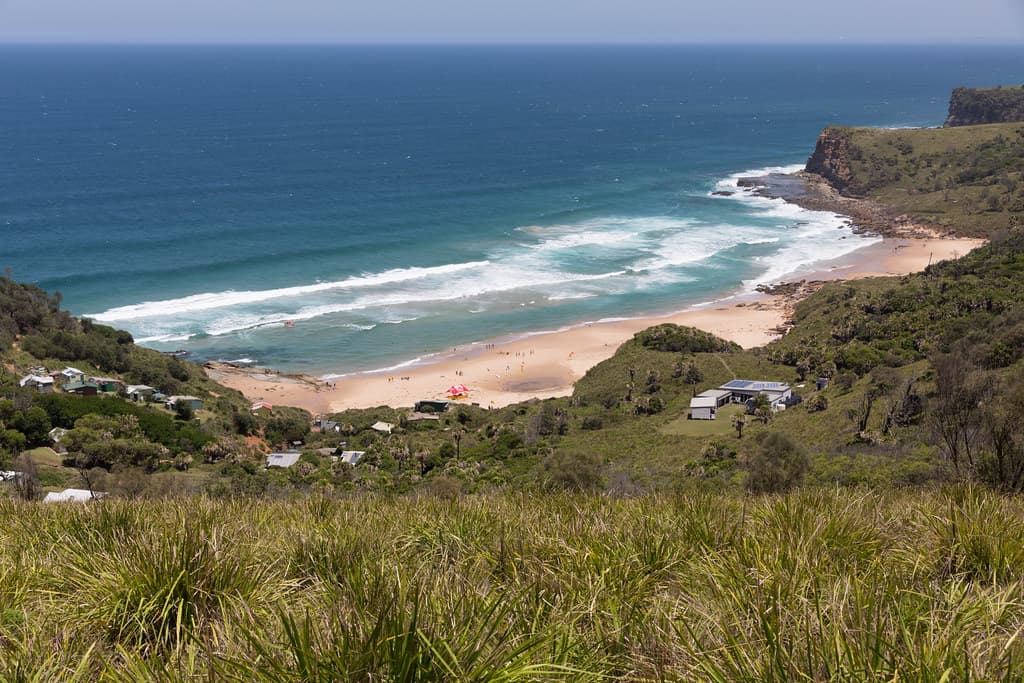
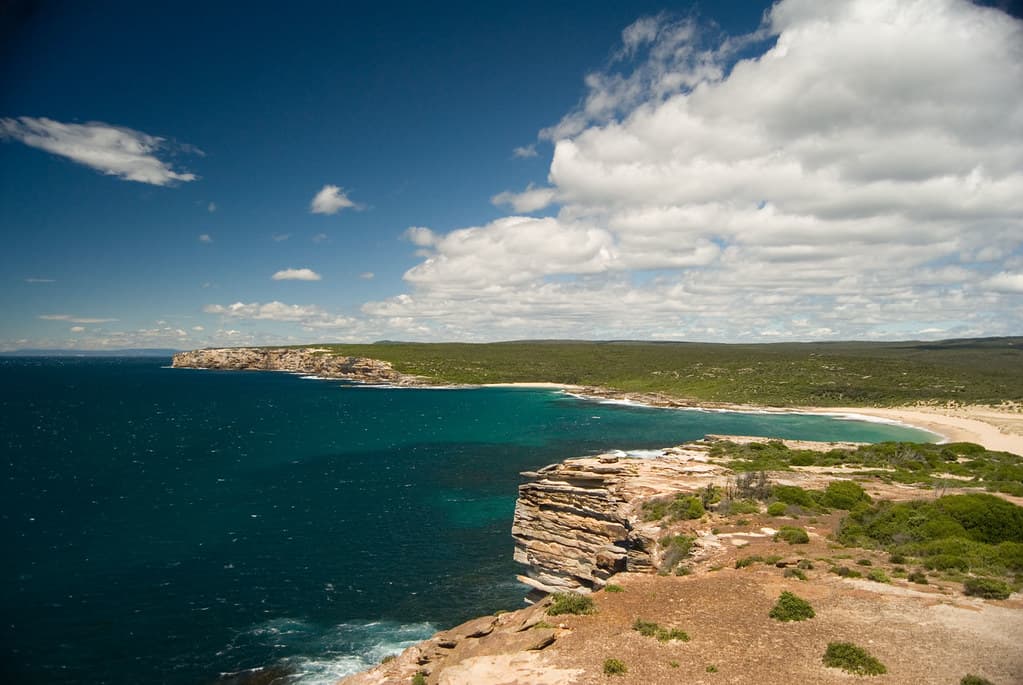
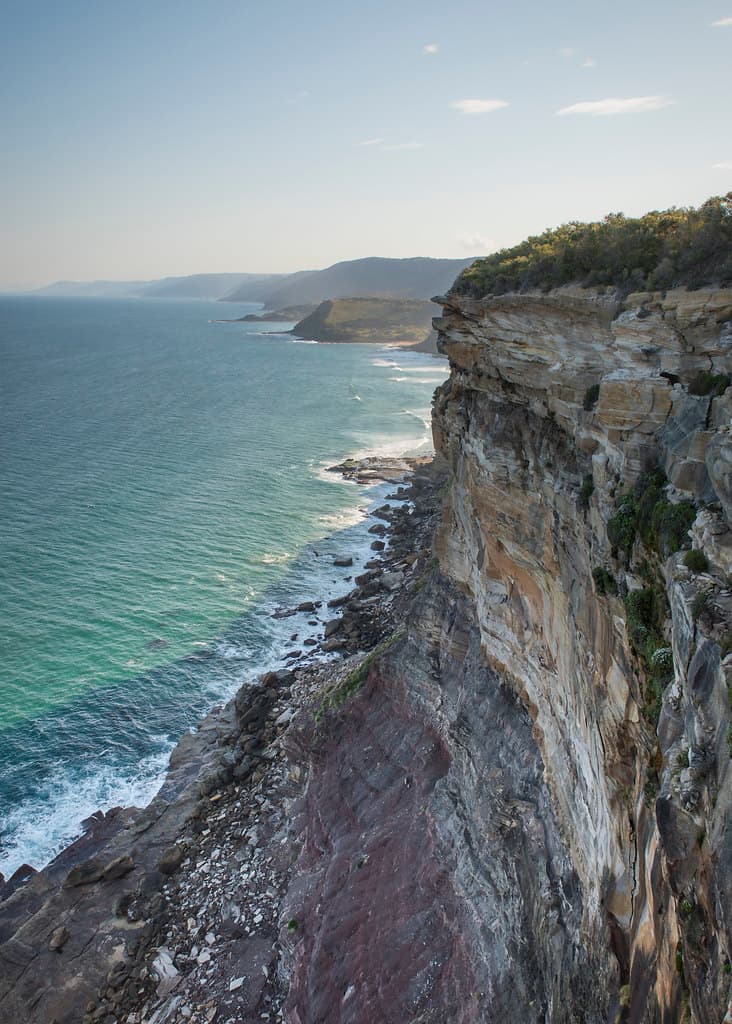
The descent into Garie reveals itself in stages: first the coast road winding past weathered she-oaks, then the glimpse of cobalt water through twisted branches, finally the car park where sand has blown across asphalt and saltbush clings to the dunes. You're forty minutes from suburban Sydney, yet the nearest building is a modest surf club tucked beneath the southern headland. The beach stretches nearly a kilometer, hemmed by rock platforms dark with algae at low tide and headlands that glow amber in late afternoon light. Surfers paddle out near the northern rocks where the swell wraps cleanest; families spread towels closer to the patrol flags where the shore break softens. Behind the beach, a lagoon fed by Garie Creek meanders through ti-tree and reeds—wading depth for children, brackish and tea-colored. What anchors you here isn't just the waves or the walking trails threading into the park's interior. It's the improbable proximity of genuine coastal wilderness to a city of five million. Dolphins surface beyond the break. Eastern water dragons sun themselves on boulders. The afternoon wind carries the scent of honeyed wattle, and when you turn your back to the ocean, there's nothing but bush stretching toward the sandstone plateau—as untamed now as it was when this became the world's second national park in 1879.
Places, rentals, tours and events within walking and driving distance of Garie Beach.
Photos
Garie Beach is primarily a surf beach with strong currents and variable conditions, making it more suitable for experienced swimmers and surfers. The beach is patrolled by lifeguards during summer weekends and school holidays, and you should always swim between the red and yellow flags when they're posted. Rips and shore breaks can be powerful year-round. If you're not a confident swimmer, stick to the shallows when conditions are calm or consider nearby beaches with gentler conditions.
Garie Beach offers year-round appeal, though each season brings different experiences. Summer (December-February) is ideal for swimming and sunbathing, with lifeguard patrols on weekends. Autumn and spring provide milder temperatures perfect for walking and surfing with fewer crowds. Winter delivers consistent surf swells for experienced surfers. Weekdays are generally quieter than weekends. Early mornings offer the best light for photography and wildlife spotting, while avoiding peak-hour crowds from Sydney day-trippers.
Garie Beach is accessed via Garie Road off Sir Bertram Stevens Drive within Royal National Park, approximately 60km south of Sydney's CBD. The drive takes about 90 minutes from central Sydney. A large car park is available near the beach, but note that Royal National Park charges an entry fee (per vehicle, per day). Public transport is limited; you can take the train to Cronulla or Otford, but you'll need to arrange onward transport or undertake a lengthy bushwalk to reach the beach.
Garie Beach has basic amenities including toilets, cold showers, and picnic facilities, but no shops or cafes at the beach itself. The Garie Beach Surf Life Saving Club kiosk operates during summer weekends serving snacks and drinks. Visitors should bring their own food, water, and supplies. The nearest towns with supermarkets and restaurants are Bundeena (limited options) and Cronulla. There's no accommodation directly at Garie Beach, though camping is available at nearby Bonnie Vale Campground within the national park.
Yes, Garie Beach is accessible via several scenic bushwalking trails. The most popular is the spectacular Coast Track, a multi-day hike running from Bundeena to Otford that passes through Garie Beach. Day hikers can tackle sections like the Curracurrong to Garie Beach walk (approximately 3-4 hours one-way). The trails offer stunning coastal views, native bushland, and wildlife encounters. Ensure you carry plenty of water, wear sturdy footwear, and check trail conditions before setting out, as some sections can be challenging.