Counting the waves…
Counting the waves…

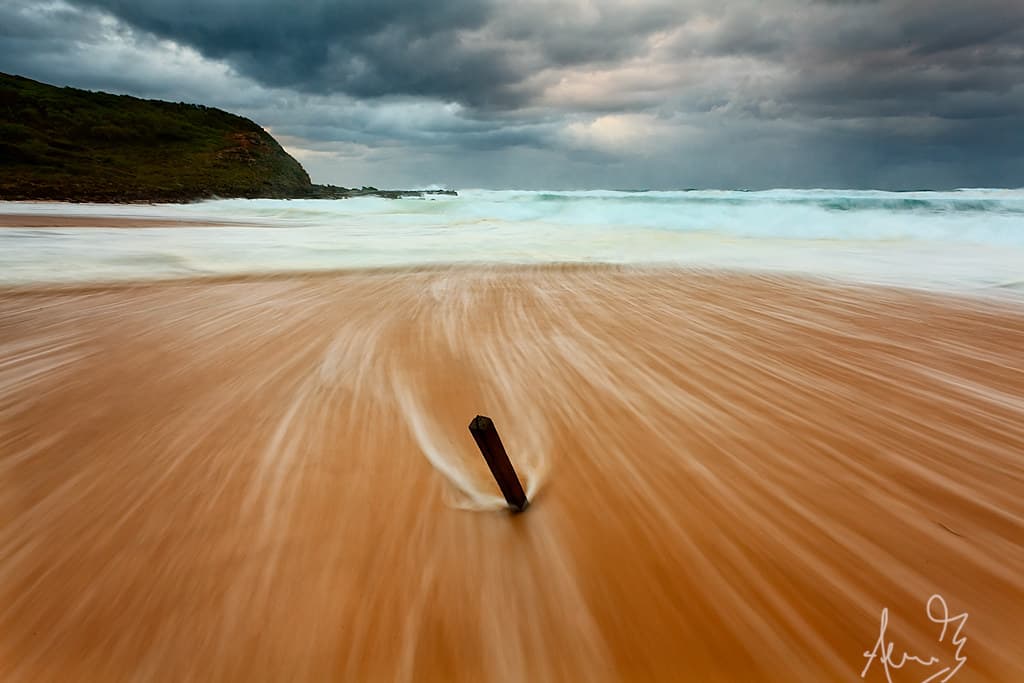
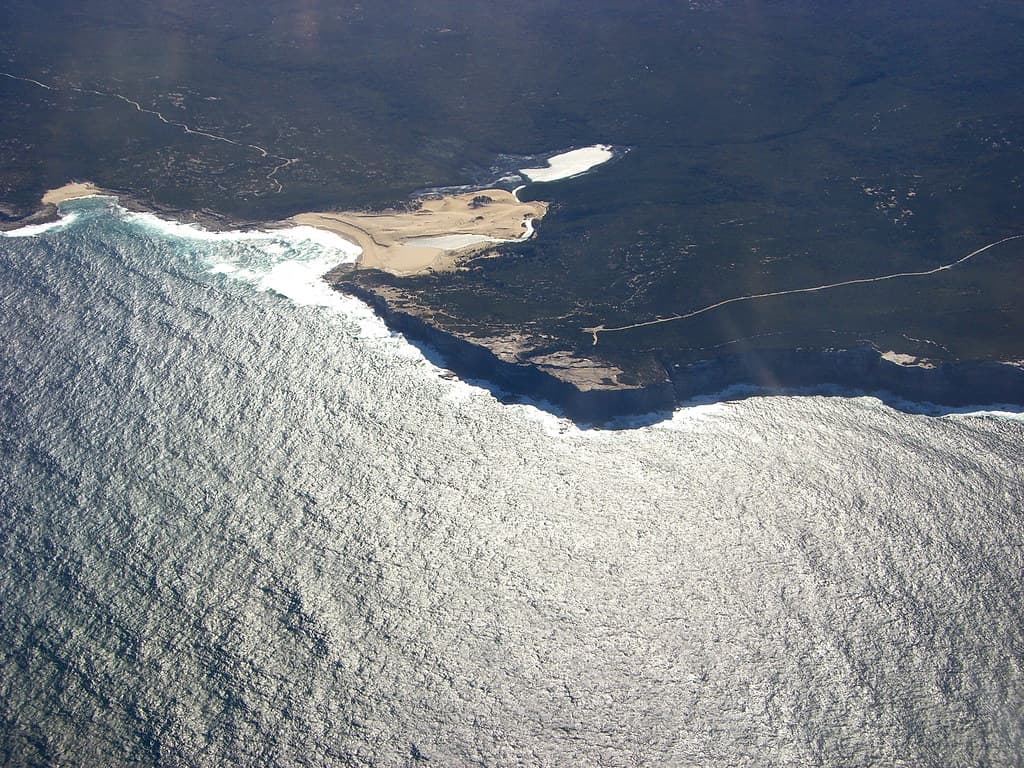
The trail drops 200 meters through Sydney red gum and coastal heath, switchbacking past weathered outcrop until the percussion of surf grows louder than your own breathing. Marley Beach appears all at once: a half-moon cove locked between headlands striped with iron oxide, the kind of amphitheater geology that makes you pause mid-step. Kangaroo grass fringes the dunes; swamp mahogany leans back from the salt wind. There are no bins, no lifeguards, no kiosk selling overpriced sunscreen—just the hiss of waves collapsing over algae-slick boulders. The ocean here runs cold even in summer, fed by southerly currents that polish the pebbles smooth. You'll share the sand with surfers who don't mind the hike and the occasional naturist who's found the southern end. At low tide, rock shelves extend like broken piers, studded with Neptune's necklace and violet-shelled cunjevoi. Bring water, a wide-brim hat, and humility—the climb out is steeper than you remember. Mid-afternoon light turns the cliffs apricot, and if you linger past four, eastern grey kangaroos emerge to graze the heath behind the dunes. The return ascent demands stops, but each switchback offers a wider frame of the Tasman's indigo expanse. By the time you reach the carpark, your legs will ache and your lungs will burn, and you'll already be planning when to come back.
Places, rentals, tours and events within walking and driving distance of Marley Beach.
Photos
Marley Beach is unpatrolled and exposed to powerful ocean swells, making swimming conditions potentially hazardous. Strong currents, rips, and rough surf are common, particularly during winter and after storms. The beach's remote location means emergency assistance is far away. Only confident, experienced ocean swimmers should consider entering the water, and always assess conditions carefully before doing so. Rock pools at the southern end offer safer alternatives for wading. Many visitors prefer to enjoy the beach for its spectacular scenery, bushwalking, and beachcombing rather than swimming.
Marley Beach can be visited year-round, though each season offers different experiences. Spring and autumn provide mild temperatures ideal for the clifftop hike without extreme heat. Summer weekends attract more visitors, but weekdays remain peaceful. Winter offers dramatic seas and whale-watching opportunities (June-November), though the walk can be muddy after rain. Early morning visits any season reward you with fewer crowds and better wildlife spotting. Check weather forecasts before visiting, as the exposed coastal track becomes slippery in wet conditions and offers no shelter from storms.
Marley Beach is accessible only by foot via a scenic coastal walking track. The main starting point is Bundeena, reachable by ferry from Cronulla or by road. From Bundeena, it's a moderate 4.5km one-way hike (approximately 1.5-2 hours) along the Coast Track. Park at the Bundeena Drive car park near the ferry wharf or other designated areas in Bundeena village. The track features some steep sections and uneven terrain, so wear sturdy footwear. There's no vehicle access to the beach itself, contributing to its pristine, uncrowded character.
Marley Beach has no facilities whatsoever—no toilets, shelters, drinking water, or food vendors. It's essential to bring all supplies, including plenty of water, snacks or lunch, and sun protection. Pack out all rubbish, as there are no bins. Nearby Bundeena village, where the walk begins, has cafes, a general store, public toilets, and limited accommodation options. Plan to purchase food and use facilities before starting your hike. The beach's remoteness and lack of amenities are part of its wild appeal, so come prepared for a true wilderness experience.
Wedding Cake Rock is a distinctive white-limestone cliff formation located along the Coast Track near Marley Beach. This Instagram-famous landmark resembles a layered cake jutting over the ocean. However, the platform is highly unstable and dangerously eroded, with significant collapse risk. Access is permanently closed, with fencing installed for visitor safety. You can view it from designated safe lookout areas along the walking track. National Parks authorities enforce strict penalties for trespassing. Visitors should respect closures and enjoy the formation from a safe distance while appreciating the broader coastal scenery.