Counting the waves…
Counting the waves…

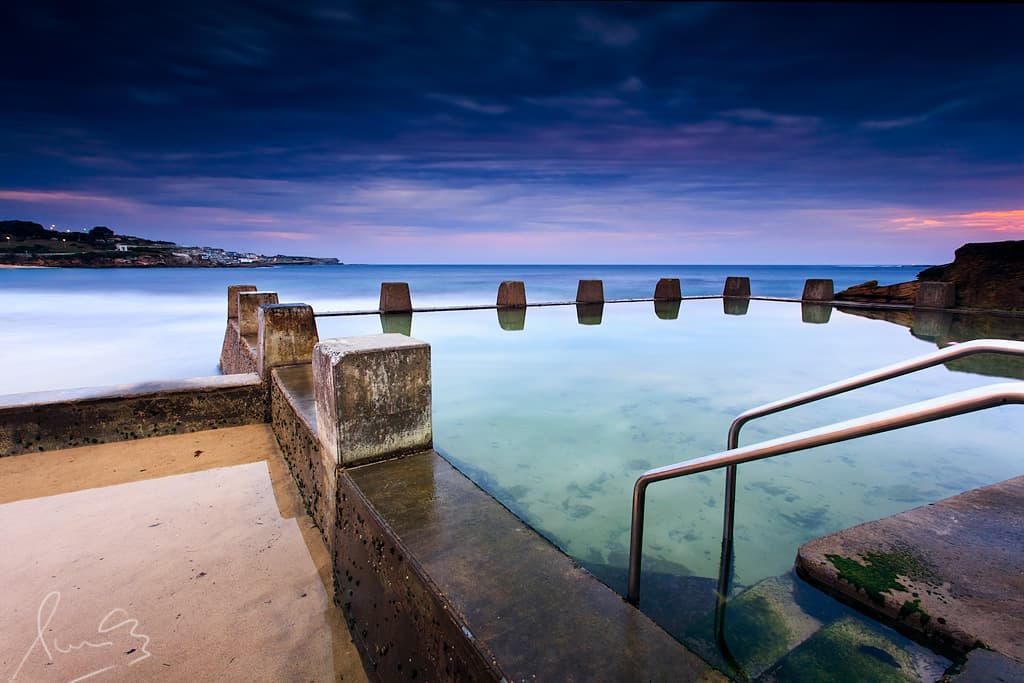
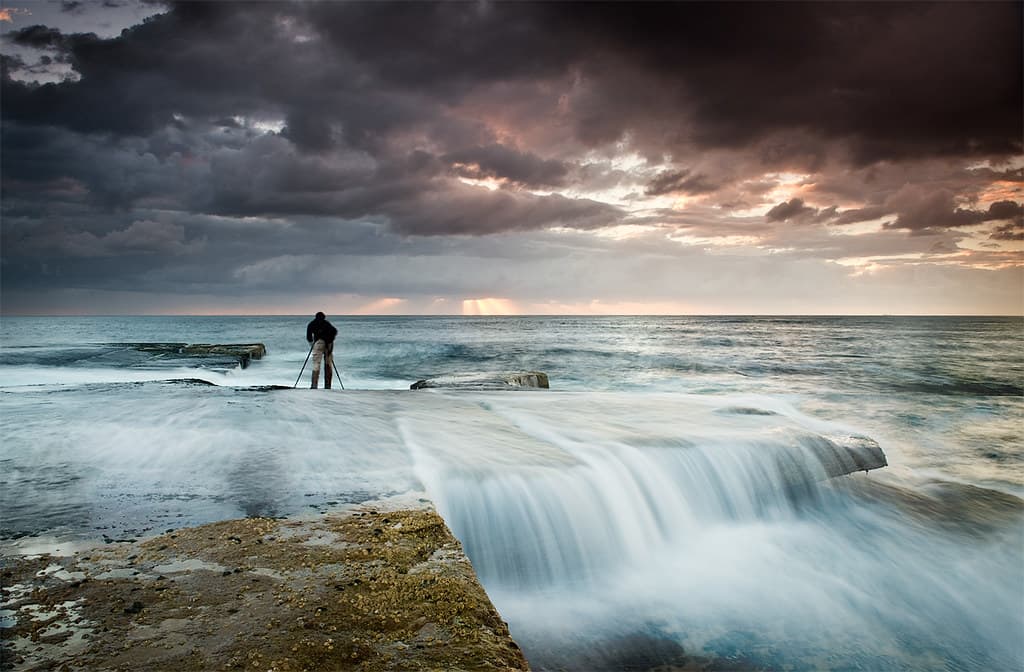
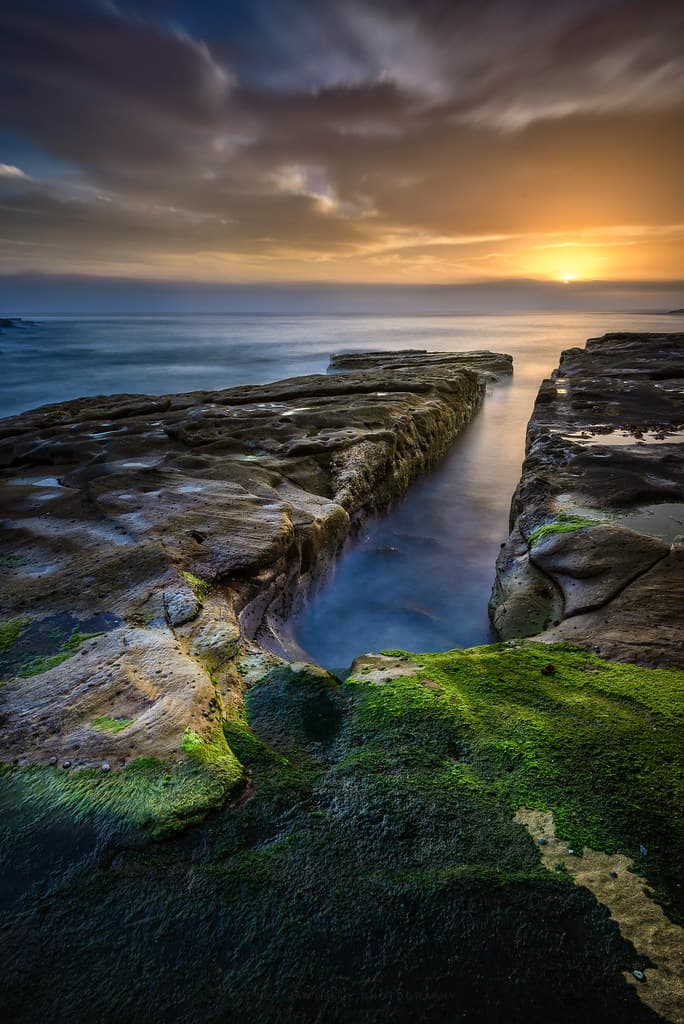
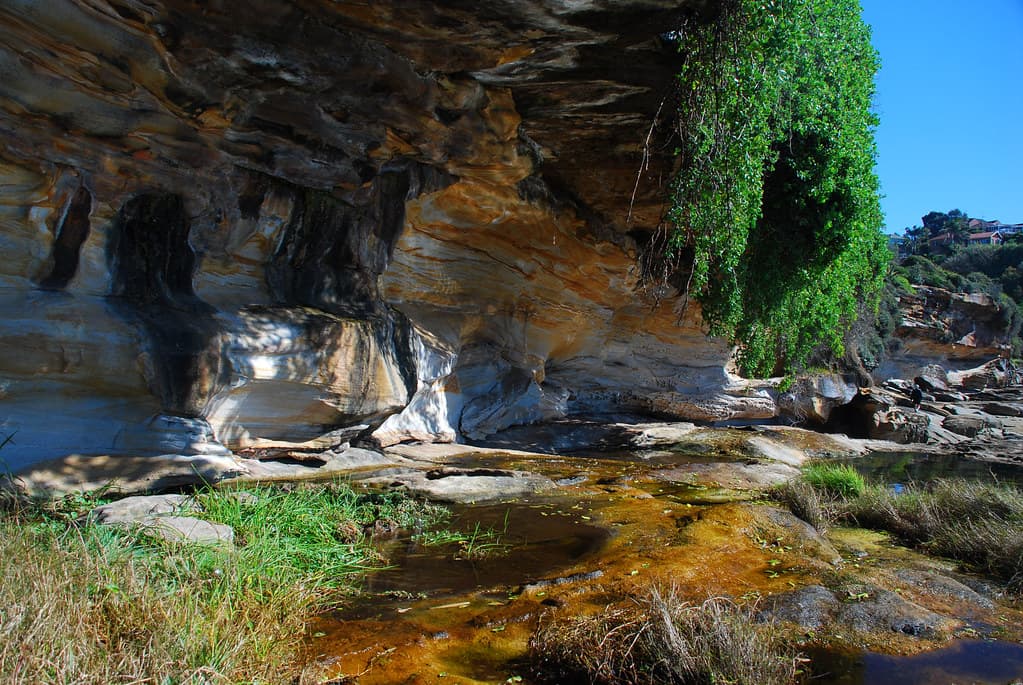
The path down to Lurline Bay curls past coastal banksias and salt-pruned tea trees, their papery bark peeling in the offshore breeze. At the bottom, the beach reveals itself not as a sweep of sand but as a network of tidal platforms and a small crescent of coarse beige grains tucked against ochre cliffs. The water here moves with purpose—swells funnel between rock shelves, filling natural pools that warm under the afternoon sun, then drain in rhythmic pulses that leave sea lettuce draped across the stones. You'll share the space with snorkelers finning along the kelp line and the occasional spearfisher checking the drop-offs. The eastern platform offers the deepest water at high tide, deep enough for a proper swim if you time the swell sets and don't mind the occasional bump of cold upwelling. Families claim the shallower pools where anemones pucker between mussels, and toddlers squat to watch crabs scuttle under ledges. Above the tide line, the sandstone benches provide natural seating with unobstructed views toward Wedding Cake Island and the open Pacific. Bring your own shade—the Norfolk pines that line the coastal walk cast afternoon shadows, but the beach itself bakes under full sun. The lack of facilities and the modest scramble required to reach it keep the crowds at Coogee and Clovelly, leaving Lurline to those who prefer their coastline ungroomed and their ocean entry earned.
Places, rentals, tours and events within walking and driving distance of Lurline Bay Beach.
Photos
Lurline Bay is a sheltered rocky cove with calm waters, making it generally safer than exposed ocean beaches. However, it's not patrolled by lifeguards, so swim at your own risk. The bay features a small sandy pocket beach and rocky platforms popular with snorkelers. Conditions are typically calm, but always check for current ocean conditions and avoid swimming alone. The rocks can be slippery when wet, so wear appropriate footwear. Strong ocean swells can occasionally create hazardous conditions, particularly during winter storms.
Lurline Bay is accessible year-round, with each season offering different appeals. Summer (December-February) is ideal for swimming and snorkeling in warmer waters, though it can get busier on weekends. Autumn and spring provide pleasant temperatures with fewer crowds. Winter brings cooler water but dramatic coastal scenery and good conditions for rock platform exploring during calm days. Early mornings offer the most tranquil experience and best light for photography. Weekdays are significantly quieter than weekends regardless of season.
Lurline Bay is located in South Coogee, accessible via Fancourt Street or Lurline Street. Street parking is available along these residential streets, though spaces are limited and fill quickly on weekends. No dedicated parking lot exists. From the street, follow the pathway down to the bay. Public transport options include buses to nearby Coogee Beach, followed by a 15-20 minute coastal walk south. The beach is also accessible via the scenic Coogee to Maroubra coastal walk, offering spectacular cliff-top views along the way.
Lurline Bay has no commercial facilities, cafes, or amenities directly at the beach—it's a natural, undeveloped cove. There are no toilets, showers, or kiosks on site. Visitors should bring their own food, water, and supplies. The nearest amenities are in Coogee, approximately 1.5 kilometers north, which offers numerous cafes, restaurants, shops, and public facilities. For accommodation, Coogee provides various hotels and rental options. Plan accordingly and take all rubbish with you to preserve this pristine location.
Unlike Sydney's famous surf beaches, Lurline Bay is an intimate rocky cove that remains relatively unknown to tourists. It offers excellent snorkeling opportunities around its rock platforms and calm, protected waters ideal for a peaceful swim. The bay's secluded nature and small sandy pocket create a more private beach experience, particularly appealing to couples and those seeking to escape crowds. The dramatic rock formations and clear waters provide fantastic opportunities for underwater exploration and photography, offering a distinctly different coastal experience from nearby Coogee's sandy expanse.