Counting the waves…
Counting the waves…
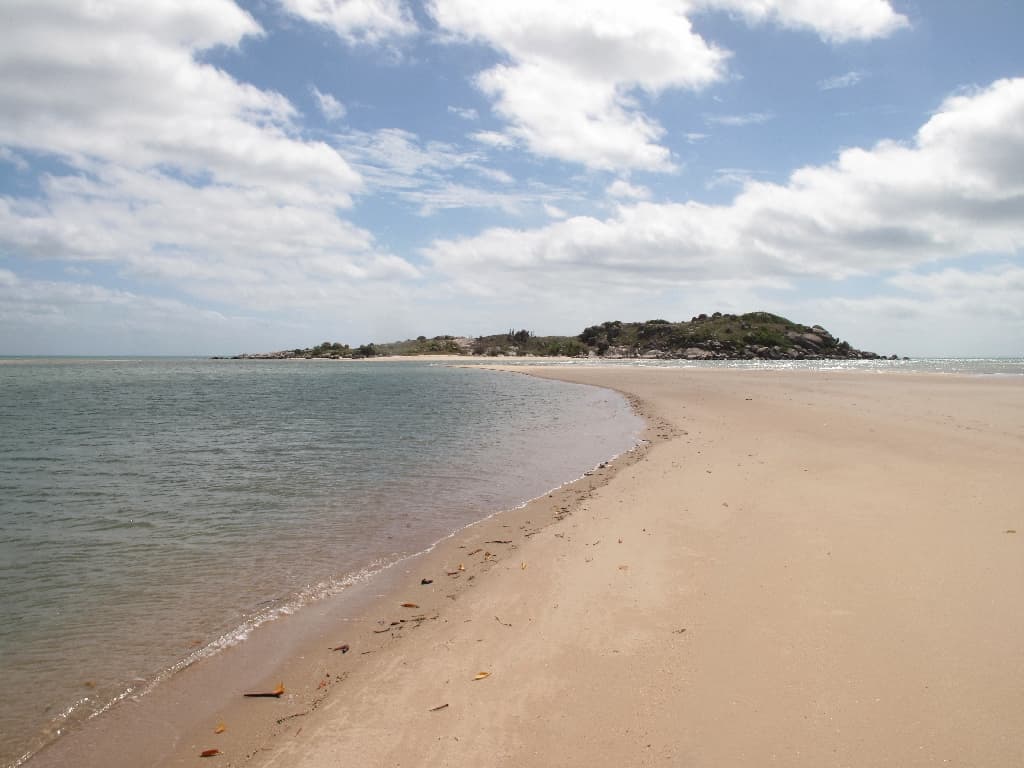
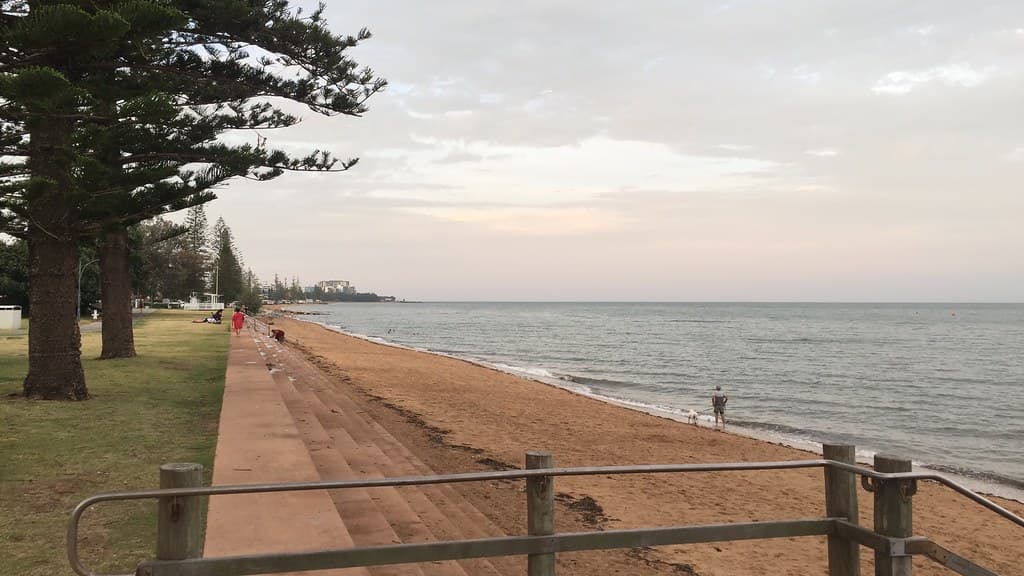
Dhimurru Beach unfolds along Nhulunbuy's eastern edge, where the Northern Territory coastline becomes a study in contrasts: terracotta sand against pale green shallows, dark pandanus shadows pooling beside sun-bleached driftwood. You wade in through bath-warm water that barely reaches your knees twenty meters out, the sandy bottom firm beneath your feet. Families cluster in the shallows, children darting between patches of seagrass while cormorants dry their wings on half-submerged logs. This is Yolŋu country, managed by the Dhimurru Aboriginal Corporation, and you sense the land's cultural weight in the carefully tended access paths and interpretive signage written in both English and Yolŋu Matha. The beach curves in a gentle arc, backed by low dunes and coastal scrub that rustles with honeyeaters. During the Dry—April through October—the humidity drops and the wind steadies, but even in the humid Build-up months the water remains impossibly inviting. You claim a spot beneath a she-oak, its needle-like foliage casting dappled shade across your towel. The nearest neighbor might be fifty meters away; space is abundant here. As the afternoon lengthens, the light turns amber, illuminating the fine particles of iron oxide that give the sand its distinctive hue—a color you'll find clinging to your feet long after you've left.
Places, rentals, tours and events within walking and driving distance of Dhimurru Beach.
Photos
Swimming conditions at Dhimurru Beach vary seasonally. During the dry season (May-October), waters are generally calmer and safer for swimming. However, the wet season (November-April) brings marine stingers, including potentially dangerous box jellyfish, making swimming inadvisable without protective clothing. Saltwater crocodiles inhabit Northern Territory coastal waters year-round, so always observe warning signs and avoid swimming at dawn, dusk, or in murky water. Check with local authorities or your accommodation for current conditions before entering the water.
The dry season from May to October offers the best conditions for visiting Dhimurru Beach. During these months, you'll experience sunny days, minimal rainfall, lower humidity, and reduced marine stinger risk. Temperatures range from 20-32°C (68-90°F), ideal for beach activities. The wet season (November-April) brings heavy rainfall, high humidity, extreme heat, and marine stingers, though the landscape becomes lush and spectacular. For optimal beach enjoyment, plan your visit between May and September when weather is most reliable.
Dhimurru Beach is located in Nhulunbuy, approximately 600km east of Darwin in remote Northeast Arnhem Land. Access requires a permit from the Northern Land Council as it's on Aboriginal land. Most visitors fly to Nhulunbuy Airport (Gove Airport), then drive or arrange local transport to the beach. Once in Nhulunbuy, the beach is accessible by local roads with parking available near beach access points. Due to permit requirements and remote location, plan ahead and arrange necessary documentation before travelling.
Nhulunbuy township, servicing Dhimurru Beach, offers several accommodation options including hotels, motels, and caravan parks, though choices are limited compared to major centres. The town has a shopping centre with supermarkets where you can purchase supplies for beach picnics. Several cafes and restaurants serve meals, primarily in the town centre. Given the remote location, booking accommodation well in advance is recommended, especially during peak dry season. Most amenities are found in town rather than directly at the beach itself.
Yes, Dhimurru Beach is located within Arnhem Land, Aboriginal land managed by the Dhimurru Aboriginal Corporation. Visitors require a recreation permit from the Northern Land Council or through Dhimurru. Permits typically take several weeks to process, so apply well before your planned visit. The permit system protects sacred Indigenous sites and manages visitor numbers. Nhulunbuy township residents and workers often have different access arrangements. Check current permit requirements and application processes through official channels, as regulations help preserve this culturally significant area.