Counting the wavesβ¦

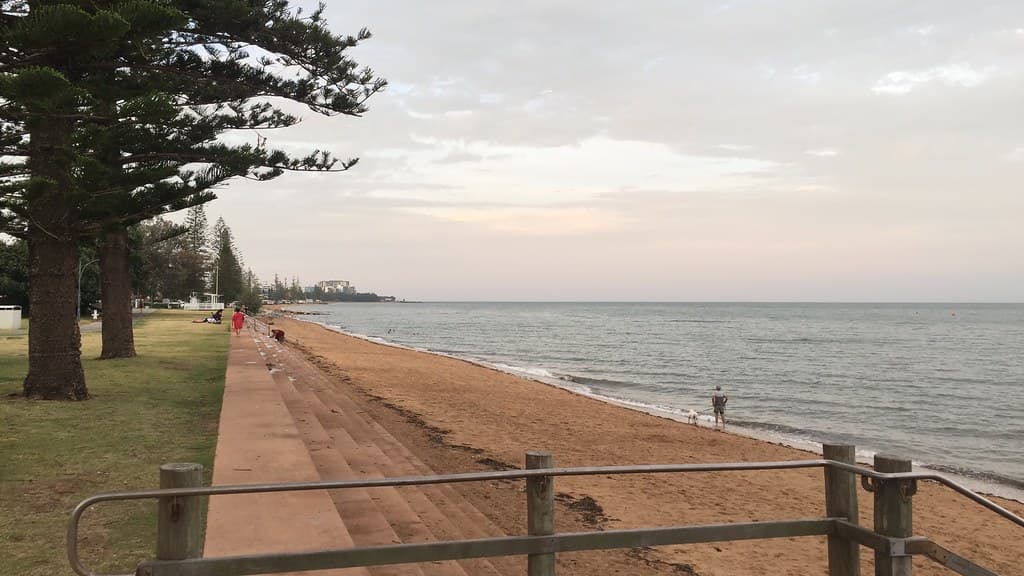
You arrive at Nhulunbuy Beach knowing you've ventured somewhere few travelers stumble upon by accident. The sand stretches pale and fine beneath your feet, bordered by low scrub and the russet earth that defines Arnhem Land. When the tide withdraws, shallow lagoons catch the light, turning amber in the late afternoon. The Gulf water is bath-warm year-round, gentle enough for children to wade while adults float on their backs, watching white egrets stalk the shallows. This is not a beach engineered for convenience. There are no vendors hawking coconuts, no jet skis carving figure-eights offshore. Instead, you'll hear the rhythmic shush of small waves, the occasional cry of a sea eagle, the rustle of casuarina trees bending in the breeze. Families spread picnic blankets on the upper beach; couples walk the tideline collecting shells worn smooth by centuries of current. The remoteness is the point. Nhulunbuy sits at the northeastern tip of the Northern Territory, accessible by a flight into the bauxite-mining town or a long drive on sealed roads that peter out into red dirt. Once you're here, the isolation transforms from obstacle into assetβa place where your phone stays silent in your bag and the horizon stretches unbroken, reminding you what stillness actually sounds like.
Places, rentals, tours and events within walking and driving distance of Nhulunbuy Beach.
Photos
Nhulunbuy Beach is in crocodile habitat, so swimming is generally not recommended, especially during the wet season (November to April) when saltwater crocodiles are more active. Box jellyfish are also present in Northern Territory waters during the wet season. Always check local signage and consult with locals or your accommodation before entering the water. The beach is better suited for walking, beachcombing, and enjoying the scenic coastline. If you wish to swim, inquire about designated safe swimming areas or facilities with appropriate barriers.
The dry season (May to October) is the best time to visit Nhulunbuy Beach, offering comfortable temperatures, lower humidity, and minimal rainfall. During these months, you'll enjoy clear skies and pleasant conditions for beach walks and photography. The wet season (November to April) brings heavy rains, high humidity, and extreme heat, though the landscape becomes lush and dramatic. Wildlife hazards including crocodiles and jellyfish are more prevalent during the wet season, making the dry season preferable for most visitors seeking relaxation and safety.
Nhulunbuy is located in northeast Arnhem Land and requires a permit to visit, as it's on Aboriginal land. Access is primarily by air via Nhulunbuy Airport from Darwin or Cairns. Once in town, Nhulunbuy Beach is easily accessible by car, with local roads leading to various beach access points. Limited parking is typically available near beach areas. Note that exploring Arnhem Land requires advance planning and obtaining the necessary permits through the Northern Land Council, which should be arranged well before your trip.
Nhulunbuy is a small mining town with basic amenities including a shopping centre, supermarket, and a few dining options serving casual meals. Accommodation is limited and includes the Walkabout Lodge and Gove Boat Club, which offers rooms and meals. Some holiday rentals may also be available. Due to limited options, it's advisable to book accommodation well in advance. For supplies, stock up at the local supermarket, as choices are more limited than in larger cities. The town caters primarily to workers and residents, so don't expect extensive tourist facilities.
Yes, you need a permit to visit Nhulunbuy and its beaches, as the area is part of Arnhem Land, which is Aboriginal land. Permits are issued by the Northern Land Council and must be obtained before travel. The application process can take several weeks, so plan well ahead. While the township of Nhulunbuy itself may have different access arrangements for certain visitors, it's essential to confirm current permit requirements before booking your trip. Respect local customs and restrictions, as this is culturally significant land with sacred sites.