Counting the waves…
Counting the waves…

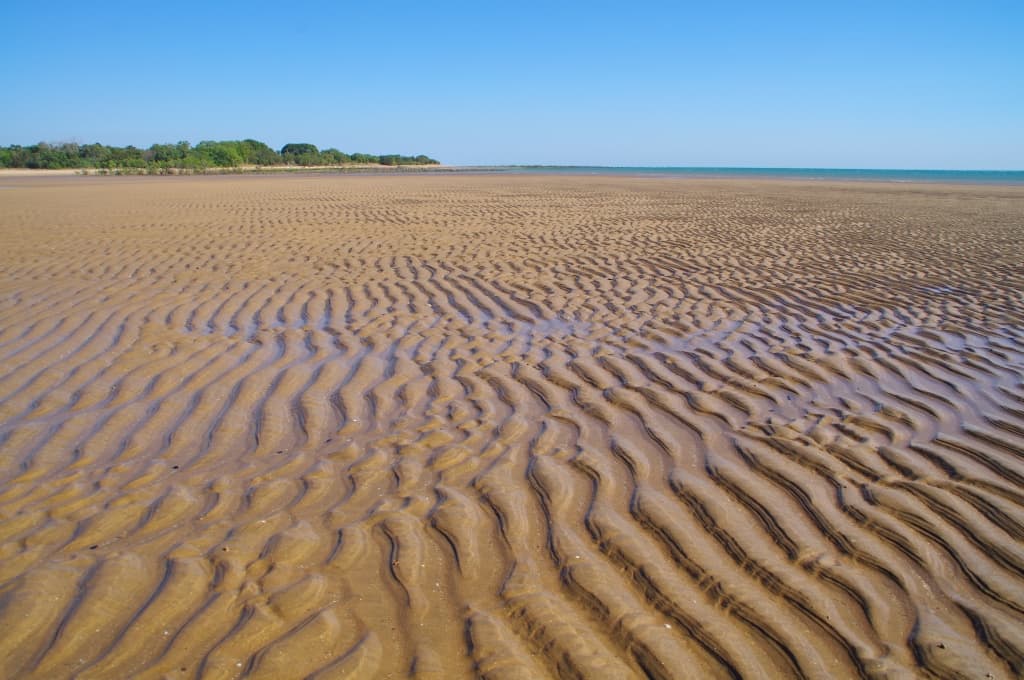
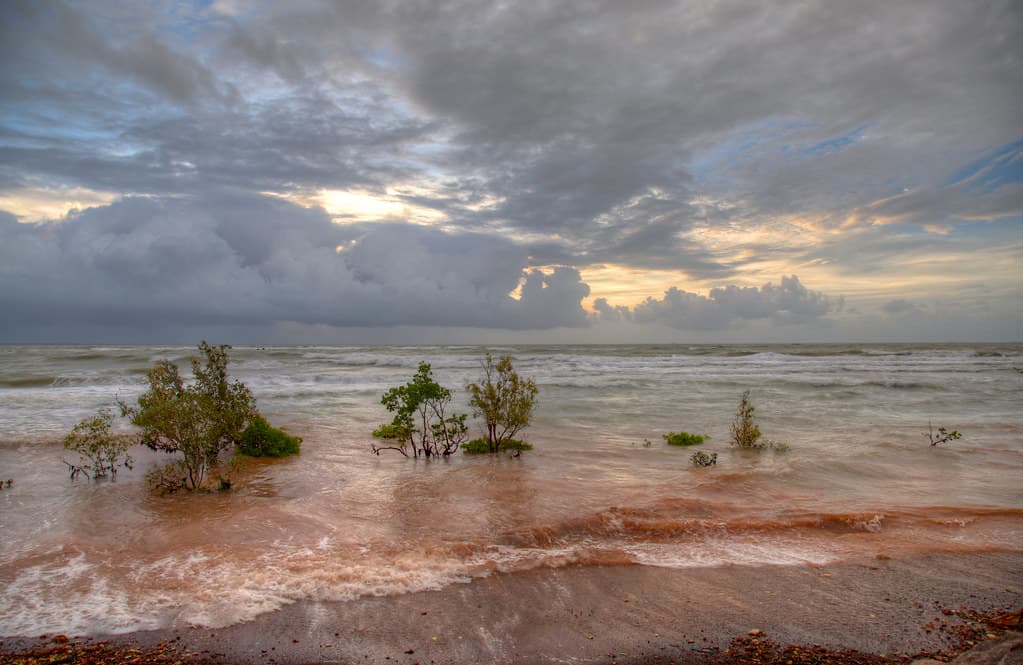
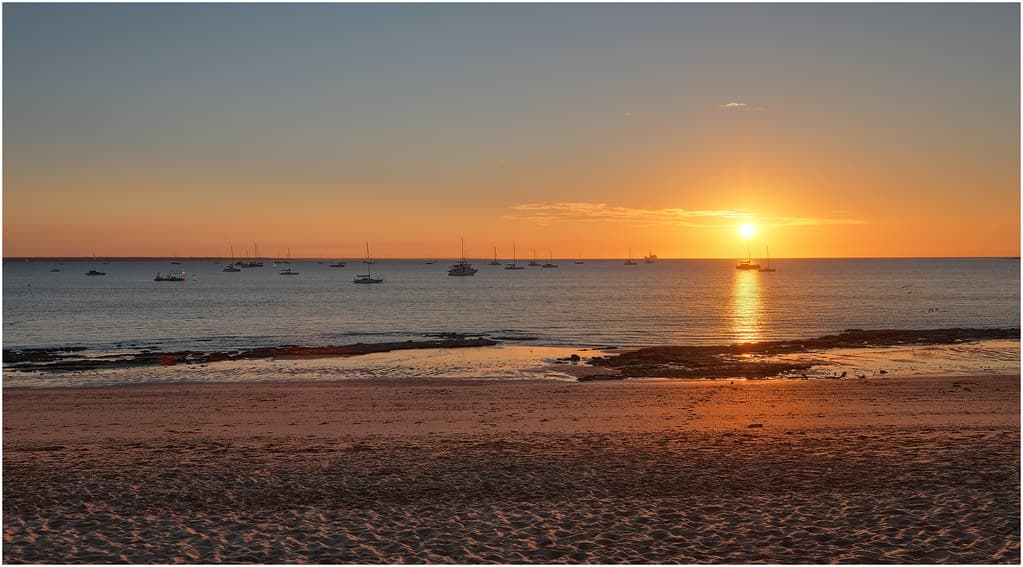
The sand beneath your feet is the colour of burnt sienna, stained by the ancient laterite soils that bleed into the Arafura Sea during the wet season. You'll notice the quiet first—no beach vendors, no jet skis, just the rhythmic breath of small waves and the occasional call of a sea eagle overhead. Wadeye Beach sits within the cultural heartland of the Yolngu people, and that deep connection to country permeates everything: the undisturbed dunes, the mangrove fingers reaching into tidal flats, the sense that you're a guest rather than a conqueror. The water stays bath-warm throughout the year, though the build-up months before the wet bring electric humidity that clings to your skin. You'll wade out slowly across gentle gradients, watching for stingrays shuffling in the shallows. Bring your own shade—natural cover is sparse along the open beach, though paperbarks cluster near the high-tide mark. Timing matters less here than mindset. You'll need patience for the two-hour drive from Nhulunbuy, resilience for basic facilities, and respect for the cultural protocols that govern access to Arnhem Land. What you gain is rarer: a coastline that still feels like a secret, where your footprints might be the only ones between tides, and the horizon stretches uninterrupted until it dissolves into the haze of the Timor Sea.
Places, rentals, tours and events within walking and driving distance of Wadeye Beach.
Photos
Northern Territory beaches require caution year-round due to marine stingers (box jellyfish and Irukandji) during the wet season (October-May) and the presence of saltwater crocodiles in coastal waters. Swimming is generally not recommended without local advice. Always check with local authorities or your accommodation about current conditions before entering the water. If you do swim, wear protective stinger suits during stinger season and never swim alone, at dawn, dusk, or night when crocodiles are most active.
The dry season (May to September) offers the most comfortable conditions with clear skies, lower humidity, and temperatures ranging from 20-30°C (68-86°F). This period provides ideal beach weather with minimal rainfall. The wet season (October-April) brings high humidity, heavy downpours, and extreme heat, though landscapes are lush. However, marine stingers are prevalent during these months. For the best overall experience combining pleasant weather and safer conditions, plan your visit between May and September.
Access to remote Northern Territory beaches typically requires a 4WD vehicle, especially during the wet season when roads can become impassable. Check local road conditions before travelling and inform someone of your plans. Parking arrangements vary at remote beaches and may be informal. It's essential to consult with local tourism offices, your accommodation provider, or community councils in the area for specific directions, current road conditions, and any permits required for access to ensure you're prepared for the journey.
Remote Northern Territory locations typically have limited facilities. Amenities depend on the nearest community, which may offer basic supplies, fuel, and possibly simple accommodation options. It's strongly recommended to bring your own food, water, and supplies for beach visits. Plan ahead by stocking up in larger towns and carrying emergency provisions. Contact local community councils or Northern Territory tourism offices in advance to understand what services are available and whether any cultural protocols or permissions are needed before visiting.
Northern Territory beaches offer opportunities to observe diverse wildlife including shorebirds, sea turtles (during nesting season), and various marine life in tidal areas. However, this also means potentially dangerous wildlife like saltwater crocodiles inhabit coastal waters and shorelines. Maintain a safe distance from all wildlife, never approach or feed animals, and stay alert, especially near water's edge and mangroves. Birdwatching can be excellent during migration periods. Always prioritize safety and respect for wildlife in these pristine natural environments.