Counting the waves…
Counting the waves…

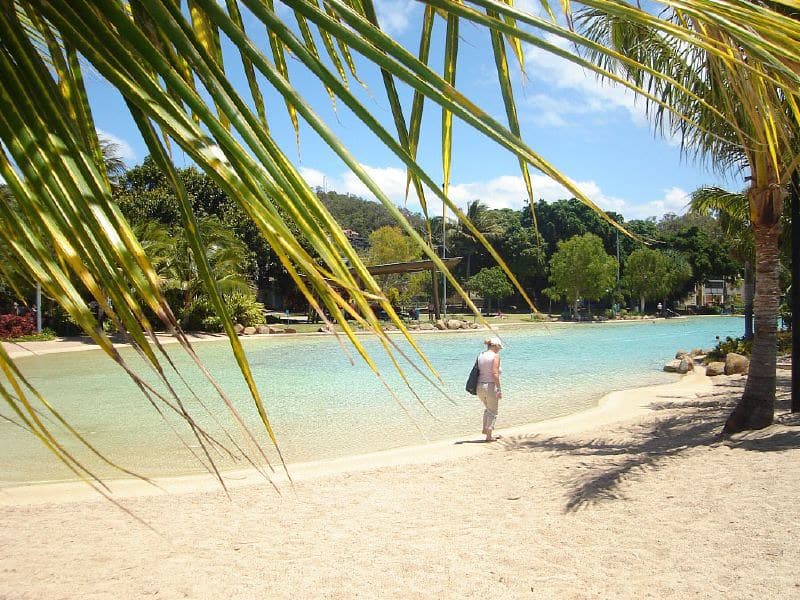
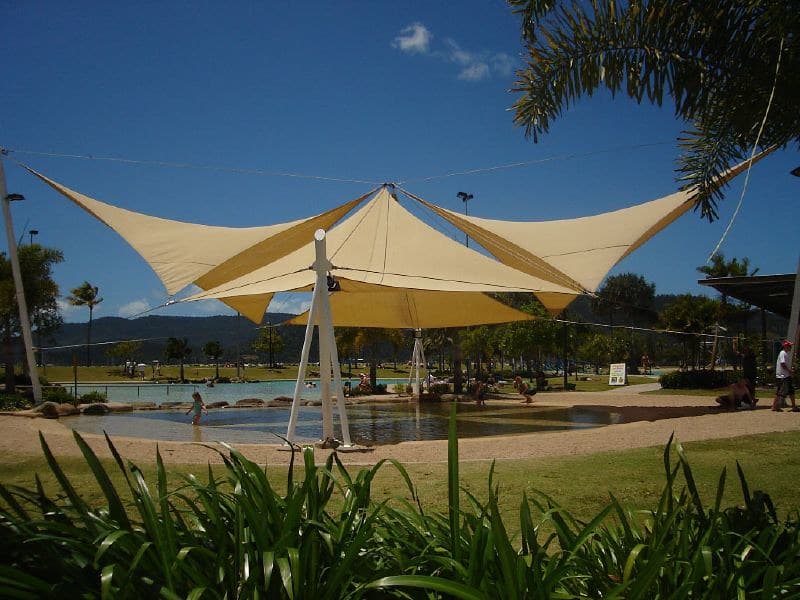
Airlie Beach built its lagoon in 2001 not as luxury amenity but necessity: box jellyfish and irukandji make the actual shoreline a gamble half the year, and the mudflats at low tide offer little appeal. The result is a 4,000-square-metre free-entry pool that curves along the esplanade, shallow enough for toddlers at one end, deep enough for proper swimming at the other. Timber decking wraps the perimeter; Moreton Bay figs shade the adjoining lawn. You'll see families picnicking at sunrise, tour groups killing time before their Whitehaven departures, and tanned twenty-somethings nursing hangovers on the grass. The lagoon sits at the centre of everything—marina berths to the north, backpacker hostels stacked up the hill behind, cafés spilling onto the footpath. It's less a beach than an open-air living room for a town that exists to funnel visitors toward the reef and islands offshore. You won't find solitude, but you will find barbecue grills, free Wi-Fi near the playground, and water that stays swimmable regardless of tide, moon phase, or stinger season. Come at dawn before the tour buses idle along Shute Harbour Road, and you'll have the lanes nearly to yourself, the water still cool, the Whitsunday peaks catching first light across the channel. By afternoon the lagoon hums—kids shrieking off the shallow end, backpackers comparing snorkel tours, someone's Bluetooth speaker leaking reggae. It's chaotic, functional, and entirely honest about what it is: the town pool that happens to overlook some of the best sailing waters in the Southern Hemisphere.
Places, rentals, tours and events within walking and driving distance of Airlie Beach Lagoon Beach.
Photos
Yes, the Airlie Beach Lagoon is extremely safe for swimming. This free, artificial lagoon was built specifically because the ocean waters contain dangerous jellyfish (particularly box jellyfish and irukandji) from November to May. The lagoon is chlorinated, lifeguard-patrolled during opening hours, and contains no marine stingers. It's open daily from dawn to dusk and features shallow areas perfect for children. Ocean swimming at nearby beaches requires stinger suits during jellyfish season and awareness of currents.
Airlie Beach Lagoon is enjoyable year-round due to Queensland's tropical climate. Peak season runs May through September, offering warm, dry days (20-28°C) with minimal rainfall and no jellyfish concerns for ocean activities. November through April brings higher humidity, afternoon storms, and ocean stinger season—making the lagoon particularly valuable. The lagoon remains pleasant during these wetter months with temperatures around 25-31°C. Weekdays are quieter than weekends, and mornings offer the calmest atmosphere before afternoon crowds arrive.
Parking is available along the Airlie Beach foreshore with several options. The Shingley Drive car park adjacent to the lagoon offers metered parking and some free spaces (check signage for time limits). Additional street parking is available on surrounding roads, though spaces fill quickly during peak season and weekends. Most parking has a 2-4 hour limit. If staying overnight, many hotels and resorts within walking distance offer guest parking. The town centre is compact, so most accommodations are within 5-10 minutes' walk of the lagoon.
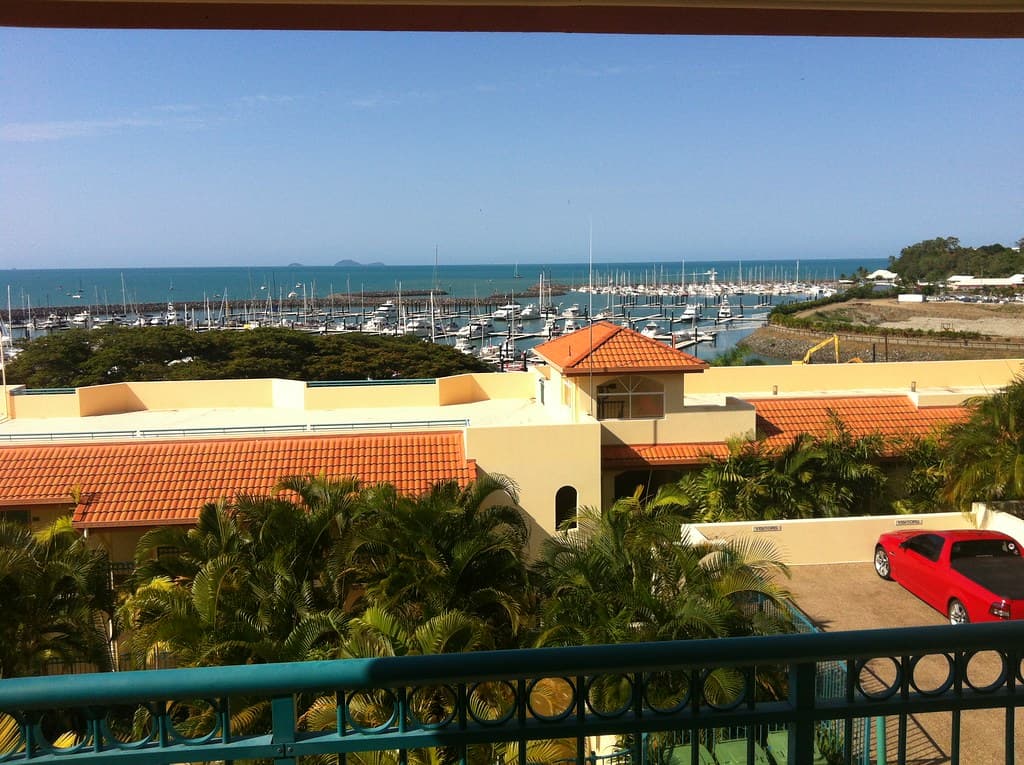
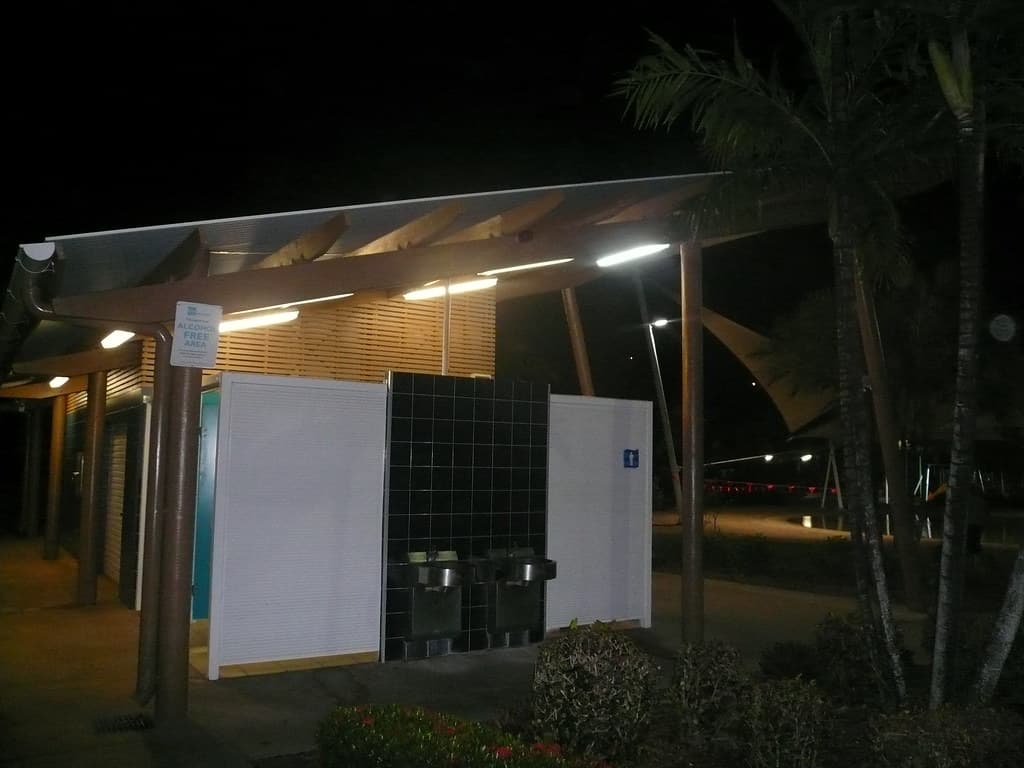
The lagoon precinct offers excellent facilities including free BBQ areas, picnic tables, public toilets, and showers. Surrounding parkland provides shaded seating and grassy areas. Cafés, restaurants, and takeaway shops line the adjacent esplanade, offering everything from casual fish and chips to fine dining with ocean views. The main street (Shute Harbour Road) is one block back, featuring supermarkets, bakeries, and more dining options. Accommodations range from backpacker hostels to luxury resorts, most within walking distance of the lagoon and waterfront.
The lagoon was constructed as a safe swimming alternative because Airlie Beach's ocean waters contain potentially deadly jellyfish, particularly during stinger season (November-May). Box jellyfish and tiny irukandji jellyfish make unprotected ocean swimming dangerous during these months. The free, public lagoon opened in 2000, transforming Airlie Beach into a year-round swimming destination. Its design includes a sandy beach area, shallow children's zone, and deeper swimming section. This innovation has become a tourism drawcard, allowing safe swimming regardless of marine conditions.