Counting the wavesβ¦

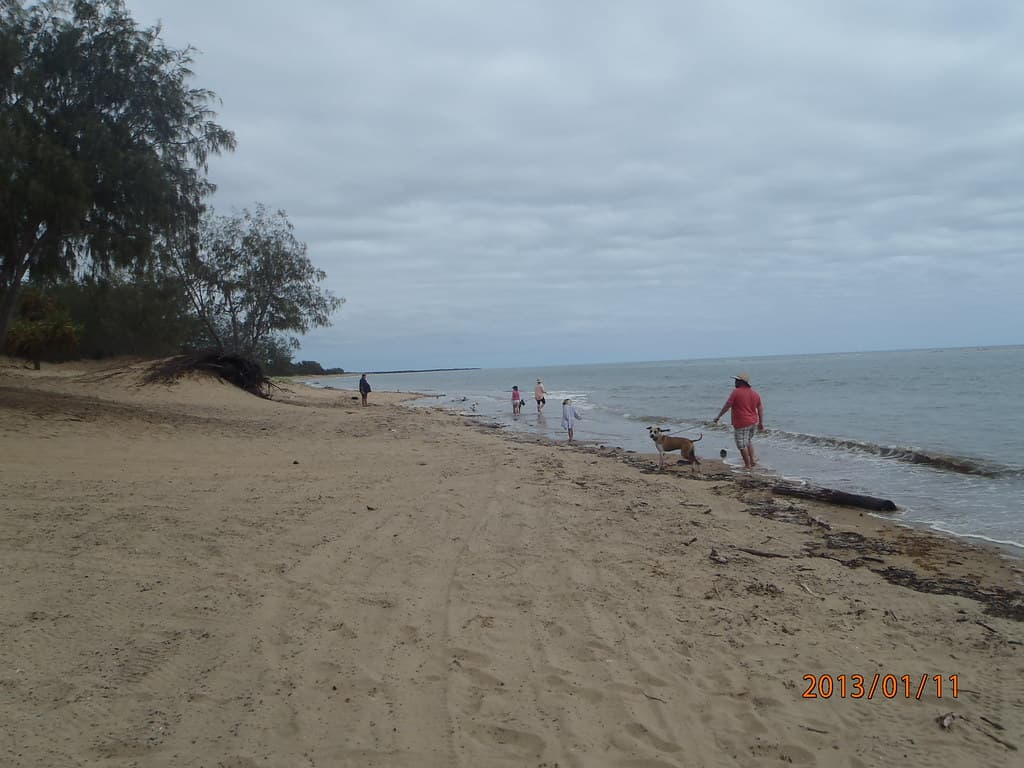
The barrier beach at Plantation Creek doesn't perform for crowds. Instead, it conducts a quiet lesson in sediment transport, tidal flux, and the collaboration between fresh water and saltwater. You'll walk along sand tongues that weren't there last month, threading between the creek's braided channels as they empty into the Coral Sea. Terns and oystercatchers work the mudflats, probing for soldier crabs while you trace the high-water wrack lineβa ribbon of seagrass, driftwood, and pumice that maps the last king tide. This is the Burdekin Coast stripped of polish: no lifeguard towers, no gelato stands, just the mechanics of a living shoreline. The creek mouth migrates seasonally, pushed north or south by longshore drift, and after heavy rain the water runs tea-dark with tannins from upstream paperbarks. You might share the sand with a lone fisherman casting for bream, but more often you'll have only your footprints. Timing matters less here than curiosity. Low tide exposes sandbars you can wade to; high tide presses the sea against the vegetated dune scarp. Bring water, shade, and boots that handle both wet sand and ankle-deep creek crossings. The beach teaches you to read landscapes in flux, where the map redraws itself and the coast remains a work in progress.
Places, rentals, tours and events within walking and driving distance of Plantation Creek.
Photos
Swimming conditions at Plantation Creek Beach vary depending on tides, currents, and weather. As a dynamic barrier beach near a creek mouth, water conditions can change quickly, with stronger currents possible during tidal flows. There are no lifeguard patrols or stinger nets, so swimmers should exercise caution year-round. Check local conditions before entering the water, avoid swimming near the creek mouth where currents are stronger, and be aware of marine stingers during warmer months (November to May). Always swim with others and stay within your depth.
Plantation Creek Beach can be visited year-round, with each season offering different experiences. Winter months (June to August) provide cooler, drier weather ideal for beach walks and birdwatching, with temperatures around 20-25Β°C. Summer (December to February) brings warmer conditions perfect for swimming, though tropical rain and humidity increase. The shoulder seasons of autumn and spring offer pleasant weather with fewer crowds. Early morning and late afternoon visits provide the best light for photography and wildlife spotting along this scenic coastal area.
Plantation Creek Beach is located near Alva in Queensland's Capricorn region. Access typically involves driving along local roads toward the Plantation Creek area, though exact access points can be limited as this is a more remote coastal location. Visitors should check with local tourism offices or councils for current access routes and parking availability, as facilities may be minimal. A four-wheel-drive vehicle may be advantageous depending on conditions. Always ensure you have adequate fuel, water, and supplies before travelling to this relatively isolated beach.
Plantation Creek Beach is a remote location with limited facilities directly on-site. Visitors should bring their own food, water, and supplies for the day. The nearest towns with shops, restaurants, and accommodation options are likely Rockhampton or Yeppoon, which offer a full range of services including supermarkets, cafes, and hotels. For those seeking a more secluded experience, checking for local camping options or holiday rentals in nearby coastal communities may be worthwhile. Always plan ahead and pack essentials when visiting this hidden beach.
Plantation Creek Beach is notable for its dynamic barrier beach formation at the creek mouth, creating a constantly evolving coastal landscape shaped by tides, currents, and sediment movement. This natural process makes each visit unique, as sandbars and beach profiles shift over time. The interaction between creek outflow and ocean tides supports diverse coastal ecosystems, making it excellent for observing natural coastal processes and birdlife. This geological feature provides insight into how barrier beaches function as protective buffers, offering educational value alongside scenic beauty for nature enthusiasts.