Counting the waves…
Counting the waves…

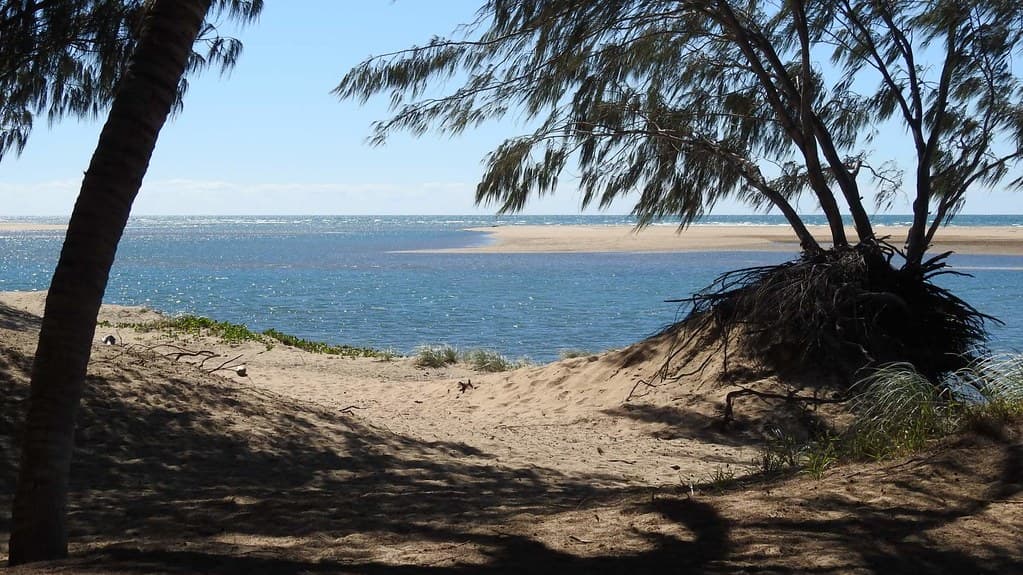
Alva Beach curves along the Burdekin Coast like a question mark laid on its side, four kilometers of tawny sand backed by she-oak windbreaks and picnic tables that smell faintly of zinc and charcoal. You'll drive through cane fields so green they hurt your eyes, then arrive at a beachfront where the reef-protected shallows glow turquoise against deeper navy channels. Families spread towels near the playground; surfers wax boards by their utes. The foreshore park runs the beach's length, a ribbon of mown grass dotted with shelters where ceiling fans spin lazily above concrete tables. Ibis stalk the bins. The smell of onions frying on public barbecues mixes with salt air, and by late afternoon, the western light turns everything amber—the sand, the water, the wind-bent palms. This is the beach locals mention when outsiders ask where to swim in the Burdekin. The jetty stretches into deeper water where bream school beneath barnacled pylons. At low tide, the sand firms into a runway; at high, the shore break builds enough punch to knock over toddlers. You'll leave with sand in your eyelashes and the particular ache that comes from a day spent squinting at the Pacific.
Places, rentals, tours and events within walking and driving distance of Alva Beach.
Photos
Alva Beach is generally safe for swimming, though conditions vary with weather and tides. The beach is not patrolled by lifeguards, so swim at your own risk and stay close to shore. During summer months (November to May), marine stingers including box jellyfish may be present in tropical Queensland waters, so wearing protective clothing is advisable. Check local conditions before entering the water, avoid swimming alone, and be aware of rips and currents, particularly after storms or during strong winds.
Alva Beach can be enjoyed year-round due to Queensland's pleasant climate. Winter months (May to September) offer warm, dry days with temperatures around 20-26°C, ideal for beach activities without extreme heat. Summer (December to February) brings hotter weather and occasional tropical rain, plus spectacular sunsets. The shoulder seasons of April-May and September-October provide excellent conditions with fewer crowds. For surfing, winter swells typically bring better waves, while calmer summer waters suit families with young children.
Alva Beach is located approximately 15 kilometres northeast of Ayr in North Queensland. From Ayr, follow the sealed Alva Beach Road directly to the coast—the drive takes about 15-20 minutes. The beach has free parking areas near the foreshore, including spaces close to the main beach access points and picnic areas. The road is suitable for all vehicles including caravans. There is no public transport to Alva Beach, so you'll need your own vehicle or a taxi from Ayr.
Alva Beach has basic amenities including public toilets, picnic shelters, and barbecue facilities near the foreshore, but no restaurants or cafes directly at the beach. The nearby town of Ayr (15km away) offers supermarkets, cafes, restaurants, and takeaway options for provisioning. Accommodation options in Ayr include motels, hotels, and caravan parks. Some visitors stay in Townsville (90km south) which has wider accommodation choices. The beach facilities make it ideal for self-catered day trips with packed meals and picnics.
Alva Beach is renowned throughout the Burdekin region for spectacular sunset views over the Coral Sea. The beach's eastern-facing location with wide, unobstructed horizons creates ideal conditions for watching the sun set over the water, painting the sky in vibrant colours that reflect off the wet sand at low tide. The long, flat foreshore provides excellent vantage points along the entire beach. Many locals and visitors specifically time their visits for late afternoon to capture photographs and enjoy the tranquil evening atmosphere that's made Alva Beach a sunset destination.