Counting the waves…
Counting the waves…

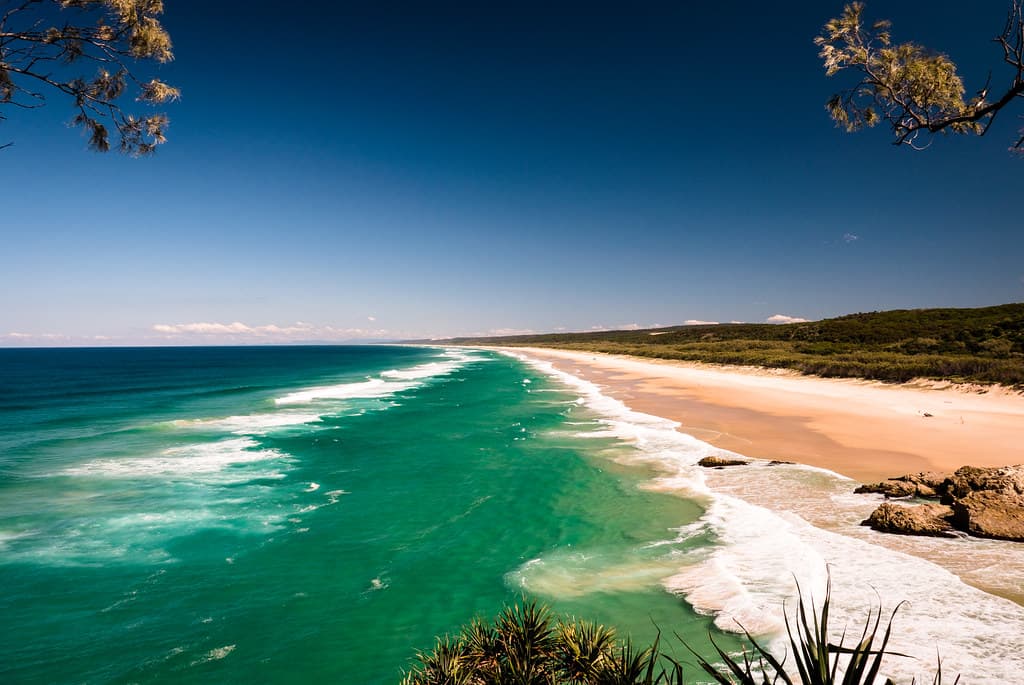
Amity Point sits on the northwestern tip of North Stradbroke Island, facing the protected waters of Moreton Bay rather than the Pacific swells that pound the island's eastern shore. The beach curves gently along a narrow strip where paperbark trees lean toward the tideline and the water stays shallow for thirty meters out—warm, glassy, and ridiculously gentle. You'll spot bottlenose dolphins most mornings, surfacing so close you can hear their breath, drawn here by the calm bay conditions and plentiful bream. The real theater happens after 4 p.m. This is one of Queensland's few west-facing beaches, and locals treat sunset like a nightly appointment. You'll see fishermen casting lines from the jetty, children building sandcastles in the golden light, and couples claiming their patch of sand with folding chairs and thermoses. The absence of high-rise development means nothing interrupts the sightline as the sun sinks behind Brisbane's distant skyline, staining the bay in shades of persimmon and plum. Unlike the surf beaches that draw the crowds to Straddie's eastern coast, Amity stays quiet, protected by its location and the twenty-minute vehicular ferry crossing from Cleveland. The township itself—a handful of weatherboard cottages, a general store, a fish-and-chip shop—feels unstuck from time, the kind of place where you park under a Moreton Bay fig and walk everywhere barefoot.
Places, rentals, tours and events within walking and driving distance of Amity Point Beach.
Photos
Amity Point Beach is generally safe for swimming due to its calm, protected bay waters on Moreton Bay's western side. The beach lacks strong surf and rip currents common on ocean-facing beaches, making it ideal for families with children. However, swimmers should watch for boat traffic, as it's a popular boating area. Marine stingers can be present during warmer months (November-May), so consider protective swimwear. The beach is unpatrolled, so swim within your abilities and supervise children closely at all times.
Amity Point Beach can be enjoyed year-round thanks to Queensland's subtropical climate. Summer (December-February) offers warm water temperatures ideal for swimming, though it can be humid with occasional afternoon storms. Winter (June-August) brings milder, drier weather perfect for beach walks and dolphin watching. The beach is famous for its west-facing sunsets, which are spectacular any season. Visit during weekdays to avoid weekend crowds, and arrive in late afternoon to experience the stunning sunset views over Moreton Bay that make this beach特別ly popular.
Amity Point Beach is located on North Stradbroke Island (Minjerribah), accessible only by water. Take the vehicle or passenger ferry from Cleveland (Redlands) to Dunwich, then drive approximately 18 kilometers north to Amity Point. The journey takes about 45 minutes total including the ferry crossing. Street parking is available near the beach in the small township of Amity Point, typically along Ballow Street and nearby residential streets. Parking is generally free and readily available except during peak holiday periods when it may be limited.
Amity Point is a small, quiet township with limited but adequate amenities. The historic Amity Point General Store offers basic supplies, takeaway food, and ice cream. There's a small café and the Island Fruit Barn nearby for fresh produce. Public toilets and a children's playground are available near the beach. The nearest full-service restaurants and supermarkets are in Dunwich (18km) or Point Lookout (8km). Accommodation options include holiday rentals, beach houses, and the Amity Point Camping Ground for those wanting to stay overnight and enjoy multiple sunsets.
Amity Point Beach is renowned for regular dolphin sightings, particularly Indo-Pacific humpback dolphins and bottlenose dolphins that feed in the shallow bay waters. Dolphins appear throughout the year, though early mornings and late afternoons often provide the best viewing opportunities when they come close to shore to feed. You can often spot them from the beach or jetty without needing a boat tour. The calm, clear waters make observation easy. Local volunteers sometimes conduct dolphin education sessions. Remember to observe from a respectful distance and never attempt to feed or touch wild dolphins.