
Counting the waves…
Counting the waves…

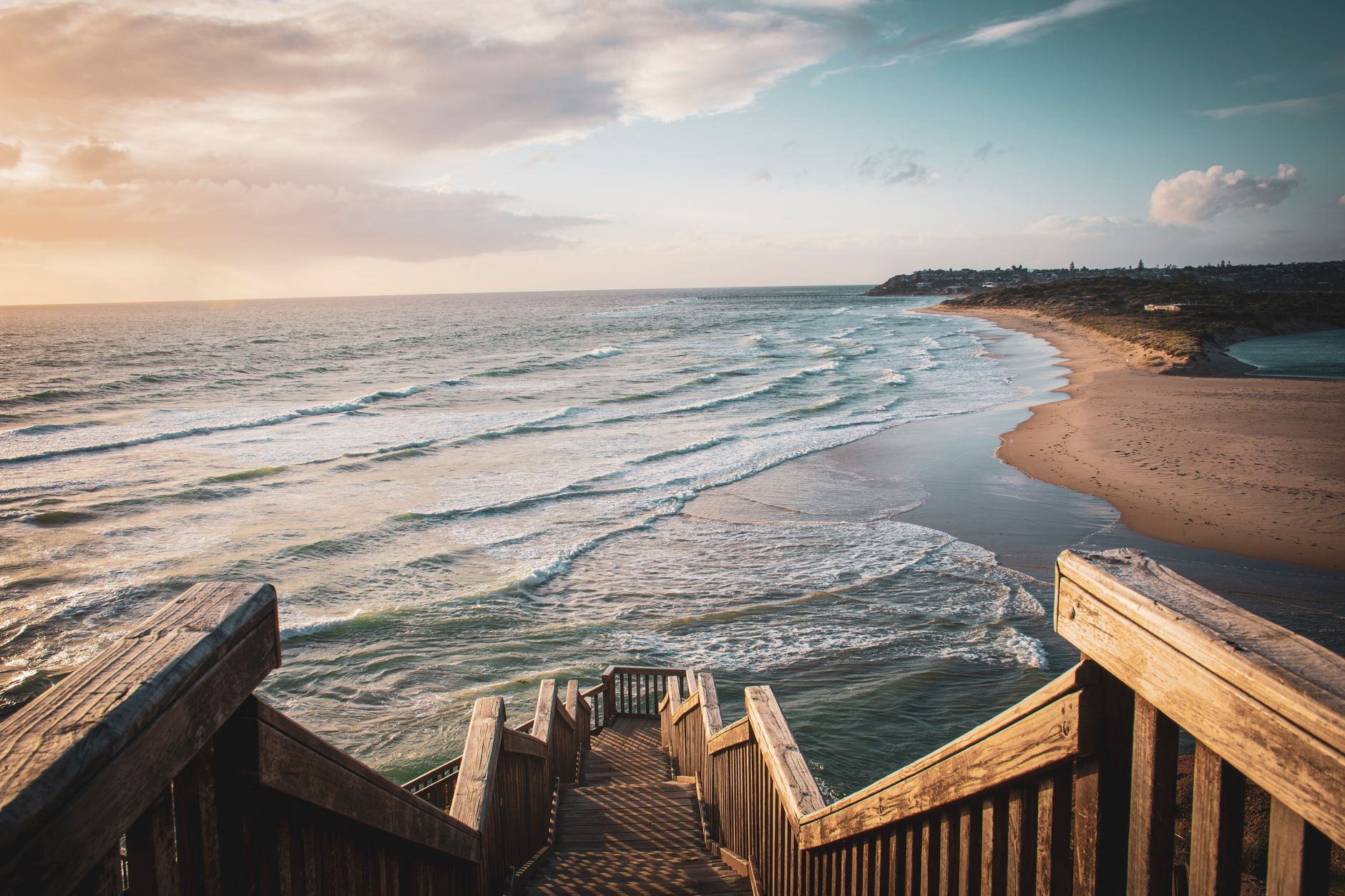
The drive into Chalmer's Beach from Aurukun passes through country most travelers never see: termite mounds tall as traffic lights, spinifex grass bristling gold in afternoon light, the occasional wallaby bounding into scrub. When the track finally spits you onto sand, the Gulf of Carpentaria unfolds in a wide, unadorned sweep—no surf breaks, no jetties, just tidal rhythms older than memory and a shoreline that feels stitched to the sky. You wade into warm, silt-laden shallows where the tide pulls and pushes with lunar insistence. Mudflats appear and vanish. Herons stalk the water's edge. The sand beneath your toes holds the weight of countless tides, and the quiet is so complete you hear your own breath. This is not a beach for Instagram poses or umbrella rentals; it's a place to reckon with scale, to sit on driftwood bleached bone-white and watch weather systems build across the Gulf. Bring shade, bring water, bring respect for remoteness. Aurukun's community-owned land requires cultural awareness and advance planning. The reward is a coastline untouched by resort logic, where the only schedule is the tide chart and the only company is the occasional fishing boat putting out at dawn. You leave differently than you arrived—salt-skinned, sun-tired, grateful for the privilege of solitude.
Places, rentals, tours and events within walking and driving distance of Chalmer's Beach.
Photos
Swimming at remote Far North Queensland beaches requires caution. The region is known for estuarine crocodiles, marine stingers (jellyfish), and strong currents, particularly during wet season. Always check locally for current conditions before entering the water. Avoid swimming alone, stay in shallow areas, and never swim at dawn, dusk, or night when crocodiles are most active. Given Chalmer's Beach's remote location, there are no lifeguards or safety nets. Consult with Aurukun locals or Indigenous rangers about specific safety concerns before visiting.
The dry season (May to October) offers the most comfortable conditions for visiting Chalmer's Beach, with lower humidity, minimal rainfall, and more accessible roads. Temperatures range from 20-30°C with clear skies. The wet season (November to April) brings heavy rainfall, extreme heat, humidity, and potential road closures that may make the area inaccessible. Marine stingers are also more prevalent during warmer months. For the best experience, plan your visit between June and September when weather conditions are most predictable and travel is easiest.
Chalmer's Beach is accessed via Aurukun, a remote Indigenous community in Far North Queensland. Aurukun itself is reached by air from Cairns or by 4WD during dry season only. Visitors require a permit to enter Aurukun through the Northern Peninsula Area Regional Council. Roads to beaches in this area are unsealed and require high-clearance 4WD vehicles. Parking is informal and undeveloped. Given the remote location and cultural sensitivities, it's highly recommended to arrange visits through local tour operators or seek permission from traditional owners before traveling independently.
Aurukun is a small remote community with very limited visitor facilities. There's a basic general store and community facilities, but no hotels, restaurants, or tourist amenities. The Aurukun Shire Council operates limited guesthouse accommodation, which must be booked well in advance and requires proper permits. Visitors should bring all necessary supplies, food, water, and camping equipment from Cairns or Weipa. Mobile phone coverage is limited. This is an extremely remote destination requiring complete self-sufficiency and advance planning for all basic needs.
Yes, permission is required. Aurukun is located on Aboriginal land, and visitors must obtain a permit through the Northern Peninsula Area Regional Council before entering. This respects the rights and protocols of the Wik and Wik-Way peoples who are traditional owners of this country. Permits ensure appropriate cultural protocols are followed and help manage visitor impact. Processing can take several weeks, so apply well in advance. Some areas may be restricted or sacred sites off-limits to visitors. Always respect local customs and seek guidance from community members about appropriate beach access.