Counting the waves…
Counting the waves…

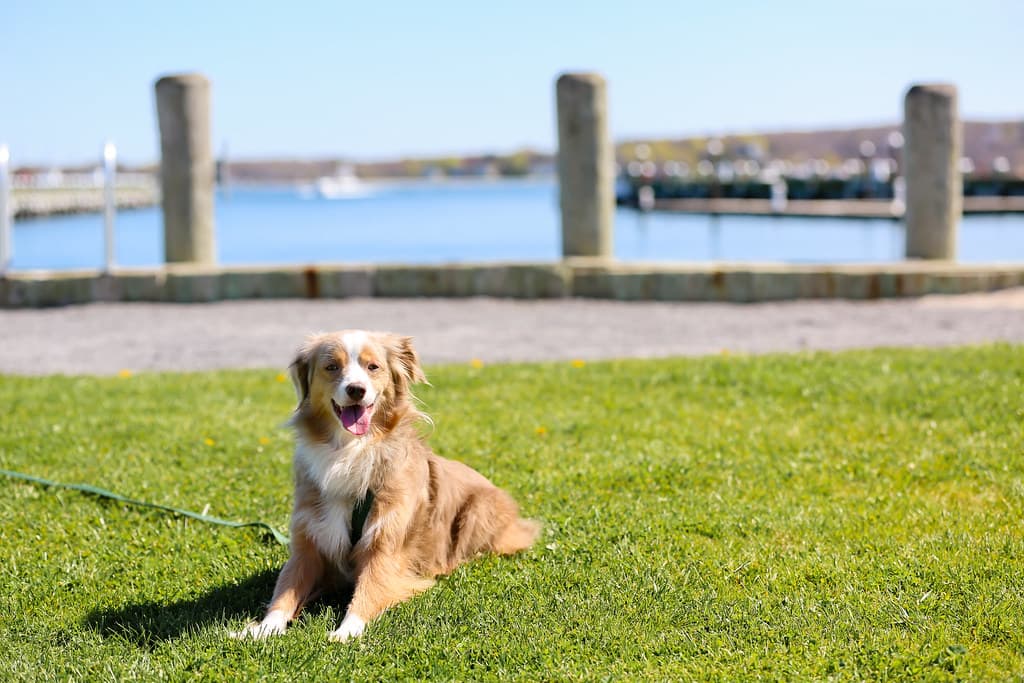
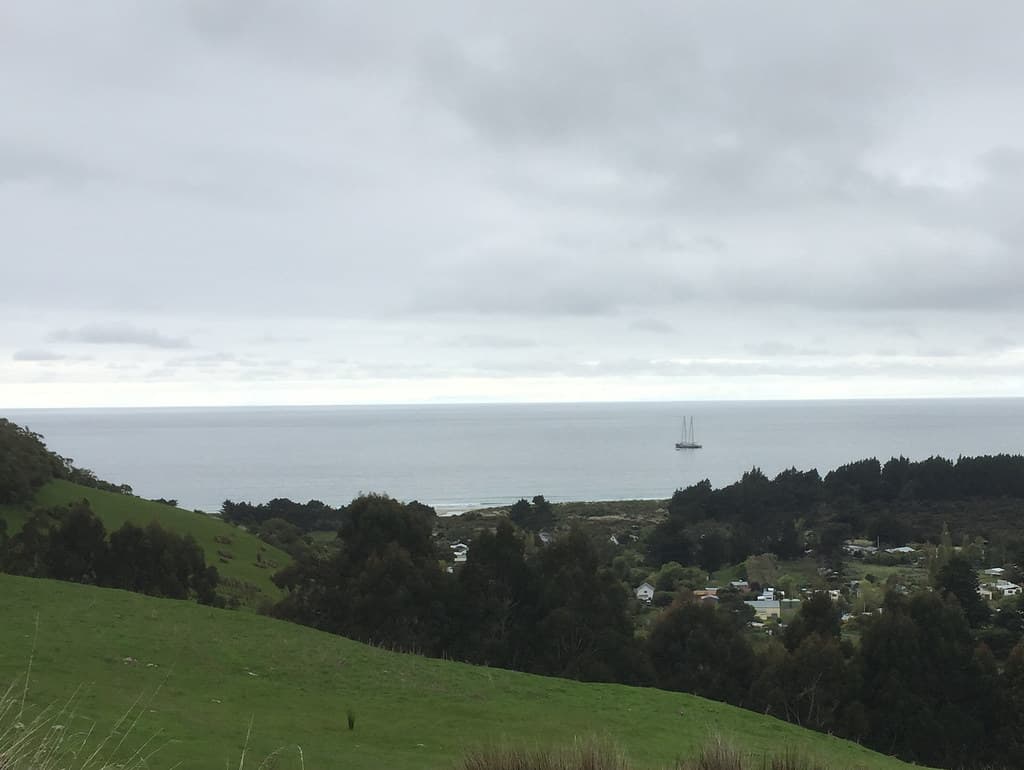
The drive out from Weipa's industrial core takes you past red-dirt roads and termite mounds until the bush thins and the Gulf of Carpentaria spreads wide and flat. Rocky Point Beach sits low-slung and unassuming, its sand the colour of terracotta dust, scattered with bleached driftwood and fragments of mangrove root worn smooth by tides. You'll find no umbrellas, no kiosks—just a shoreline that stretches in both directions under an enormous sky, the water so shallow it remains bathtub-warm even in the dry season. The shallows here slope gradually, letting you wade a hundred metres out before the Gulf reaches your waist. Mudflats emerge at low tide, revealing hermit crabs tracing lazy spirals and the occasional stingray gliding past your ankles. Overhead, brahminy kites wheel in wide arcs, their cries sharp against the stillness. The mangrove fringe to the north releases a briny, vegetal scent that mingles with eucalyptus carried on the breeze. You'll share this beach with few others—perhaps a local casting a line from the sand, or a family letting their kelpie sprint circles through the shallows. The solitude feels earned, not marketed. As the afternoon stretches long, the Gulf's surface turns silver, then rose, the horizon dissolving into soft gradations of colour. You'll leave with sand caked to your feet and the quiet lodged deep in your chest.
Places, rentals, tours and events within walking and driving distance of Rocky Point Beach.
Photos
Rocky Point Beach requires caution for swimming. As with many Far North Queensland beaches, marine stingers (jellyfish) are present during the wet season (November-May), so wearing protective stinger suits is recommended. Crocodiles inhabit northern Australian coastal waters, and while sightings are less common at this beach, visitors should observe warning signs and avoid swimming at dawn, dusk, or in murky water. The beach has a rocky shoreline as the name suggests, so water shoes are advisable. Always check local conditions and heed any posted warnings before entering the water.
Rocky Point Beach is accessible year-round, but the dry season (May-October) offers the most comfortable conditions with lower humidity, minimal rainfall, and temperatures around 25-30°C. This period provides clearer skies for enjoying the scenic views and calmer seas. The wet season (November-April) brings higher humidity, afternoon storms, and increased marine stinger activity, though mornings can still be pleasant. For photography and sunset views, the dry season's clearer conditions are ideal. Visit early morning or late afternoon year-round to avoid the strongest midday heat.
Rocky Point Beach is located a short drive from central Weipa. Access is typically via sealed roads leading to the coastal area, though specific directions are best obtained locally as some beach access points in Weipa may require familiarity with the area. Parking is generally available near the beach access points, though facilities may be informal compared to major tourist beaches. A standard vehicle can usually access the area, but check local conditions during the wet season. Ask at your accommodation or the Weipa Visitor Information Centre for the most current directions and access information.
Rocky Point Beach is a low-key, undeveloped beach with minimal on-site amenities. Visitors should bring their own food, water, and shade as facilities are limited or non-existent at the beach itself. Weipa town, a short drive away, offers supermarkets, restaurants, cafes, and takeaway options where you can stock up before visiting. Accommodation options including hotels, motels, and caravan parks are available in Weipa proper rather than at the beach. Plan to be self-sufficient with essentials like sunscreen, insect repellent, and drinking water when visiting this peaceful, undeveloped beach location.
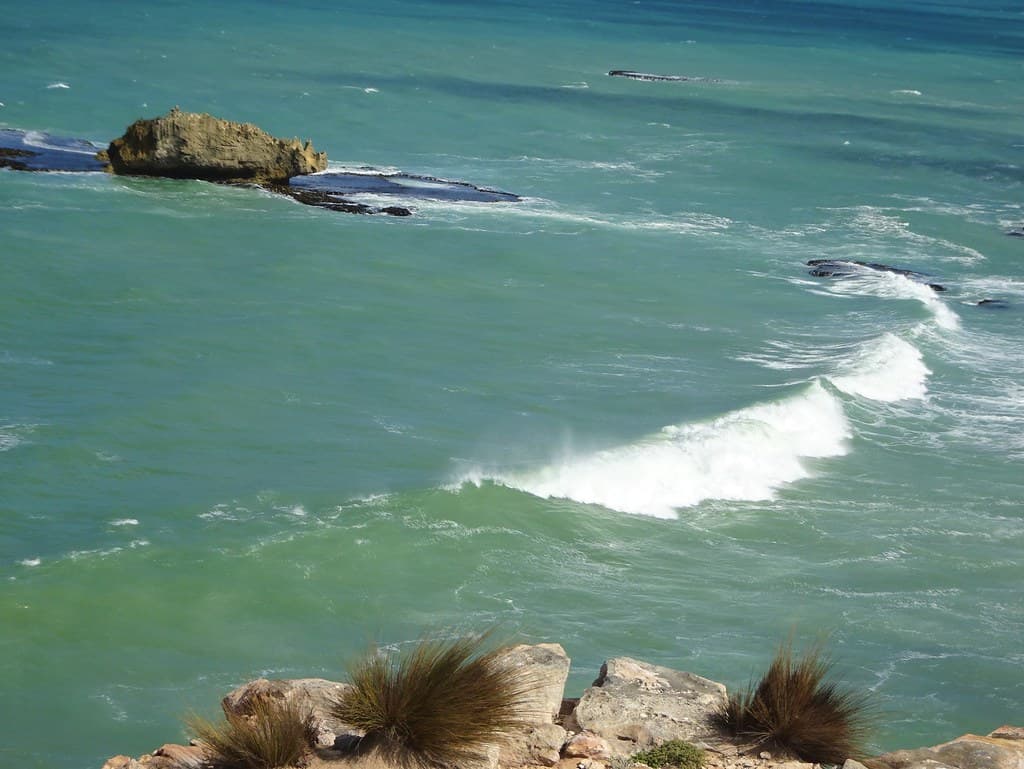
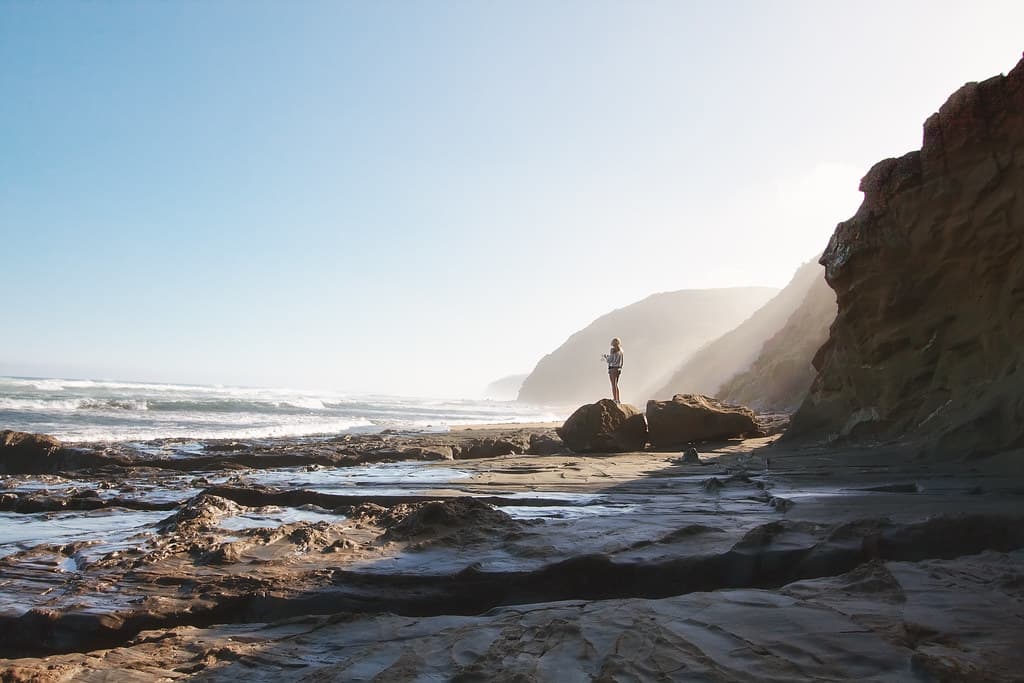
Rocky Point Beach offers a quieter, more secluded alternative to Weipa's busier main beach areas. Its defining feature is the rockier shoreline and more rugged coastal character, providing excellent photographic opportunities and scenic views across the Gulf of Carpentaria. The peaceful atmosphere attracts visitors seeking solitude and a more natural beach experience without crowds. The rocky formations create interesting coastal landscapes distinct from typical sandy beaches. This hidden gem appeals to those who prefer exploring less-developed coastal areas and enjoying tranquil surroundings, though it means fewer facilities in exchange for a more authentic, untouched beach environment.