

Counting the waves…
Counting the waves…

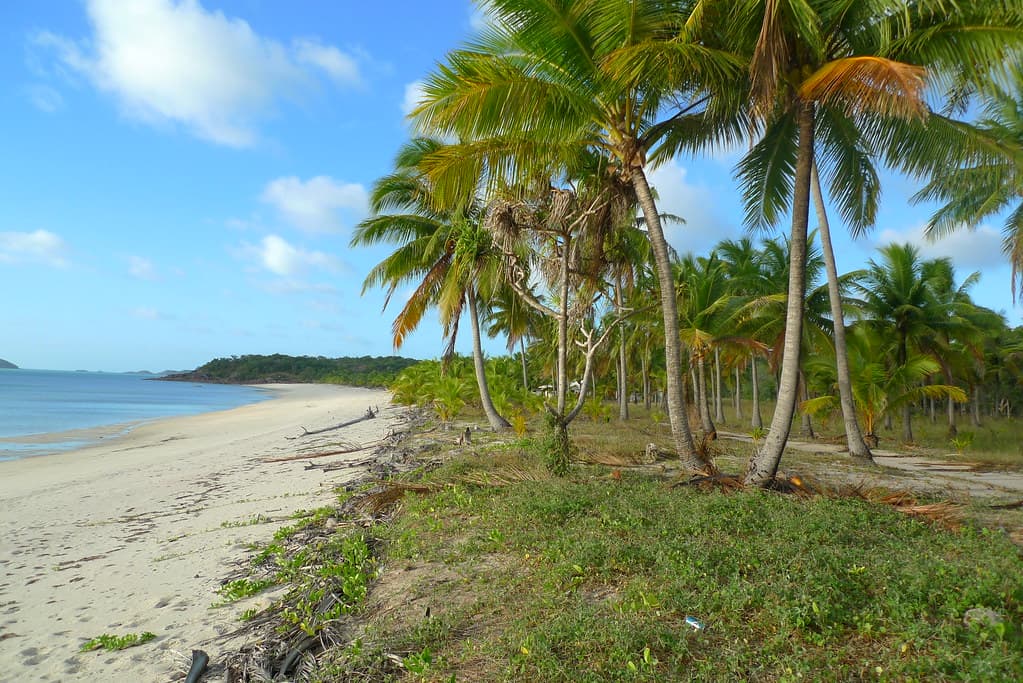
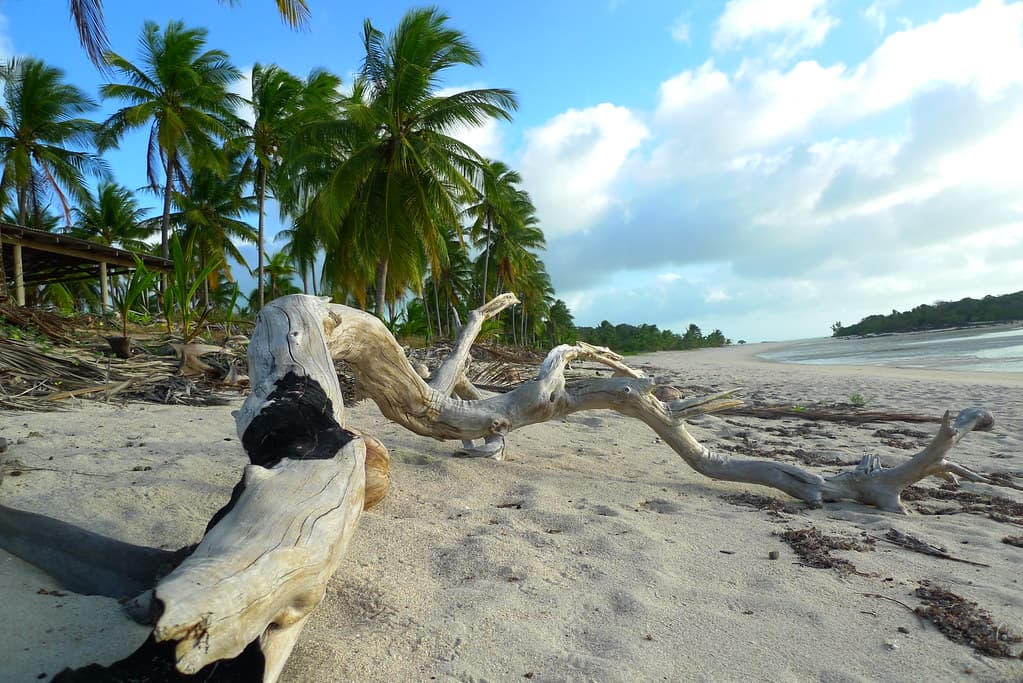
The flight from Horn Island skims low over the Torres Strait, a turquoise maze of reefs and sandbars that separates mainland Australia from Papua New Guinea. When you touch down on Badu Island, the pace shifts immediately. This is a place governed by tide tables, not tour schedules—a Kaurareg homeland where the beach unfolds in long, gentle arcs of bone-white sand fringed by pandanus and coconut palms. The water is bath-warm year-round, shallow enough to wade out fifty meters before it reaches your waist, and alive with darting fish that scatter at your ankles. You won't find beach clubs or even a coastal café here. What you will find is silence broken only by the rustle of casuarina trees and the occasional splash of a sea turtle surfacing offshore. The island's small community welcomes respectful visitors, and a walk along the beach at dawn or dusk often means you're the only person for kilometers. Locals fish from the rocks at the northern end, casting handlines for coral trout and sweet-lipped emperor. The remoteness is the point. Badu sits in a part of Australia that feels untethered from the rest of the country, a place where the rhythm of the day follows the sun and the tide, not the clock. You'll leave with sand still in your bag and the memory of a shoreline that felt, for a brief moment, entirely yours.
Places, rentals, tours and events within walking and driving distance of Badu Island Beach.
Photos
Swimming conditions at Badu Island Beach are generally calm due to its protected location in the Torres Strait. However, visitors should exercise caution as the area can have strong currents, marine stingers (particularly box jellyfish during wet season from November to May), and saltwater crocodiles in northern Queensland waters. Always check local conditions before entering the water, consider wearing protective stinger suits, and seek advice from local Indigenous rangers or community members about current safety conditions and any specific hazards.
Badu Island Beach can be visited year-round, though the dry season (May to October) typically offers the most comfortable conditions with lower humidity, minimal rainfall, and pleasant temperatures around 25-30°C. The wet season (November to April) brings higher humidity, tropical storms, and increased marine stinger activity. During dry season months, you'll enjoy clearer skies and calmer seas, making it ideal for beach activities. Wind patterns are generally milder mid-year, enhancing the tranquil atmosphere this remote beach is known for.
Badu Island is located in the Torres Strait and requires air or sea travel to reach. Regular flights operate from Cairns or Horn Island to Badu Island's airstrip. Alternatively, ferry services run from Thursday Island, though schedules can be irregular. As Badu is a small Indigenous community in the Torres Strait Islands, visitors typically need permission from the Torres Strait Island Regional Council before visiting. There are no formal parking facilities, as vehicle access is limited on the island and most transport is by foot or small utility vehicles.
Badu Island has very limited tourist infrastructure, as it's a small Indigenous community. Accommodation options are extremely limited and typically require advance arrangement through local contacts or the community council. There's a small local store for basic supplies, but no restaurants or cafes catering to tourists. Visitors should plan to bring most provisions from Cairns or Thursday Island. Some homestay or community-based accommodation may be available with prior permission, but facilities are basic and tourism services are not the island's focus.
Yes, Badu Island is a protected Indigenous community in the Torres Strait, and visitors generally require permission before arrival. You should contact the Torres Strait Island Regional Council well in advance of your planned visit. As a living community with strong cultural protocols, respectful engagement with local Indigenous authorities is essential. The island is not set up for casual tourism, and unauthorised visits are discouraged. This permission process helps preserve the community's privacy and cultural integrity while ensuring visitors understand local customs and expectations during their stay.