Counting the waves…
Counting the waves…

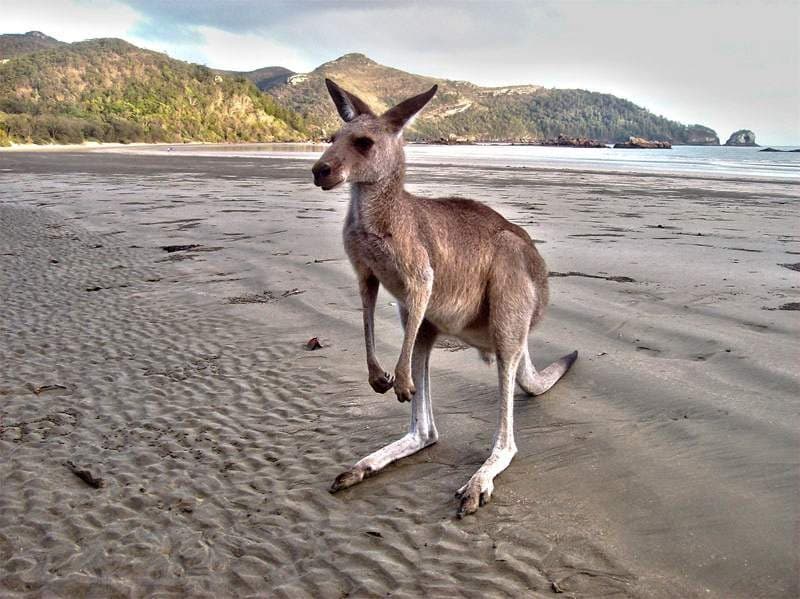
The drive north from Mackay trades highway monotony for a narrow coastal road that winds past cane fields and weatherboard homes before delivering you to Ball Bay Beach—a sweep of sand bookended by dark volcanic headlands. You park beside Norfolk pines that lean permanently eastward, sculpted by trade winds that arrive each morning with salt and the faint scent of seagrass drying on the shore. Low tide reveals a second beach entirely: shallow lagoons pooled between sandbars, their floors rippled like corduroy, warm enough to wade barefoot while oystercatchers probe the mud. The water here is teal shading to navy, its surface ruffled rather than glassy, and the waves arrive in gentle sets that fold over themselves with a sound like tearing silk. Surfers dot the lineup near the northern rocks when the swell angles right, but most afternoons you'll share the sand with only a handful of fishermen casting into the shorebreak. Above the beach, a grassy reserve offers picnic tables beneath she-oaks, their needles whispering in the constant breeze. The headlands frame your view north and south—no high-rises, no beach umbrellas in regimented rows, just the unvarnished shoreline of Central Queensland stretching toward the horizon. It's a beach that asks nothing of you except to show up and let the wind shake the city from your shoulders.
Places, rentals, tours and events within walking and driving distance of Ball Bay Beach.
Photos
Ball Bay Beach generally offers calm swimming conditions, particularly during the dry season when seas are calmer. However, as with many northern Queensland beaches, be mindful of marine stingers (jellyfish) from November to May—consider wearing a stinger suit during these months. The beach is unpatrolled, so swim at your own risk and stay within your depth. Check local conditions before entering the water, especially after storms or during windy periods when currents may be stronger. Crocodiles have been reported in coastal areas of this region, so observe warning signs.
Ball Bay Beach is accessible year-round, with Queensland's tropical climate providing warm temperatures in all seasons. The dry season from May to October offers the most pleasant weather with lower humidity, minimal rainfall, and comfortable temperatures around 20-26°C. This period also falls outside stinger season, making ocean swimming safer. Winter months (June-August) are particularly popular with visitors escaping colder southern climates. The wet season (November-April) brings higher humidity and afternoon storms, though mornings are often still beautiful for beach visits.
Ball Bay Beach is located approximately 35 kilometres north of Mackay via the Bruce Highway and Ball Bay Road. Follow signs toward Ball Bay from the highway—the turnoff is clearly marked. The drive takes around 30 minutes from Mackay's city centre. There is limited parking available near the beach access points, typically consisting of small informal parking areas along the roadside. The area is relatively undeveloped compared to Mackay's suburban beaches, so arrive early during peak holiday periods to secure parking close to your preferred beach access point.
Ball Bay is a quiet, rural coastal area with minimal commercial development directly at the beach. Visitors should bring their own food, drinks, and beach supplies, as there are no shops or restaurants immediately nearby. The nearest cafes and grocery stores are in surrounding towns or back toward Mackay. Accommodation options in the immediate area are limited; most visitors base themselves in Mackay and make Ball Bay a day trip destination. For those seeking beachfront stays, exploring holiday rental properties in the broader Ball Bay area may yield some options.
Ball Bay Beach stands out for its unspoiled, natural character and relative seclusion compared to Mackay's more developed suburban beaches. The beach features distinctive rocky headlands and a more rugged coastal landscape that appeals to photographers and couples seeking scenic, peaceful settings. Its undeveloped nature means fewer crowds and a more authentic Queensland coastal experience. The surrounding area retains a rural character with cane fields meeting coastline, offering views that contrast sharply with the urbanized beaches closer to Mackay's city centre, making it ideal for visitors wanting solitude.