Counting the waves…
Counting the waves…

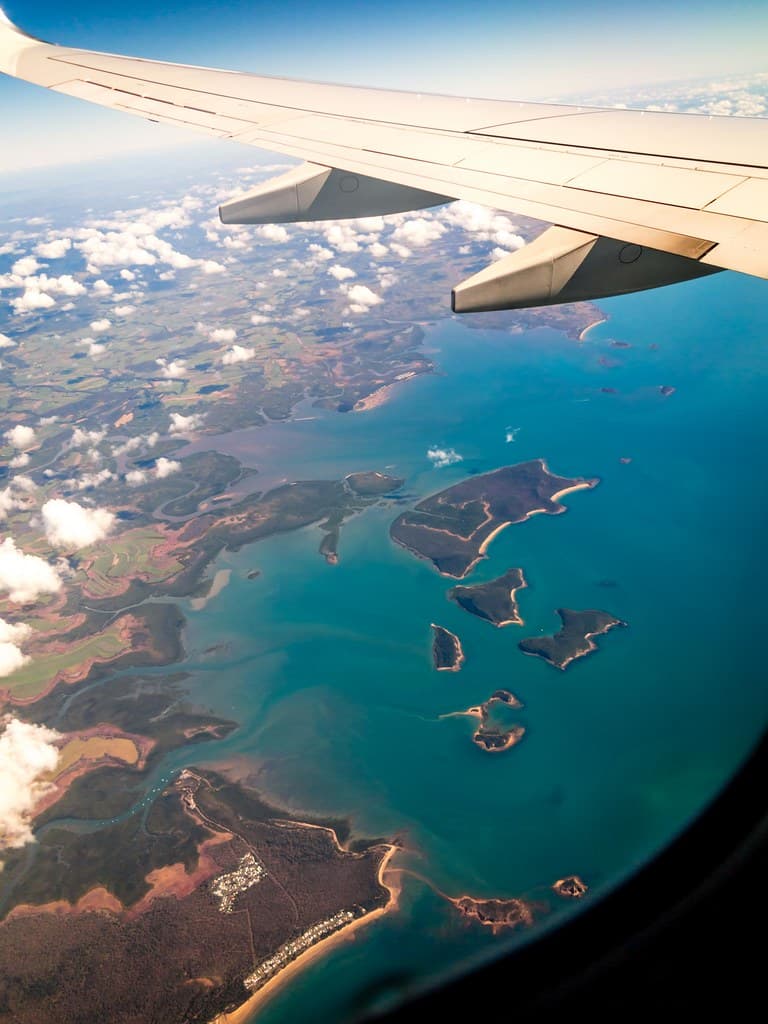
The Juipera people walked this shoreline for millennia, and you can still see why they chose it: a crescent of bronze sand framed by paperbark trees and hoop pines so dense the canopy forms a living wall. At high tide, waves unfurl just metres from the rainforest's edge, salt spray mingling with the scent of eucalyptus. The beach curves gently north, its rockpools alive with anemones and tiny fish that dart between the volcanic boulders tumbled along the southern headland. Most mornings between dawn and eight, marsupials descend from the Andrews Point walking track to feed. You'll watch wallabies nibble kelp, unbothered, close enough to hear the thump of hind legs on compacted sand. Bring a telephoto lens and stay still; the animals tolerate observers but scatter at sudden movement. By mid-morning they retreat uphill, leaving behind paw prints that the incoming tide erases. The national park buffer means no high-rises, no jet skis—just a small campground tucked into the trees and a single resort where the pub serves cold beer and reef fish. Walk the Diversity Boardwalk through mangroves where mudskippers leap, or follow the track to Wedge Island's lookout for views across the Whitsunday passage. The water stays warm year-round, though stingers appear November through May. Pack a wetsuit or choose the cooler months when the sea is both swimmable and safe.
Places, rentals, tours and events within walking and driving distance of Cape Hillsborough Beach.
Photos
Swimming conditions at Cape Hillsborough Beach vary throughout the year. During stinger season (November to May), marine stingers including box jellyfish are present, so swimming is not recommended unless wearing protective clothing. Outside stinger season, swimming is generally safer, though always check local conditions and watch for strong currents, especially during king tides. The beach has rocky areas and creek outflows, so be cautious when entering the water. There are no patrolled swimming areas or lifeguards on duty at this beach.
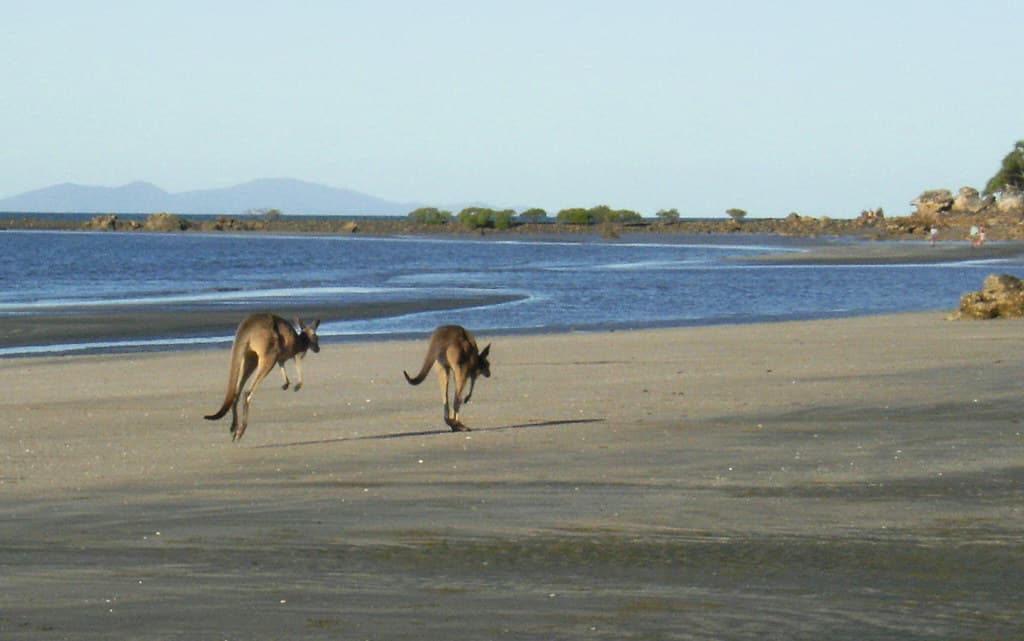
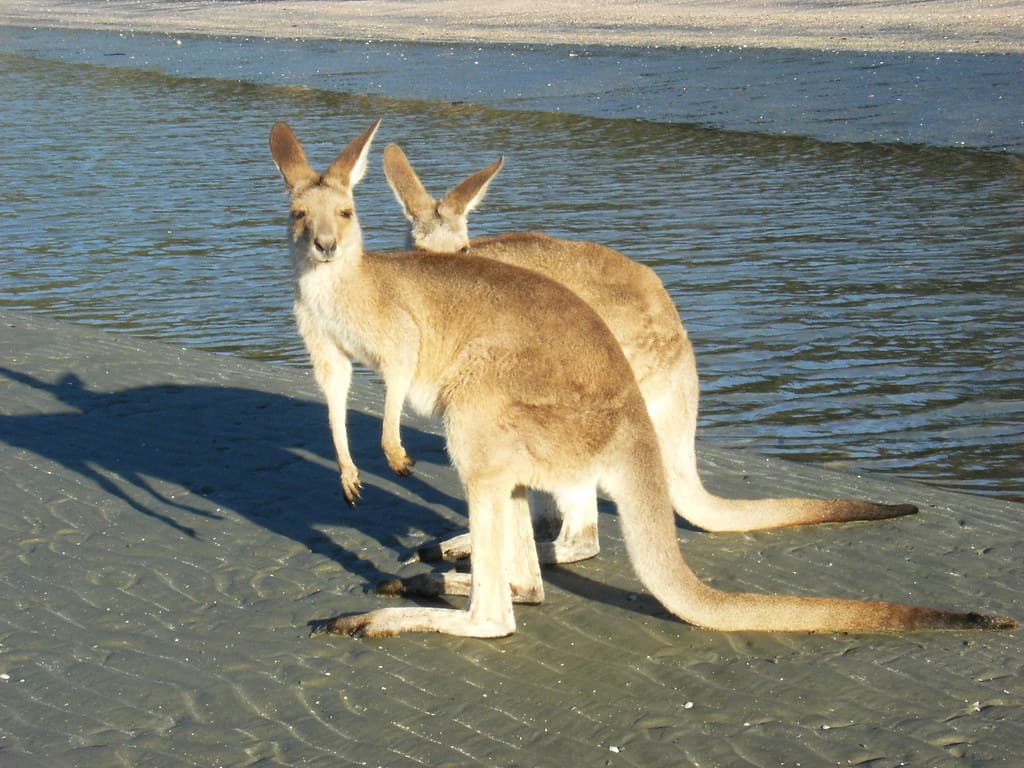
Cape Hillsborough Beach can be visited year-round, but the cooler dry season (May to October) offers the most comfortable conditions with lower humidity and minimal rainfall. This period also avoids marine stinger season, making beach activities safer. The beach is famous for kangaroos and wallabies that visit the shore at sunrise, visible throughout the year but most reliably spotted during dry season months. Early morning visits are essential for wildlife viewing, with peak activity typically occurring just after dawn when the tide is out.
Cape Hillsborough Beach is located approximately 50 kilometres north of Mackay via the Peak Downs Highway and Cape Hillsborough Road—about a 45-minute drive. The road is sealed and suitable for all vehicles. Free parking is available at the main beach access point near the Smalleys Beach picnic area and boat ramp. Additional parking can be found at the Cape Hillsborough Nature Tourist Park. The beach is easily accessible with a short walk from parking areas, making it convenient for day visitors.
Cape Hillsborough Nature Tourist Park offers on-site accommodation including cabins, safari tents, and camping sites, plus a small shop and cafe. The Seaforth Hotel is about 15 kilometres away for dining options. Basic facilities at the beach include public toilets, picnic tables, and barbecue areas at Smalleys Beach. Drinking water and shower facilities are available at the tourist park. For broader dining and shopping options, visitors typically travel back to Mackay. It's advisable to bring supplies, especially for day trips.
Yes, Cape Hillsborough Beach is genuinely famous for kangaroos and wallabies that forage on the beach at sunrise, searching for mangrove seed pods washed up by the tide. This natural phenomenon occurs regularly, though wildlife sightings are never guaranteed. To maximize your chances, arrive before dawn and wait quietly near the rocks at the northern end of the beach. The animals are wild, so maintain a respectful distance and never feed them. This unique rainforest-to-reef ecosystem creates one of Australia's most distinctive beach wildlife experiences.