Counting the waves…
Counting the waves…

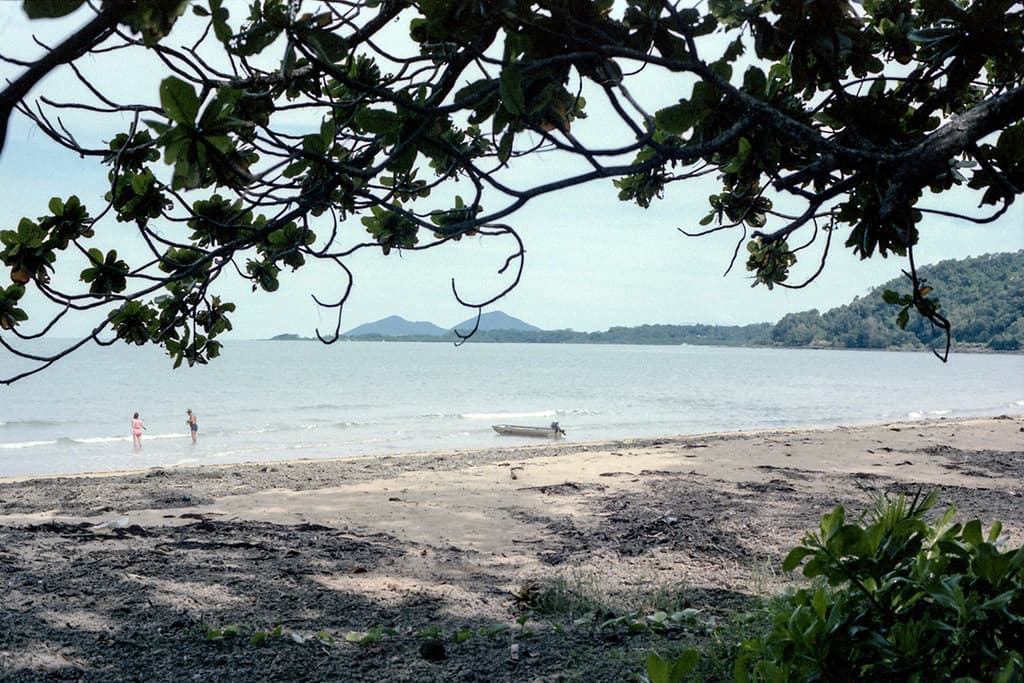
The sand here holds the memory of ancient volcanoes—fine, cocoa-dark grains that heat quickly underfoot by mid-morning. You'll walk past strands of bull kelp tangled with seed pods from the rainforest canopy overhead, a reminder that the Wet Tropics World Heritage Area doesn't politely stop at the tree line but spills right down to the waves. Paperbark trees lean at odd angles where king tides have undercut their roots, and if you're patient near dawn, you might spot a southern cassowary threading through the understory, its blue neck catching the first light. The Coral Sea rolls in with a persistent swell, breaking over patches of volcanic rock that jut through the shallows like knuckles. At low tide, tide pools collect rainwater runoff stained the color of black tea—tannins from the forest floor mixing with saltwater. Locals know to time their swims between the stinger season precautions and the afternoon onshore winds that kick up by two o'clock. Bring reef shoes; the mix of sand and fractured basalt makes barefoot exploration painful past the high-tide mark. The beach curves north toward the mouth of Clump Point, where fishing boats motor out before breakfast and return with spanish mackerel by lunch. There are no cafés within sight, no rental umbrellas, no lifeguard towers—just the rhythm of waves and the occasional thud of a coconut dropping somewhere in the palms behind you.
Places, rentals, tours and events within walking and driving distance of Bingil Bay North Beach.
Photos
Bingil Bay North Beach is generally suitable for swimming, though conditions vary with weather and tides. The beach is unpatrolled, so swim cautiously and stay alert to currents and marine life. During November to May, marine stingers (box jellyfish and irukandji) are present in North Queensland waters, so wear protective stinger suits and swim near the shore. Check local conditions before entering the water. The beach's quieter nature means fewer people around in emergencies, so never swim alone and consider nearby patrolled beaches if you're uncertain about conditions.
Bingil Bay North Beach enjoys a tropical climate with year-round appeal, though the dry season (May to October) offers the most comfortable conditions with lower humidity, minimal rainfall, and pleasant temperatures averaging 20-26°C. This period also avoids the summer stinger season. The wet season (November to April) brings warmer temperatures, afternoon storms, and lush surroundings, but requires stinger precautions for swimming. Winter months (June-August) provide ideal beach weather without the crowds found at more popular Queensland beaches. Early mornings offer the calmest conditions and best light for photography.
Bingil Bay North Beach is located approximately 180km south of Cairns and 25km north of Mission Beach. From the Bruce Highway, turn onto Bingil Bay Road and follow signs toward Bingil Bay. The beach access is less obvious than the main Bingil Bay Beach; look for Bingil Bay Road continuing north. Parking is limited and informal, typically along roadside areas near beach access points. A 4WD isn't necessary, but be prepared for a short walk through natural vegetation to reach the sand. The quiet location means fewer facilities but also fewer visitors.
Bingil Bay North Beach itself has no commercial facilities due to its secluded nature. The small village of Bingil Bay, a few minutes' drive south, offers limited services including a general store and a few holiday rentals. For more dining options, supermarkets, and accommodation choices, head to Mission Beach (approximately 10km south), which has restaurants, cafes, resorts, and camping facilities. Many visitors stay in Mission Beach or nearby towns and visit Bingil Bay North Beach as a day trip for its peaceful, uncrowded atmosphere. Bring your own supplies including water and snacks.
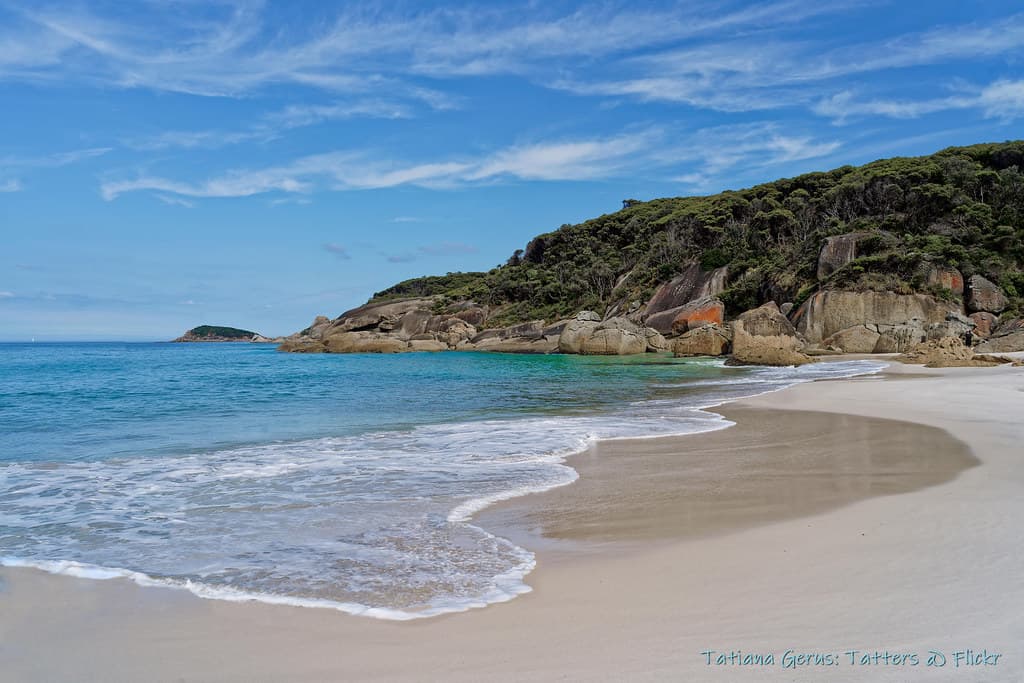
Bingil Bay North Beach is a quieter, more secluded stretch that extends north from the main Bingil Bay Beach area. While the main beach attracts more visitors and has clearer access points, the North Beach offers greater solitude and a more untouched coastal experience. It's popular with locals and those seeking to escape crowds. The beach features similar tropical scenery with rainforest backdrop and rocky headlands, but its harder-to-find location means you'll often have long stretches of sand to yourself. It's ideal for peaceful walks, beachcombing, and nature appreciation rather than social beach activities.