Counting the waves…
Counting the waves…

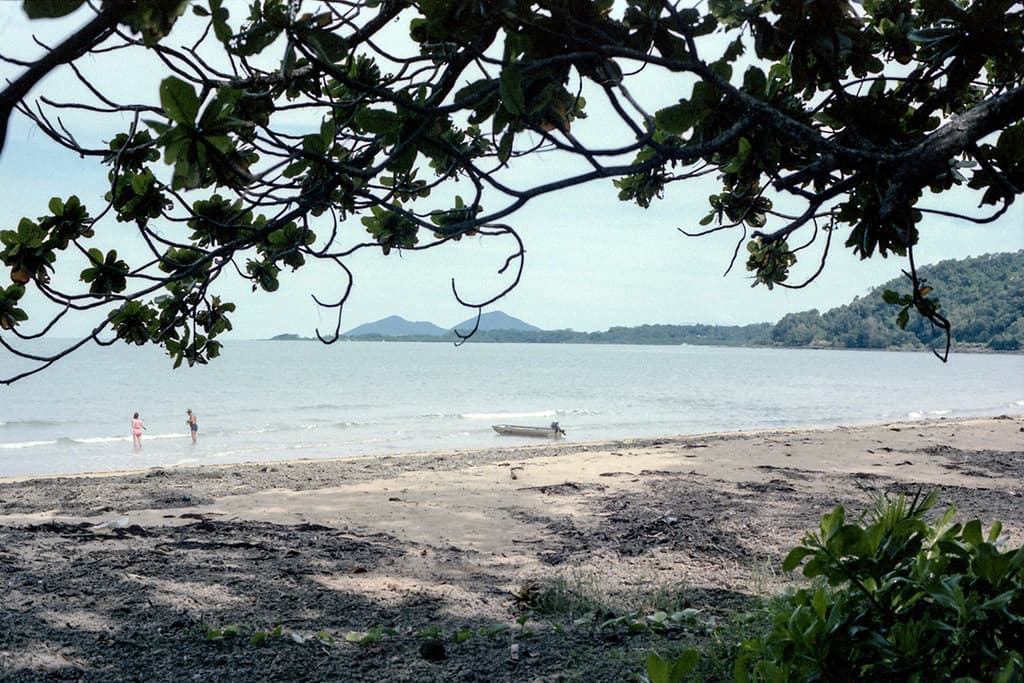
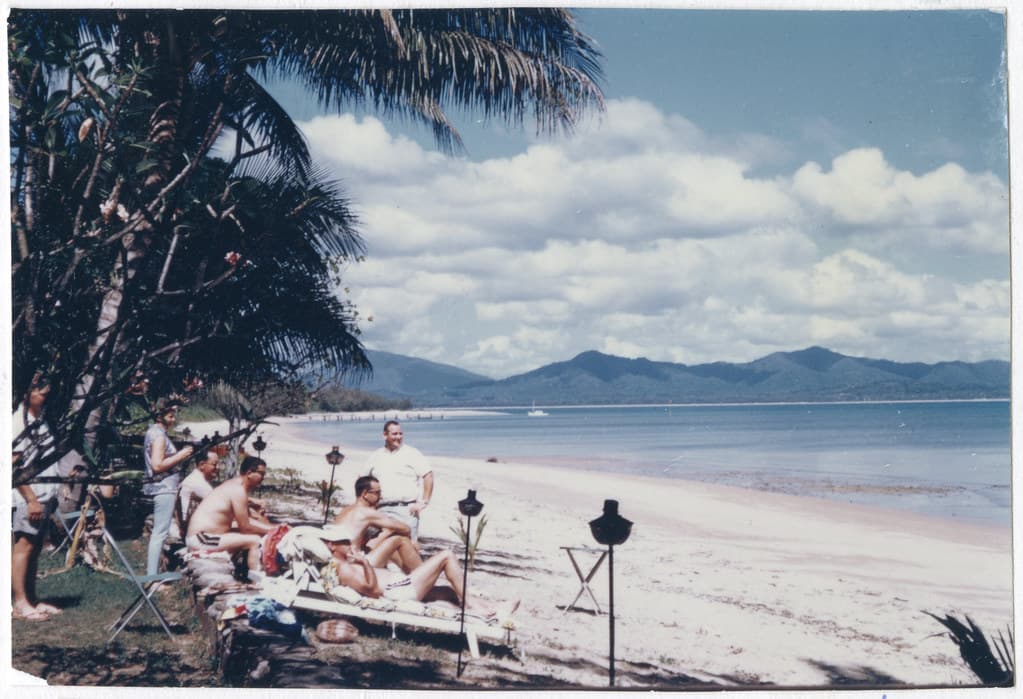
North Mission Beach anchors fourteen kilometres of unbroken coastline where the Wet Tropics rainforest spills down to meet the Coral Sea. You'll park beneath pandanus trees and step onto sand so fine it compacts under your heels, releasing tiny air pockets with each stride. The beach curves gently northward, backed by she-oak and coconut palms that rattle in the trade winds, while Dunk Island rises green and humpbacked on the horizon. The swimming here feels effortless—water temperatures hover around 26°C year-round, and the shelf slopes gradually enough that you can wade thirty metres out before the seafloor drops. Stinger nets stretch between yellow-and-red poles during November through May, creating safe enclosures when box jellyfish drift inshore. Outside those months, you'll have the entire sweep to yourself, save for the occasional cassowary ambling across the sand at dawn, leaving three-toed tracks the size of dinner plates. The foreshore reserve offers picnic tables under Melaleuca trees, their papery bark curling in the humidity, and a playground where families gather after school. Locals arrive with surfboards tucked under arms, checking the small shore break that builds on north-easterly swells. By late afternoon, the light turns honeyed, casting long shadows across the beach as fruit bats begin their exodus from the rainforest canopy inland.
Places, rentals, tours and events within walking and driving distance of North Mission Beach.
Photos
North Mission Beach is patrolled by lifeguards during peak seasons, and you should always swim between the red and yellow flags. Be aware of marine stingers (jellyfish) present from November to May—stinger nets are installed during this period, and wearing protective stinger suits is highly recommended. Strong currents and rips can occur, so check warning signs daily. Crocodiles inhabit the region, so avoid swimming near creek mouths or at dawn and dusk. Always follow lifeguard advice and local safety signage for the safest experience.
North Mission Beach is enjoyable year-round, though June to October offers the most comfortable conditions with warm, dry weather, calmer seas, and no marine stingers. Average temperatures range from 23-28°C during these months. November to May is the wet season with higher humidity, afternoon storms, and jellyfish presence requiring stinger suits. However, the beach remains beautiful and less crowded during this period. For swimming without stinger concerns, winter and early spring months are ideal, while summer offers lush tropical scenery despite occasional rain.
Free parking is available at several locations along North Mission Beach. The main car park is located at the northern end of Wongaling Beach Road, directly opposite the beach access points. Additional parking areas can be found along Porter Promenade and near the intersection with Kennedy Esplanade. During peak holiday periods and weekends, parking fills quickly, so arriving early morning is advisable. Most spots are unpaved or gravel-based. The beach is approximately 140 kilometers south of Cairns, accessible via the Bruce Highway and Tully-Mission Beach Road.
North Mission Beach offers diverse accommodation from beachfront resorts and holiday apartments to budget hostels and caravan parks within walking distance of the beach. The nearby Mission Beach village (2-3 kilometers south) has cafes, restaurants, a supermarket, and takeaway options serving fresh seafood and casual dining. Several resorts have on-site restaurants. For more variety, the connected settlements of Wongaling Beach and South Mission Beach provide additional eateries and shops. Many accommodations offer self-catering facilities, ideal for families. Book ahead during Australian school holidays and winter peak season.
North Mission Beach is part of the Cassowary Coast, home to the endangered southern cassowary. While sightings aren't guaranteed, cassowaries occasionally cross beaches and roads, particularly early morning or late afternoon when searching for fallen fruit. If you encounter one, maintain at least five meters distance, never feed them, and move away calmly without running. The nearby rainforest areas and Lacey Creek walking tracks offer better viewing opportunities. Information boards around Mission Beach provide guidance on cassowary safety and conservation efforts protecting these iconic, prehistoric-looking birds.