
Counting the waves…
Counting the waves…

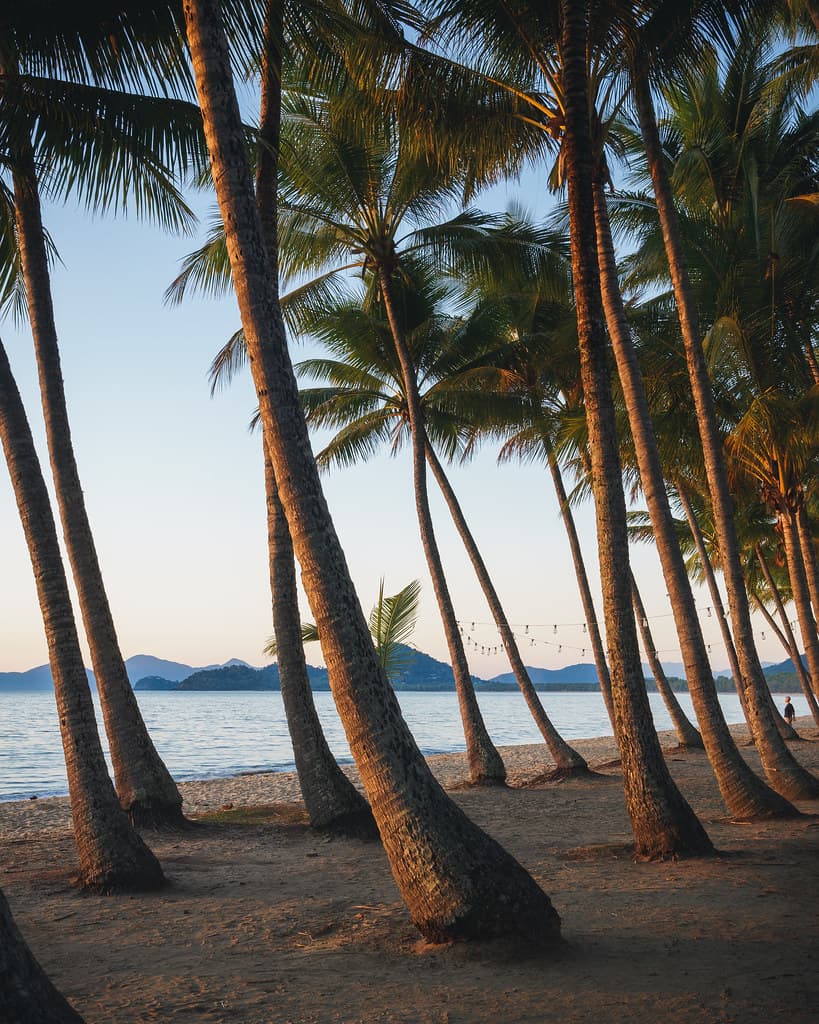
The flight from Cairns takes you over dozens of reef-ringed islands before touching down on Coconut Island's grass airstrip, where the humidity wraps around you like a warm towel. From there, it's a short walk through coconut groves to the beach, where the sand feels more powder than grain and the water shifts from turquoise to deep sapphire within a few strokes. You'll notice the silence first—no beach bars, no jet skis, just the rustle of palm fronds and the occasional cry of a Torres Strait pigeon. The reef sits close enough to wade out during low tide, though most visitors simply float in the shallows, watching schools of batfish gather in the shadows beneath overhanging trees. The local Kaurareg people have lived here for thousands of years, and their connection to these shores shows in the way they navigate the tides and harvest mud crabs from nearby mangroves. Bring everything you need: there's no shop selling forgotten sunscreen or cold drinks. The wet season from December to April brings afternoon downpours that clear as quickly as they arrive, but the water stays warm year-round. Pack insect repellent for dawn and dusk, when sandflies emerge from the vegetation, and check tide tables before planning your swim—the difference between high and low can expose fifty meters of reef shelf.
Places, rentals, tours and events within walking and driving distance of Coconut Island Beach.
Photos
Swimming conditions at remote Queensland beaches vary throughout the year. During the warmer months (November to May), marine stingers including box jellyfish can be present in tropical waters, so protective clothing is recommended. Always check current conditions before entering the water. The beach's remote location means there are no lifeguard patrols or safety flags, so swim at your own risk. Be aware of tides, currents, and potential marine life. It's advisable to swim with others and inform someone of your plans when visiting isolated beaches.
Coconut Island Beach can be visited year-round, with each season offering different advantages. The dry season (May to October) typically provides more comfortable conditions with lower humidity, less rainfall, and calmer seas, making it ideal for beach activities. The wet season (November to April) brings higher temperatures and occasional tropical storms but fewer visitors. Water temperatures remain warm throughout the year. Consider visiting during the shoulder seasons (April-May or September-October) for pleasant weather and optimal conditions while avoiding peak tourist periods.
Accessing Coconut Island Beach requires boat transportation, as Coconut Island is only accessible by water. You'll need to arrange private boat transport or charter services from nearby mainland ports in Queensland. There is no vehicle access or parking on the island itself. Plan your visit carefully, including return transportation, as public ferry services may be limited or non-existent. Contact local tour operators or marinas on the mainland for current access options. The remote nature of the island means advance planning is essential for any visit.
Coconut Island is a remote location with minimal to no commercial facilities, amenities, or accommodation directly on the island. Visitors should come fully prepared with all necessary supplies including food, water, sun protection, and safety equipment. There are no restaurants, shops, or public facilities available. For accommodation and dining options, you'll need to stay on the Queensland mainland and arrange day trips to the island. Always pack out everything you bring to preserve the pristine natural environment and practice Leave No Trace principles during your visit.
Coconut Island Beach stands out for its exceptional remoteness and unspoiled natural character, offering a genuine escape from crowded tourist beaches. The island's isolation means you may have the entire beach to yourself, providing a rare opportunity for solitude and connection with nature. The pristine surroundings remain largely untouched by commercial development, showcasing Queensland's coastal environment in its natural state. This remoteness creates a more adventurous beach experience compared to easily accessible mainland beaches, appealing to travellers seeking authentic wilderness experiences and peaceful natural settings.