Counting the waves…
Counting the waves…

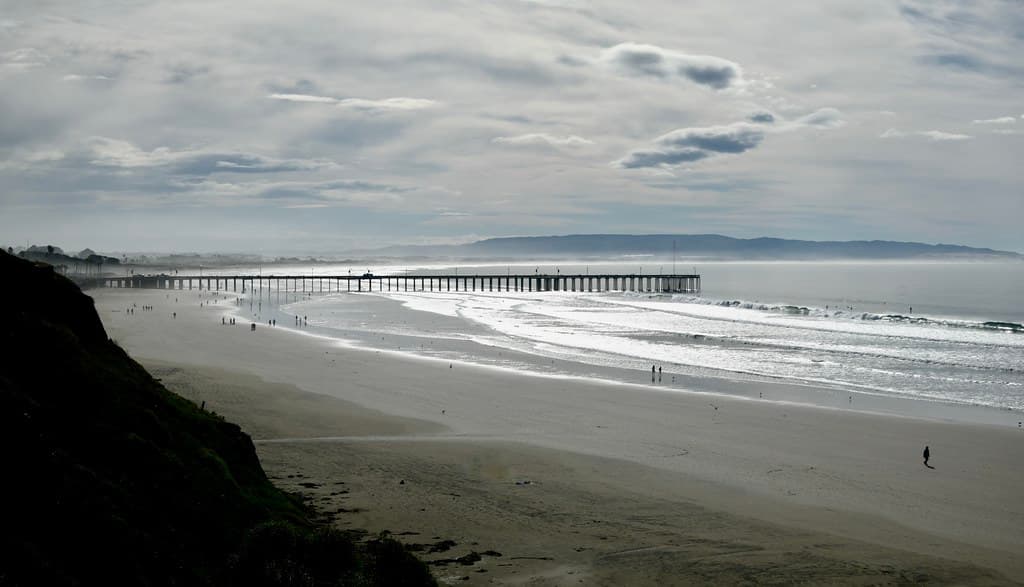
You'll smell Coen Beach before you see it: that briny mix of seaweed, eucalyptus, and the faint diesel tang from the roadhouse a few kilometers back. The turn-off is easy to miss if you're charging north toward the Tip, but locals know this low-key foreshore as the place to shake off highway dust. The sand here runs coarse and pale, bordered by pandanus and she-oak that rattle in the trade winds. At low tide, the water retreats hundreds of meters, leaving behind shallow pools warm enough to lie in like a bath. Families sprawl under the shade cloth at the basic picnic shelter, unpacking Eskies packed in Cooktown. Kids wade through ankle-deep water chasing gobies while parents scan the mangrove line for jabiru or brolga. The beach doesn't boast postcard perfection—there are no lifeguards, no kiosks, no WiFi—but that's precisely the appeal. You're here because the road demanded a pause, and this scruffy pocket of coast obliges without fanfare. By late afternoon, the light turns honeyed, gilding the spinifex and catching the ripples left by the outgoing tide. You'll spot a local or two launching a tinny, heading out for a quick fish before dark. Pack out what you pack in, keep an eye on croc warning signs near the river mouth, and don't expect mobile reception. Coen Beach rewards the unhurried—those willing to trade polish for solitude and a place to simply breathe between one red-dirt mile and the next.
Places, rentals, tours and events within walking and driving distance of Coen Beach.
Photos
Swimming conditions at Coen Beach should be approached with caution. Like many remote far north Queensland beaches, it's important to be aware of marine stingers (jellyfish) during the wet season, typically November to May. Crocodiles can inhabit coastal areas in this region, so always observe warning signs and avoid swimming if crocodile alerts are posted. The beach is generally calm, but check local conditions and seek advice from Coen locals or visitor information before entering the water, especially if travelling with children.
The dry season from May to October offers the best conditions for visiting Coen Beach, with clear skies, lower humidity, and minimal rainfall. Temperatures are comfortable, typically ranging from 20-30°C. The wet season (November to April) brings heavy rains that can make access roads challenging or impassable, and marine stinger season coincides with this period. Most travellers visit during the dry season when road conditions are reliable and outdoor activities are most enjoyable throughout Cape York Peninsula.
Coen Beach is located approximately 15 kilometres east of Coen township off the Peninsula Development Road. Access requires a 4WD vehicle, particularly during or after wet weather when tracks can become difficult. From Coen, follow local signage or ask for directions in town, as roads may not be clearly marked. Parking is informal and limited near the beach access points. Ensure your vehicle is suitable for unsealed roads and always travel prepared with recovery equipment when exploring remote Cape York locations.
Coen Beach itself has no facilities, so visitors must be completely self-sufficient. The nearby town of Coen, 15km away, offers basic services including a general store, fuel station, pub, and limited accommodation options such as a caravan park and basic motel. Stock up on food, water, and supplies in Coen before heading to the beach. There are no restaurants at the beach, so bring everything you need for your visit, including drinking water, food, and sun protection.
Coen Beach stands out as one of the few accessible coastal spots for travellers heading through Cape York's interior. While most Cape York attractions focus on rugged wilderness and 4WD tracks, this beach offers a peaceful coastal retreat between the long inland drives. It's particularly valued by overlanders as a scenic rest stop offering a complete change of landscape from the bushland surroundings. The beach remains relatively unknown and uncommercialised, providing an authentic, secluded coastal experience far from tourist crowds.