Counting the waves…
Counting the waves…

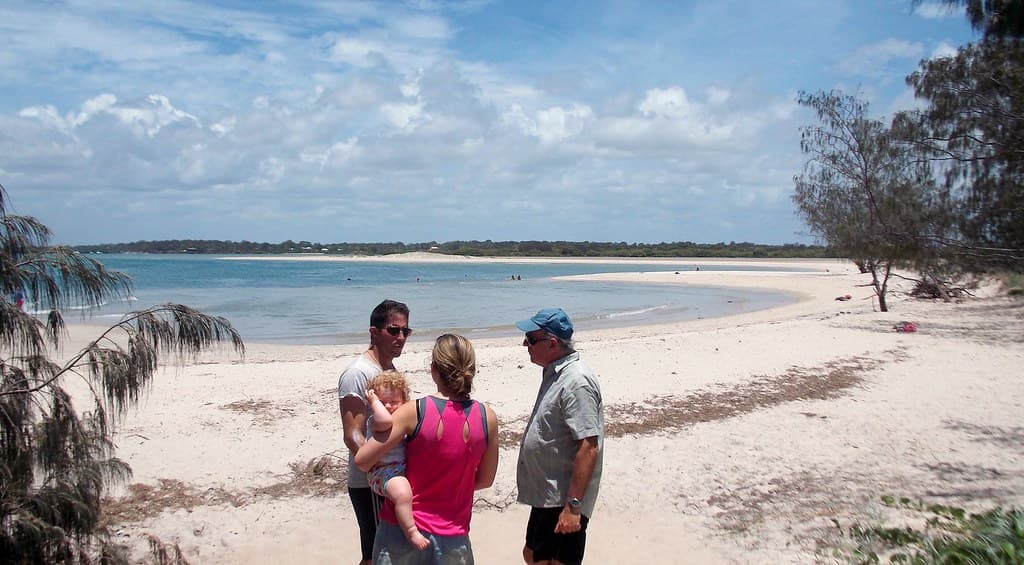
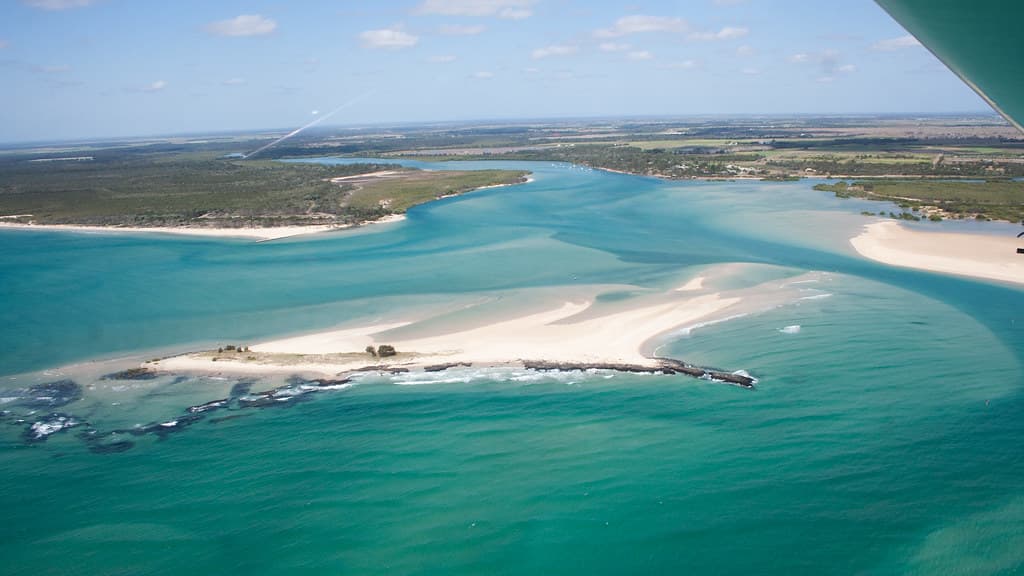
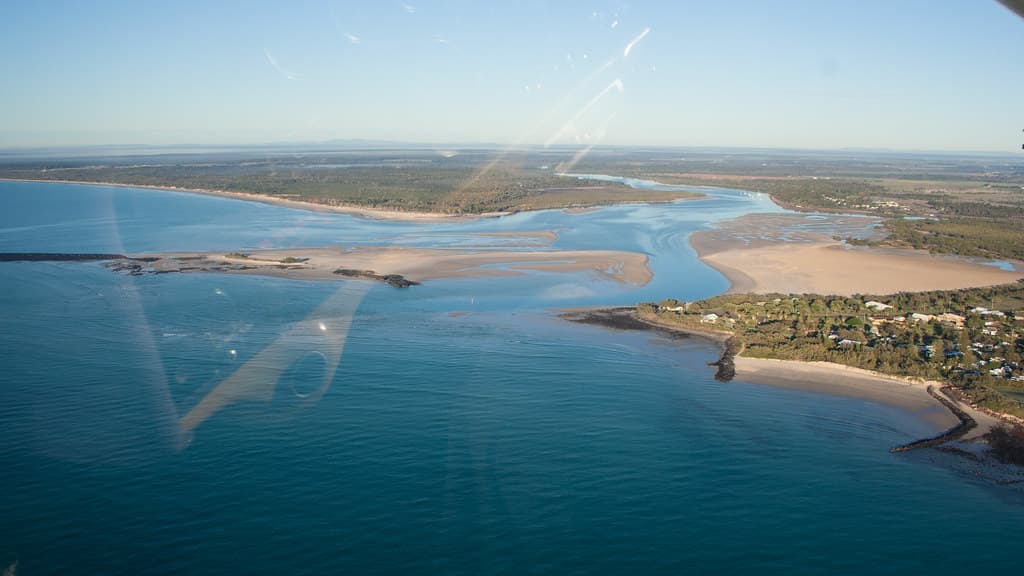
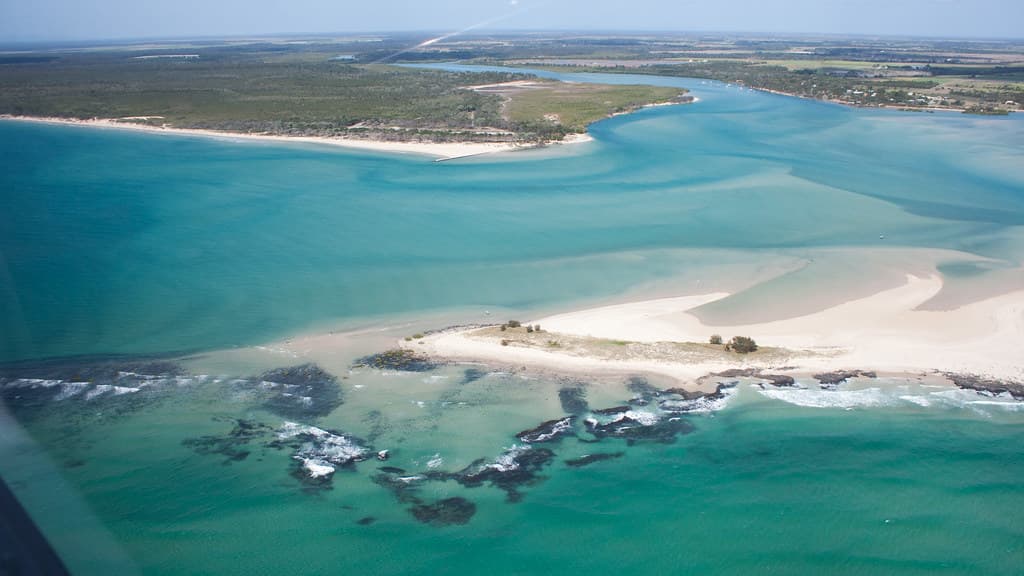
Coonarr Beach doesn't announce itself. There's no car park kiosk, no flags, no beach-shack queue for fish and chips. Instead, you navigate a sandy track through coastal scrub until the Bundaberg coastline opens wide—a tawny shore backed by low dunes and she-oak, the kind of place where solitude feels like the main attraction. Locals drive their four-wheel-drives right onto the firm sand near the high-tide mark, unload the esky, and let their dogs sprint into the shorebreak. The beach walk south takes you past scattered driftwood and the occasional beached jellyfish, the surf rolling in steady but gentle enough for a swim when the northeasterlies ease. Overhead, pelicans glide in formation; offshore, you might spot a turtle surfacing between sets. There's no shade except what you bring, so most visitors plant a beach umbrella and settle in for hours, lulled by the white noise of waves. What Coonarr offers isn't drama—it's breathing room. You'll share the sand with fishing rods stuck upright in the beach, a handful of walkers, and not much else. Pack everything in, pack everything out, and let the space do the rest.
Places, rentals, tours and events within walking and driving distance of Coonarr Beach.
Photos
Coonarr Beach is an unpatrolled beach, meaning there are no lifeguards on duty. Swimming conditions can vary significantly with tides, currents, and weather patterns typical of this remote Queensland coastline. If you plan to swim, do so cautiously, stay close to shore, and never swim alone. Check local conditions before entering the water and be aware of potential rips and marine life. The beach's remoteness means help may not be immediately available in emergencies, so exercise extra caution.
Coonarr Beach can be enjoyed year-round thanks to Queensland's mild coastal climate. Winter months (June-August) offer comfortable temperatures, lower humidity, and excellent conditions for beach walks, though water may be cooler. Summer (December-February) brings warmer ocean temperatures ideal for swimming but can be humid with occasional storms. Spring and autumn provide pleasant middle-ground conditions. For solitude and wildlife spotting, early mornings and weekdays are typically quietest. The beach's south-facing orientation means it's generally more sheltered than exposed northern beaches.
Coonarr Beach is located south of Elliott Heads, approximately 30 minutes' drive from Bundaberg. Access is via Coonarr Beach Road, which leads to the beach from the main coastal route. Parking is available at the beach access point, though facilities are basic given the beach's remote character. The unsealed sections of road may require caution, especially after rain. A 2WD vehicle can typically access the main parking area, but always check current road conditions. The relative isolation means you should arrive prepared with supplies.
Coonarr Beach is remote with minimal facilities directly at the beach. There are no cafes, shops, or restaurants at the beach itself, so bring your own food, water, and supplies. The nearest services are in Elliott Heads (a few kilometres north) or Bundaberg (approximately 30 minutes away), where you'll find supermarkets, cafes, and fuel. Accommodation options are limited locally but available in Elliott Heads and more extensively in Bundaberg, including hotels, motels, and holiday parks. Plan to be self-sufficient for your beach visit.
Yes, Coonarr Beach is known for being dog-friendly, making it particularly popular with local pet owners. This is one of the beach's key attractions for visitors travelling with dogs. However, standard responsible pet ownership applies: keep dogs under effective control, clean up after them, and be mindful of wildlife and other beach users. Check current Bundaberg Regional Council regulations before visiting, as dog access rules can change. The beach's spacious, uncrowded nature means dogs typically have plenty of room to exercise safely.