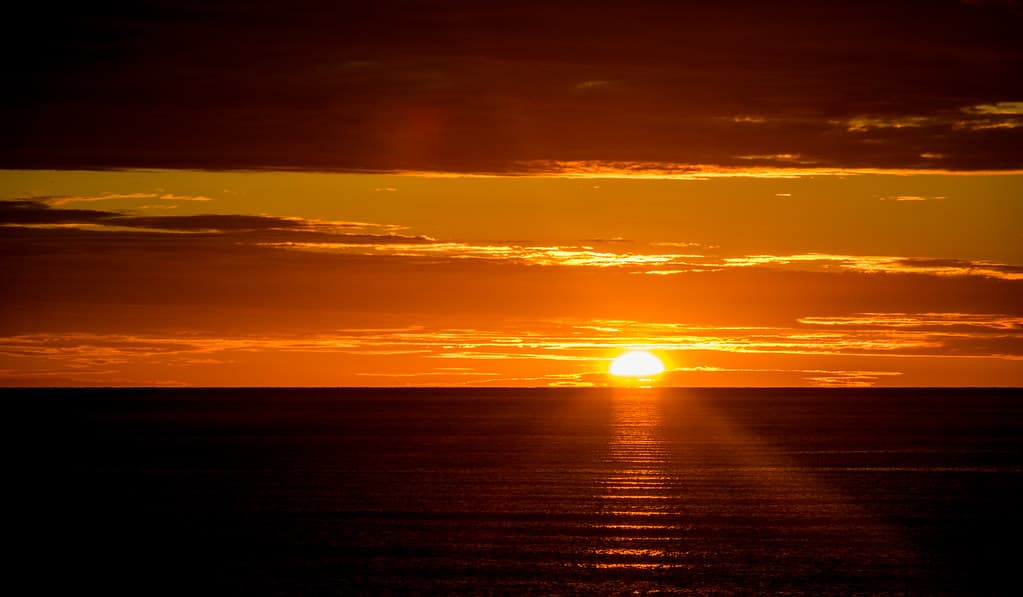
Counting the waves…
Counting the waves…

The Coral Sea rolls in here with a lazy persistence, smoothing the sand into firm ribbons that hold your footprints only until the next tide. Cooya Beach sits just north of the Daintree delta, where freshwater meets salt and the light takes on a silvery quality you won't find further south. You're standing on Country that the Kuku Yalanji have fished and foraged for millennia—and if you're lucky, you might join a guided walk where elders teach you to read the waterline for mud crabs and cast nets the old way. The beach itself refuses to perform. No lifeguard towers, no kiosks selling overpriced coconuts, no Instagram murals. Just buttonwood she-oaks leaning landward in the prevailing wind, their needles whispering against the drone of cicadas. At low tide, shallow pools warm in the sun and small stingrays glide over the sand like shadows. The water stays calm most days—the Great Barrier Reef absorbs the ocean's tantrums offshore—but during the wet season, the sea delivers jellyfish, so you'll swim in a stinger suit or not at all. You'll share this stretch with fishermen checking hand lines at dawn, the occasional dog chasing ghost crabs, and couples who've driven up from Port Douglas seeking a shoreline that doesn't charge for solitude. By mid-afternoon, the heat thickens and the only sounds are waves folding onto sand and the call of a lone osprey hunting the shallows.
Places, rentals, tours and events within walking and driving distance of Cooya Beach.
Photos
Cooya Beach is generally calm and suitable for swimming, but it's an unpatrolled beach, so caution is essential. The water is typically clear with gentle waves, making it safer than many exposed beaches. However, always check conditions before entering, be aware of marine stingers during jellyfish season (November to May), and wear a stinger suit during these months. Crocodiles inhabit tropical North Queensland waters, so observe warning signs and avoid swimming at dawn, dusk, or in murky water. Never swim alone at unpatrolled beaches.
Cooya Beach is accessible year-round, with each season offering different experiences. The dry season (May to October) brings sunny skies, lower humidity, and comfortable temperatures, ideal for beach visits and photography. The wet season (November to April) can bring afternoon storms and higher stinger presence, requiring protective swimwear. Winter months (June to August) offer the most pleasant weather with warm days and cooler evenings. Early mornings and late afternoons provide the best light for the beach's scenic beauty regardless of season.
Cooya Beach is located approximately 15 minutes north of Port Douglas along Captain Cook Highway. Turn onto Cooya Beach Road and follow it to the beach access point. The beach has a small, unpaved parking area near the shoreline that can accommodate several vehicles. The road is generally accessible by regular vehicles in dry conditions, though a 4WD may be preferable after rain. Public transport doesn't service this area, so a rental car or taxi is necessary. The turnoff is clearly marked from the highway.
Cooya Beach has no commercial facilities, amenities, or food vendors on-site. There are no toilets, showers, picnic tables, or shelter structures, so come fully prepared with water, food, and sun protection. The nearest services are in Port Douglas, 15 minutes south, where you'll find supermarkets, restaurants, cafes, and accommodation ranging from resorts to holiday rentals. Pack out all rubbish, as there are no bins. For extended beach days, bring shade equipment, as natural shade is limited along this exposed coastline.
Cooya Beach offers a quieter, more secluded alternative to the busier Four Mile Beach in Port Douglas. Its relatively undeveloped shoreline attracts fewer tourists, providing an authentic, peaceful beach experience popular with locals and couples seeking tranquility. The beach is also culturally significant as part of the traditional lands of the Kuku Yalanji people, and nearby Cooya Creek offers indigenous cultural experiences including traditional fishing tours. The beach's raw, natural beauty and lack of commercial development create a genuine escape from typical tourist areas.