
Counting the waves…
Counting the waves…

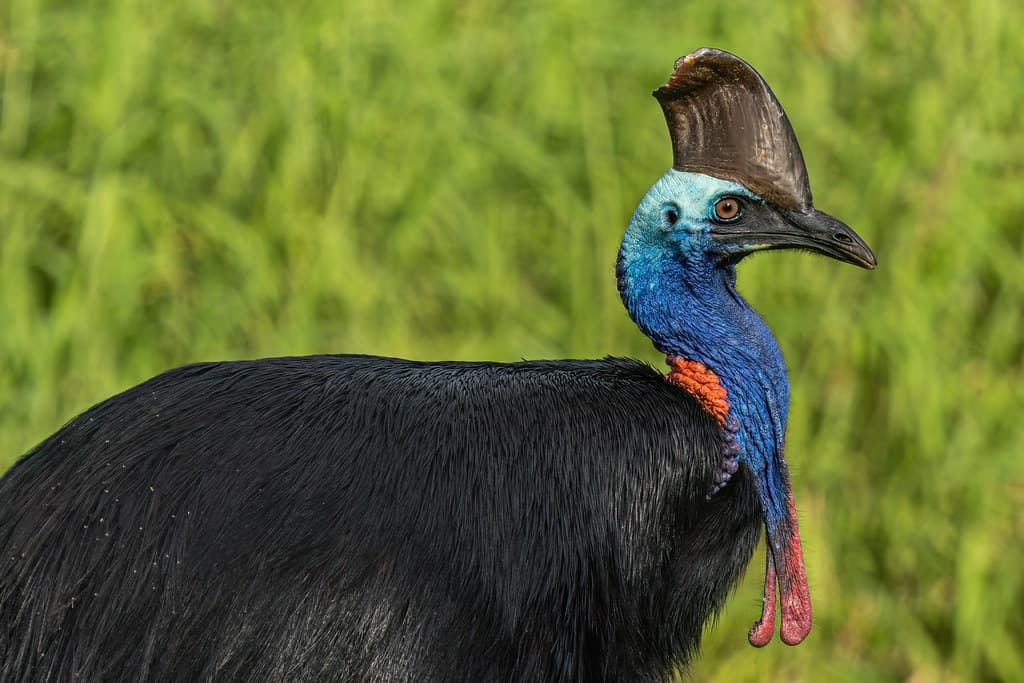
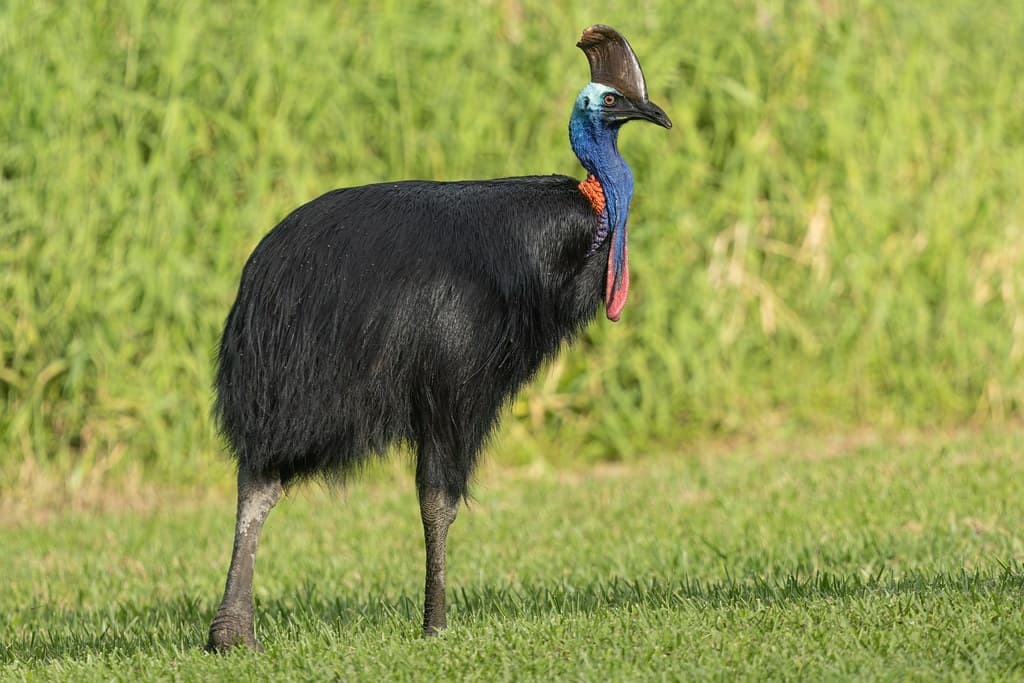
Etty Bay occupies a narrow slot where the Wet Tropics rainforest meets the Coral Sea, fifty kilometers north of Mission Beach. You park beneath shaggy paperbarks and step straight onto pale sand that curves for barely four hundred meters between rocky headlands. Families wade into the protected shallows while you scan the tree line, half-expecting the electric-blue neck and prehistoric casque of a southern cassowary to emerge from the she-oak shadows. Dawn and late afternoon bring the highest odds; some mornings you'll watch one of these flightless birds pacing the wrack line, tossing fallen fruit with its beak, utterly indifferent to your telephoto lens. The beach itself stays calm year-round thanks to offshore reefs that tame the swells, making it a favorite for toddlers splashing in knee-deep water and snorkelers exploring the rock platforms at either end. Behind you, campervans and sedans fill the small gravel lot; a single picnic shelter and a handful of tables anchor the grassy verge. No cafés, no kiosks—just the rustle of pandanus and the occasional kookaburra laughing from the canopy. You come here for the cassowaries first, but you linger for the simplicity: soft sand underfoot, water the temperature of bathwater, and the knowledge that a living dinosaur might wander past before you finish your thermos of tea. The beach empties by lunchtime, leaving you the shore, the shade, and the faint possibility of feathers in the forest.
Places, rentals, tours and events within walking and driving distance of Etty Bay.
Photos
Etty Bay is generally safe for swimming year-round, with calm, protected waters ideal for families. However, marine stingers (jellyfish) are present in tropical waters from November to May, so wearing a stinger suit is strongly recommended during these months. Always swim between the flags when lifeguards are present and check local conditions before entering the water. The beach has a gently sloping sandy bottom, making it suitable for children, but supervise young swimmers at all times and be aware of changing tides.
Etty Bay can be visited year-round, with each season offering different advantages. The dry season (May to October) features pleasant temperatures, lower humidity, and reduced stinger presence, making it ideal for swimming. The wet season (November to April) brings lush rainforest scenery and fewer crowds, though you'll need stinger protection and may encounter afternoon rain. Cassowaries can be spotted throughout the year, though early morning visits any time of year increase your chances of sightings along the beach and adjacent rainforest.
Etty Bay is located approximately 25 kilometres south of Innisfail and 90 kilometres north of Mission Beach along the Cassowary Coast. From the Bruce Highway, take the Etty Bay turn-off and follow Etty Bay Road for about 5 kilometres through rainforest to reach the beach. Free parking is available at the beachfront car park, which has limited spaces and can fill quickly during peak times and holidays. The drive from Cairns takes around 90 minutes. No public transport services the beach directly.
Etty Bay has basic facilities including toilets, picnic tables, and BBQ areas at the beachfront reserve, but no cafes, shops, or restaurants directly at the beach. The nearest services are in the small township of Innisfail, about 25 kilometres north. Limited accommodation options exist nearby, including caravan parks and holiday rentals in the surrounding area. Visitors should bring their own food, drinks, and supplies. The closest town with comprehensive amenities, including supermarkets and restaurants, is Innisfail.
Etty Bay is renowned as one of Australia's most reliable locations for cassowary sightings, particularly during early morning and late afternoon. These critically endangered birds frequently forage along the beach and rainforest edges. While sightings aren't guaranteed, many visitors report seeing cassowaries, especially if patient and quiet. Always maintain a safe distance of at least 5 metres—cassowaries are wild, powerful birds and can be dangerous if approached or threatened. Never feed them, and keep dogs leashed as they can trigger aggressive responses.