Counting the waves…
Counting the waves…

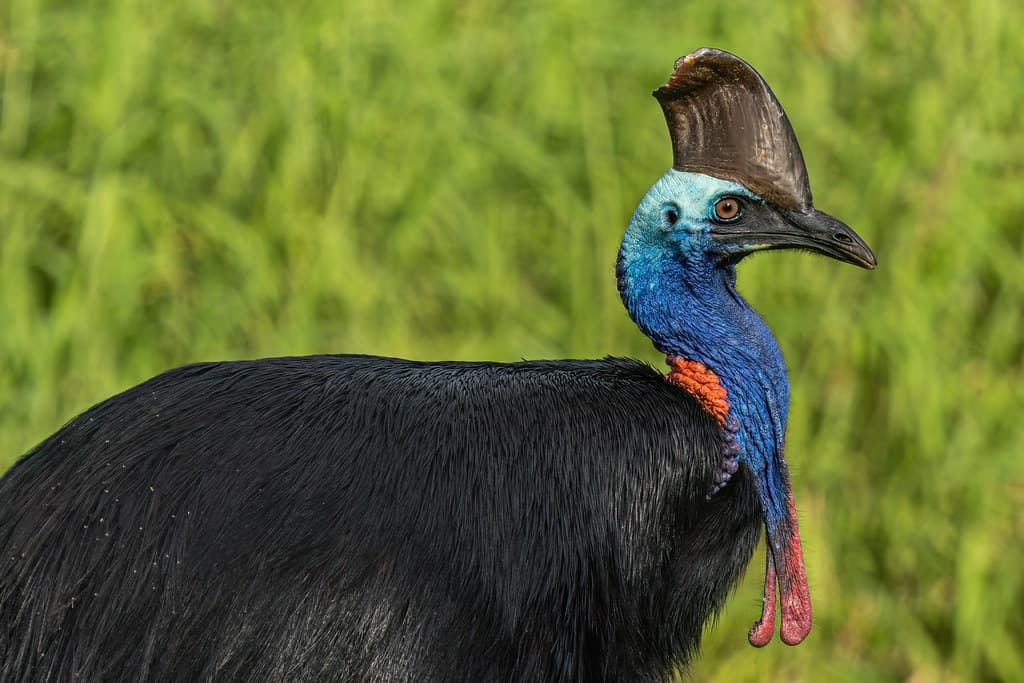
The southern stretch of Etty Bay exists in deliberate anonymity. While the main beach five hundred metres north draws families to its picnic tables and designated swimming zone, this quieter cousin reveals itself only to those willing to bump along a rough coastal access road. Dark volcanic sand meets water the colour of green tea, stained by tannins leaching from the Wet Tropics rainforest that crowds right to the high-tide mark. You'll share this shoreline with more wildlife than people. Southern cassowaries—those prehistoric, helmet-crested birds standing as tall as your chest—emerge from the paperbark thickets in early morning and late afternoon, fossicking for quandongs and blue quandong drupes. Keep fifteen metres back; they're endangered, unpredictable, and equipped with dagger claws. Offshore, the protected waters of the Great Barrier Reef Marine Park begin just beyond the breakers, though visibility here rarely rivals the outer reefs. The beach curves gently for eight hundred metres before ending at a tangle of she-oak and mangrove. There are no facilities, no surf patrols, no mobile-food vans—just the hiss of small waves collapsing onto packed sand and the occasional thud of a coconut hitting the forest floor. Pack out everything you bring in, and check tide times; king tides erase the beach entirely, pushing saltwater into the root systems behind you.
Places, rentals, tours and events within walking and driving distance of Etty Bay South Beach.
Photos
Etty Bay South Beach is generally safe for swimming, with calmer waters than many Far North Queensland beaches. The bay's sheltered position provides natural protection from large swells. However, marine stingers (jellyfish) are present during stinger season (November to May), so wear protective stinger suits. Always check local conditions before entering the water, as currents can vary. The beach is unpatrolled, so swim at your own risk and stay close to shore. Crocodiles inhabit tropical Queensland waterways, though sightings at ocean beaches are rare.
Etty Bay South Beach can be visited year-round, with each season offering different advantages. The dry season (May to October) brings pleasant temperatures, lower humidity, and minimal rainfall—ideal for beach activities without stinger concerns. The wet season (November to April) features lush tropical scenery and fewer crowds, though you'll need stinger suits for swimming and should expect afternoon rain. Winter months (June-August) offer comfortable conditions with daytime temperatures around 25°C. Early mornings typically provide the calmest conditions and best wildlife viewing opportunities regardless of season.
Etty Bay South Beach is located approximately 90 minutes south of Cairns and 20 minutes from Innisfail via the Bruce Highway. Turn off at Etty Bay Road and follow it to the coast. The beach itself is accessed via local roads in the Etty Bay area, south of the main Etty Bay Beach. Parking is more limited than the main beach, typically along roadside areas. A 2WD vehicle is suitable for access. The quieter nature of this section means fewer facilities but also fewer visitors.
Etty Bay South Beach has minimal commercial facilities directly nearby, reflecting its quieter, less developed character. The small Etty Bay community has limited services. For supplies, restaurants, and fuel, head to Innisfail (approximately 20 minutes away), which offers supermarkets, cafes, and various dining options. Accommodation options in the immediate area are limited; visitors typically stay in Innisfail, Mission Beach (30 minutes south), or explore camping options in the region. It's advisable to bring food, water, and supplies with you for a beach day.
While Etty Bay is renowned for cassowary sightings—particularly at the main Etty Bay Beach—the South Beach section can also occasionally host these endangered birds, as they roam the coastal rainforest areas. Cassowaries typically forage along the beach and nearby vegetation, especially in early morning or late afternoon. If you encounter one, maintain a respectful distance of at least 10 meters, never feed them, and observe quietly. The entire Etty Bay area falls within important cassowary habitat, so wildlife sightings are possible throughout.