Counting the waves…
Counting the waves…

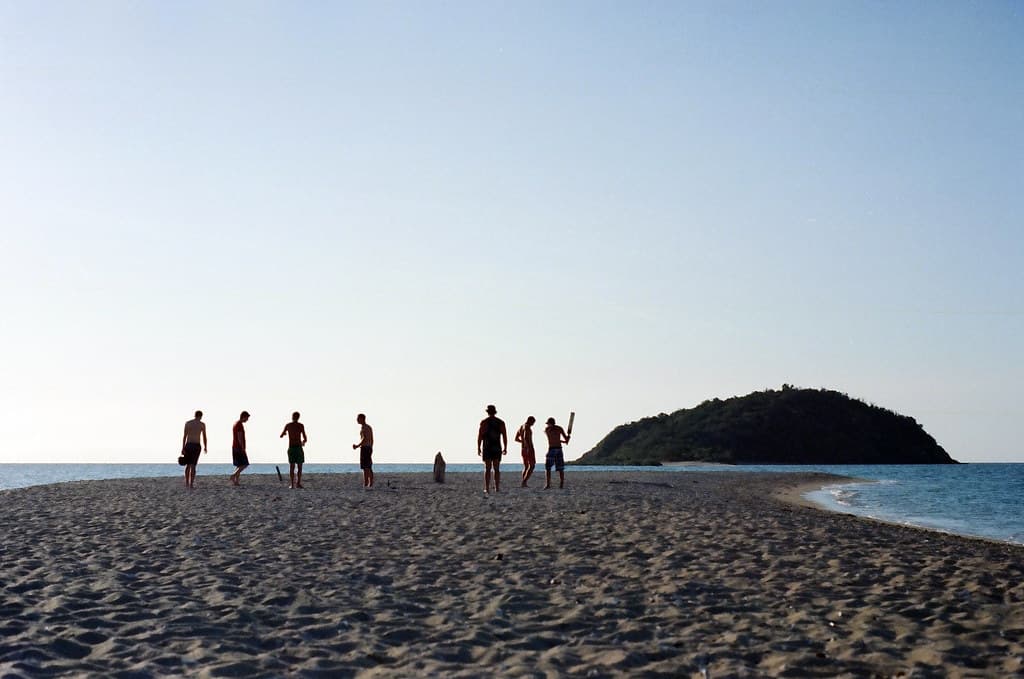
Hook Island rises from the Whitsunday Passage like a green fist, its flanks steep and forested, its bays fewer and wilder than neighbouring resorts. Crayfish Beach occupies a narrow crescent on the island's eastern flank, sheltered by granite bluffs that hold the morning light and keep the Coral Sea swell at bay. The sand is coarse, shell-flecked, the kind that squeaks underfoot. Behind you, scribbly gums lean over a slim margin of shade; ahead, the reef begins barely ten strokes from shore. You'll snorkel here without needing a guide—visibility runs eight to fifteen metres on calm days, and the coral gardens spread across shallow platforms punctuated by deeper channels. Staghorn and brain coral anchor the seabed; blue tangs, angelfish, and butterflyfish weave through. Turtles are common, grazing on seagrass beds just beyond the drop-off, indifferent to your presence. The water temperature hovers around twenty-four degrees Celsius year-round, warm enough to skip the wetsuit in summer. No jetty, no kiosk, no lifeguard tower. Crayfish Beach exists in the margins—visited by day-charter boats from Airlie Beach or private yachts anchoring in the bay. You'll share the sand with a handful of others at most, and by late afternoon, when the tenders depart, the beach returns to the goannas and the tide.
Places, rentals, tours and events within walking and driving distance of Crayfish Beach.
Photos
Crayfish Beach generally offers calm, protected swimming conditions within its sheltered cove, making it suitable for most visitors. The beach's location provides natural protection from strong currents. However, always check weather conditions before your visit, as tropical storms can create rough seas. Stinger suits are recommended during jellyfish season (November to May). The reef areas are ideal for snorkeling, but wear reef shoes to protect against sharp coral and rock surfaces. There are no lifeguards on duty, so swim within your abilities and never snorkel alone.
Crayfish Beach can be visited year-round, though the dry season (May to October) offers the most consistently pleasant weather with calm seas and excellent visibility for snorkeling. Water temperatures remain warm throughout the year, ranging from 23°C in winter to 29°C in summer. The wet season (November to April) brings higher humidity, occasional tropical rain, and increased jellyfish presence, requiring protective clothing for swimming. For optimal snorkeling conditions and comfortable temperatures, plan your visit between June and September when skies are typically clear and winds are lighter.
Crayfish Beach is only accessible by boat, as Hook Island is part of the Whitsunday Islands and has no road access or parking facilities. Most visitors arrive via day tour operators departing from Airlie Beach or Shute Harbour on the mainland, typically as part of snorkeling or island-hopping excursions. Private yacht charters and bareboat rentals also visit the beach, anchoring in the protected bay. Some tour operators offer specific stops at Crayfish Beach for swimming and reef exploration. The journey from Airlie Beach takes approximately 45-60 minutes depending on vessel type and sea conditions.
Crayfish Beach is a natural, undeveloped beach with no facilities, restaurants, or permanent accommodation. Visitors must bring all supplies including food, water, and snorkeling equipment, though many tour operators provide these. There are no toilets, shade structures, or shops on the beach. The nearest accommodation options are at other Whitsunday Islands or back on the mainland in Airlie Beach. Most visitors experience Crayfish Beach as a day-trip destination. Pack out all rubbish to preserve the pristine environment, and bring reef-safe sunscreen to protect the surrounding coral ecosystem.
Crayfish Beach offers exceptional fringing reef snorkeling right from the shoreline, allowing easy access to vibrant coral gardens without needing to venture far from the beach. The protected cove creates calm, clear waters with excellent visibility, making it ideal for beginners and experienced snorkelers alike. The shallow reef systems host diverse marine life including colorful tropical fish, sea turtles, and various coral species. Unlike some busier Whitsunday locations, Crayfish Beach typically sees fewer visitors, providing a more intimate reef experience. The combination of accessible reefs and scenic beach backdrop makes it particularly popular with underwater photographers.