Counting the waves…
Counting the waves…

Langford Island is the Whitsundays' open secret—a sliver of bleached coral sand no more than three hundred metres long, marooned in the middle of the lagoon between Hook and Hayman islands. At low tide, the surrounding reef platform emerges, and you can walk out across ankle-deep water in every direction, the sand beneath your feet so pale it stings your eyes even through sunglasses. Stingrays glide past your shins; you'll spot their shadows before you see the animals themselves. Most visitors arrive mid-morning aboard sailing catamarans or powerboats from Airlie Beach, anchoring just offshore and wading the final twenty metres through bath-warm shallows. The island itself offers zero infrastructure—no shade, no facilities, nothing but sand and a few hardy shrubs clinging to the centre. Bring everything you need in a dry bag, including a wide-brimmed hat; the equatorial sun is unforgiving. The snorkelling here rivals anywhere else in the archipelago. Swim out from the eastern shore toward the drop-off, where the reef wall plunges into deep blue. Maori wrasse hover near the coral ledges, curious and unafraid. Green turtles surface for air, close enough to hear them exhale. By mid-afternoon, the day-trippers depart, and if you've chartered a private boat, you'll have the sandbar entirely to yourselves, the only sound the gentle lap of water reshaping the shoreline with each tide.
Places, rentals, tours and events within walking and driving distance of Langford Island Beach.
Photos
Langford Island Beach generally offers safe swimming conditions in the protected waters surrounding this sandy cay. The calm, shallow lagoon is ideal for snorkeling and swimming, with minimal currents in most conditions. However, being part of the Great Barrier Reef Marine Park, you should be aware of marine stingers (jellyfish) during November to May—wear a stinger suit during these months. Always check weather and tide conditions before visiting, as the cay's size changes dramatically with tides. No lifeguard services are available on this uninhabited island.
Langford Island can be visited year-round, though the dry season (May to October) offers the most pleasant conditions with lower humidity, calmer seas, and excellent visibility for snorkeling. Water temperatures remain warm throughout the year (23-29°C). The wet season (November to April) brings occasional tropical storms and higher marine stinger risk, requiring protective clothing for swimming. Visit during low to mid-tide when the sandbar is most expansive and photogenic. Early morning tours often provide the best light for photography and fewer crowds on this small cay.
Langford Island is only accessible by boat, as it's an uninhabited sand cay in the Whitsunday Islands. Most visitors join day tours departing from Airlie Beach or Hamilton Island, typically combined with snorkeling trips to the surrounding reef. Private yacht charters and bareboat rentals also visit the island. The journey takes approximately 1.5 to 2 hours from Airlie Beach. There are no facilities, docks, or parking on the island itself—boats anchor offshore and tender guests to the beach. Book tours in advance, especially during peak season.
Langford Island has no amenities, facilities, restaurants, or accommodation—it's a completely uninhabited sand cay. Visitors must bring everything they need, including food, water, sun protection, and snorkeling gear (though most tours provide equipment). There are no toilets, shade structures, or shops on the island. Day tour operators typically provide lunch, snacks, and refreshments as part of their packages. The nearest accommodation and dining options are on Hamilton Island or the mainland at Airlie Beach. Pack out all rubbish to preserve this pristine environment within the Marine Park.
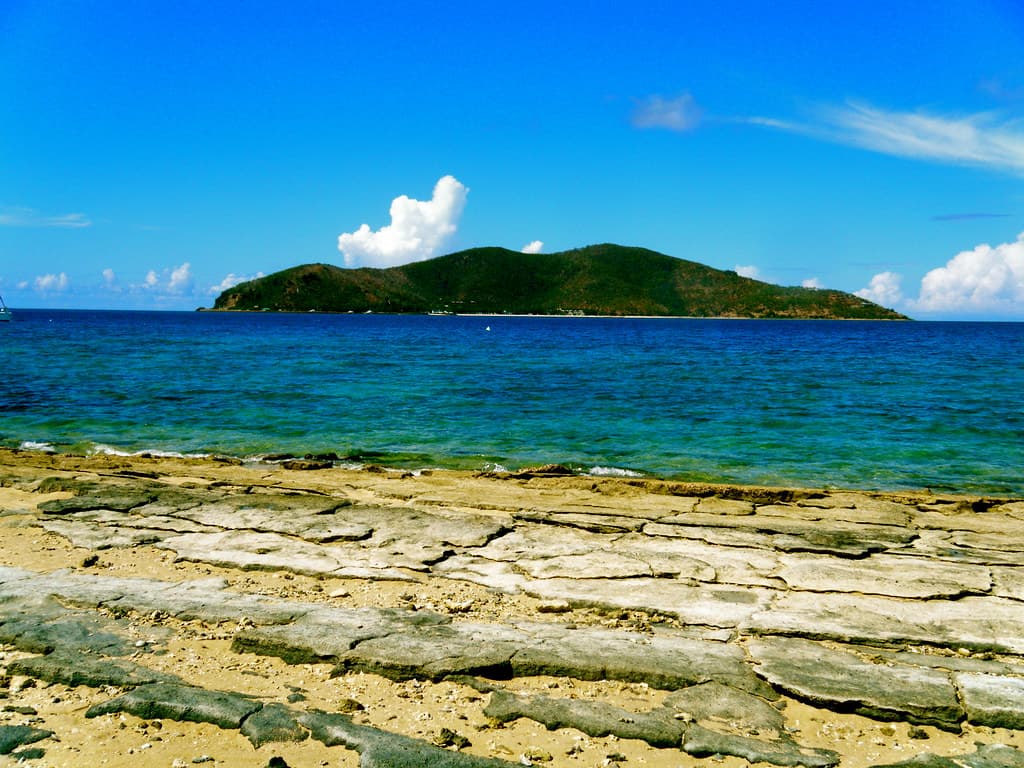
Langford Island is famous for its stunning crescent-shaped white sand spit that extends into the turquoise waters, creating one of the Whitsundays' most photographed natural features. At low tide, this narrow sandbar becomes dramatically pronounced, forming a perfect curved beach that appears to float in the ocean. The surrounding waters offer exceptional snorkeling with vibrant coral gardens and diverse marine life just meters from shore. The island's small size means you can walk its perimeter in minutes, and its position offers 360-degree views of the surrounding Whitsunday Islands and Great Barrier Reef.