Counting the waves…
Counting the waves…
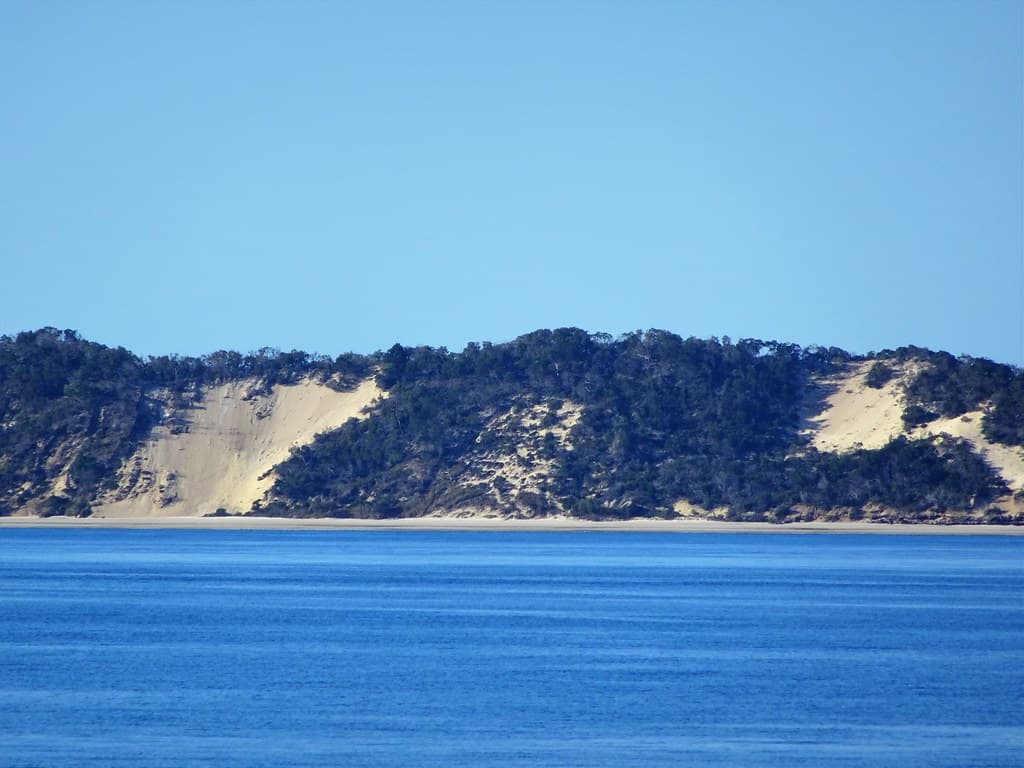
The dirt track leading to Hull Heads Beach winds past fibro cottages and boat trailers, ending at a sand-and-gravel parking area shaded by she-oaks. You step onto a beach that curves gently around the river mouth, its sand the color of raw sugar, coarser underfoot than the powder of tourist brochures. To your left, the headland rises in dark green folds of monsoon vine and hoop pine; to your right, the Hull River channel slices toward the Coral Sea, its edges stitched with mangroves. This is a beach shaped by tides and practicality. At low water, sandbars emerge across the river mouth, creating shallow pools where toddlers chase dart fish and hermit crabs. At high tide, the channel runs deep and swift—you'll see tinnies gunning upstream, returning from dawn fishing runs. The beach itself slopes quickly, and the shore break can pack a punch when the easterlies push in, but the protected northern end near the rocks offers calmer swimming. You won't find a surf club or patrolled flags here, just a cluster of local families who arrive with Eskies and folding chairs, planting themselves for the afternoon. The air smells of salt, outboard fuel, and the faint vegetal rot of the mangroves. Brahminy kites circle overhead, and if you time it right in the early morning, you might glimpse a cassowary stalking the forest edge, searching for fallen quandong fruit.
Places, rentals, tours and events within walking and driving distance of Hull Heads Beach.
Photos
Hull Heads Beach generally offers calmer swimming conditions than nearby Mission Beach, particularly in the protected areas near the boat ramp. However, like all tropical North Queensland beaches, marine stingers (jellyfish) are present during stinger season (November to May), so wear protective stinger suits. The beach is unpatrolled, so swim cautiously and avoid swimming alone. Crocodiles inhabit the region, so stay well away from creek mouths and murky water. Check local conditions before entering the water and supervise children closely at all times.
Hull Heads Beach is accessible year-round, with the dry season (May to October) offering the most comfortable conditions—lower humidity, minimal rainfall, and pleasant temperatures around 25°C. This period also falls outside stinger season, making swimming safer without protective suits. The wet season (November to April) brings afternoon storms and higher humidity but fewer crowds. For fishing enthusiasts, year-round opportunities exist, though barramundi season peaks during the wet months. Visit during winter months for optimal weather and outdoor activities.
Hull Heads Beach is located approximately 15 minutes north of Mission Beach via the Bruce Highway. Turn off at Bingil Bay Road/Hull Heads Road intersection and follow signs toward Hull Heads. The small coastal settlement has limited but free parking areas near the beach and boat ramp. Roads are sealed and suitable for regular vehicles. The nearest major town is Tully (25 minutes south). Public transport is extremely limited in this area, so having your own vehicle is essential for visiting this quieter beach destination.
Hull Heads is a small residential coastal village with very limited commercial facilities. You'll find basic amenities but no shops, restaurants, or major accommodation options directly at Hull Heads Beach. Most visitors stay in nearby Mission Beach (15 minutes south) or Tully, which offer supermarkets, restaurants, cafes, and diverse accommodation ranging from backpacker hostels to resorts. Pack supplies, food, and drinks before visiting, as the nearest services require a short drive. Some holiday rental properties are available in the Hull Heads area for self-catering stays.
Unlike the busier Mission Beach precinct, Hull Heads offers a genuinely quiet, local beach experience with minimal development and crowds. The beach features a popular boat ramp making it a favourite with fishing enthusiasts targeting barramundi and other species. The setting provides scenic views of Bedarra and Dunk Islands without the tourist infrastructure. It's ideal for visitors seeking solitude, beachcombing, and a authentic coastal village atmosphere. The lack of facilities means you'll enjoy a more pristine, uncommercialized Queensland beach experience compared to its southern neighbour.