
Counting the waves…
Counting the waves…

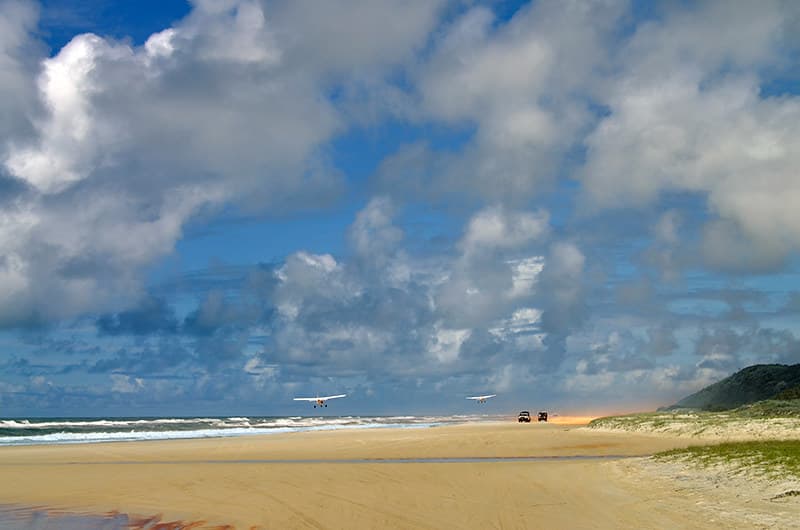
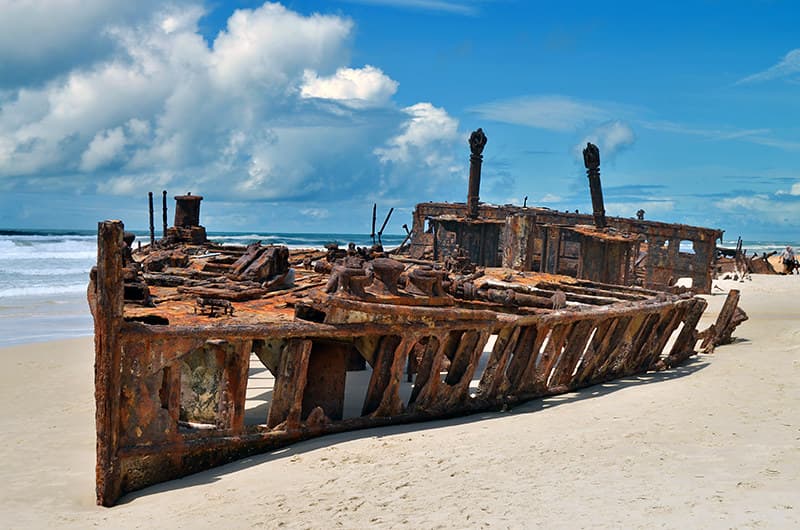
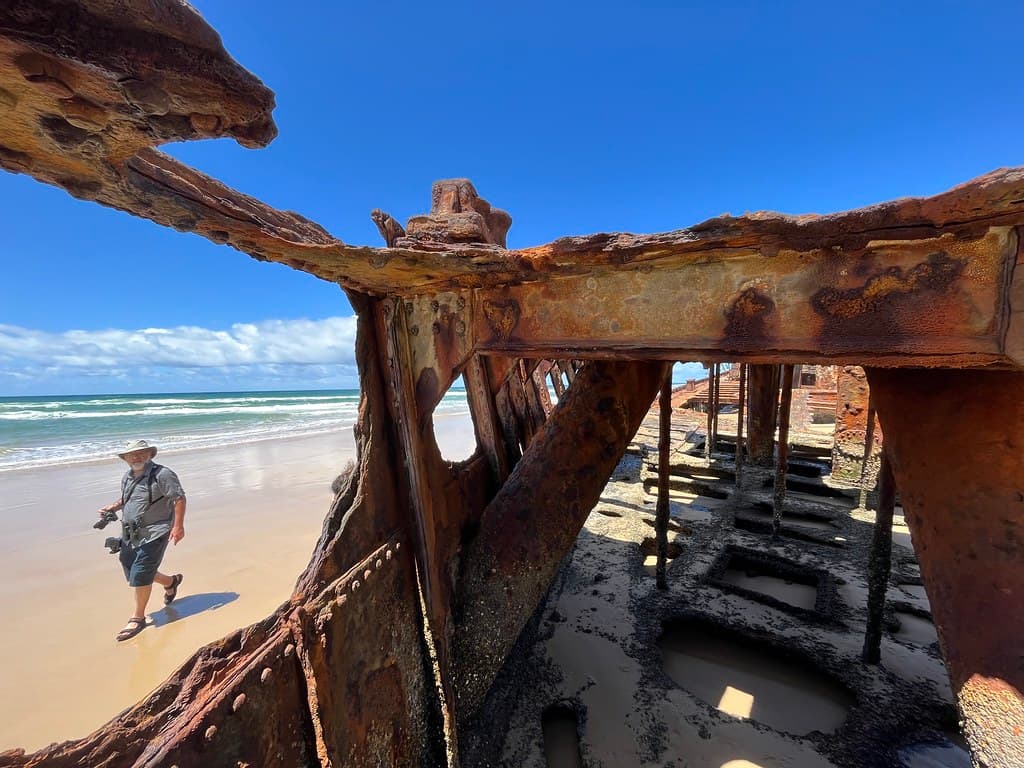
The moment your four-wheel-drive drops onto the compacted sand, you realize this isn't a beach in the conventional sense—it's a gazetted highway where aviation markers dot the shoreline and tide charts dictate your route. You'll share the corridor with tagged vehicles, intrepid campers, and the occasional light aircraft using the hard-packed sand as a runway. The ocean here is muscular and unforgiving, churning with riptides that render swimming a spectator sport. Rusty shipwrecks emerge from the surf like iron sculptures, their hulls testaments to the coast's untamed power. The forest presses close behind the primary dune system: blackbutt, scribbly gum, and satinay trees rising from sand that shouldn't support them. Dingoes patrol the tide line at dawn, their tracks stitching patterns alongside yours. You'll pass freshwater streams bleeding into the salt, their tannin-stained water carving temporary channels across the beach before the next tide erases them entirely. Driving requires constant vigilance—soft patches swallow wheels, incoming tides claim the unwary, and the nearest tow truck is a barge ride and several hours away. Yet there's a frontier thrill in piloting your vehicle where the continent surrenders to the Coral Sea, where navigation is measured in landmarks like the Maheno wreck and Eli Creek rather than street signs.
Places, rentals, tours and events within walking and driving distance of 75 Mile Beach.
Photos
Swimming at 75 Mile Beach is generally not recommended due to strong rip currents, unpredictable surf conditions, and the presence of sharks. The beach has no lifeguard patrols or protected swimming areas. Many visitors choose to wade in shallow water rather than swim. For safer swimming on K'gari, head to the island's freshwater lakes like Lake McKenzie or the sheltered Champagne Pools on the eastern coast, which offer calmer, supervised conditions.
75 Mile Beach can be visited year-round, with April to October offering the most comfortable conditions. These cooler, drier months feature pleasant temperatures (20-25°C), less humidity, and fewer marine stingers. Summer (December-February) brings heat, humidity, and occasional tropical storms that can make beach driving challenging. Winter offers excellent whale-watching opportunities as humpback whales migrate past the coast. Avoid school holiday periods for fewer crowds and easier beach driving conditions.
Access to 75 Mile Beach requires a 4WD vehicle, as it serves as the island's main highway. You'll need a vehicle access permit from Queensland Parks. Reach K'gari via vehicle barge from River Heads or Inskip Point on the mainland. There's no traditional parking—you drive directly on the hard-packed sand beach itself. Park above the high-tide line when stopping. Check tide times before traveling, as sections become impassable during high tide.
Accommodation options along 75 Mile Beach range from camping at designated beachfront sites to eco-resorts like Kingfisher Bay Resort and Eurong Beach Resort. Most lodges offer on-site restaurants and basic supplies. The island has limited dining options, so many visitors bring their own food. Small general stores at settlements like Eurong and Happy Valley sell essentials but at premium prices. Booking accommodation well in advance is essential, especially during peak seasons.
Yes, 75 Mile Beach functions as K'gari's primary thoroughfare and designated highway, with standard road rules applying. You must have a 4WD vehicle, valid vehicle access permit, and drive below the high-tide line on firm sand. The speed limit is 80 km/h, but conditions often require slower speeds. Watch for aircraft using the beach as a runway, pedestrians, and creek crossings. Always travel during low to mid-tide and carry a tide chart.