Counting the waves…
Counting the waves…

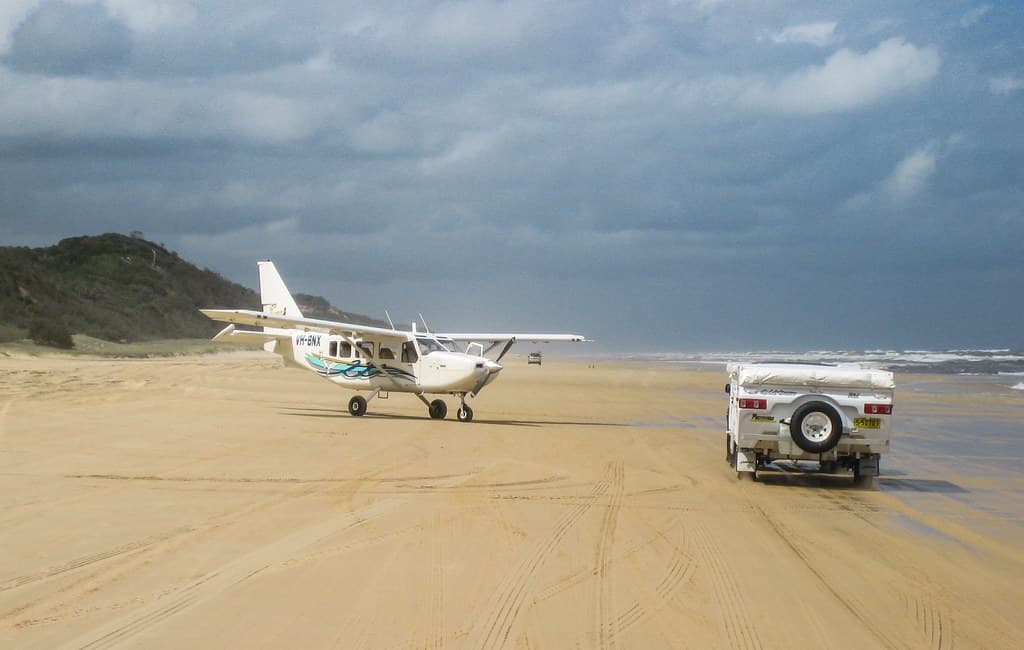
The moment you park on the hard-packed sand at low tide, you understand why Eurong Beach anchors every K'gari itinerary. This is the island's busiest stretch, where the surf beach also serves as the main coastal thoroughfare for four-wheel-drives threading between resorts, campsites, and inland lake tracks. The Eurong Beach Resort sits just meters from the tideline, casuarinas and banksias fringing the dunes that rise toward the island's interior rainforest. Swim only in the shallows near designated areas—strong currents and the occasional tiger shark patrol these waters, and there are no lifeguards. Most visitors wade knee-deep, letting the waves cool sun-warmed legs after hours driving the seventy-five-mile beach highway. The sand here is firm enough to land light aircraft, and you'll share the shoreline with tackle-clutching anglers casting for tailor and the rare convoy of tagged research vehicles. Eurong's appeal isn't solitude; it's infrastructure. The general store stocks ice, bait, and emergency fan belts. The bar pours cold beer within sight of breaking swells. You fuel your vehicle, refill water tanks, then continue north toward shipwrecks and champagne pools, knowing this utilitarian stretch of sand is the only place for a hundred kilometers where the wild island pauses long enough to let you catch your breath.
Places, rentals, tours and events within walking and driving distance of Eurong Beach.
Photos
Swimming at Eurong Beach is not recommended. K'gari's eastern beaches, including Eurong, have strong currents, unpredictable rips, and large waves that create dangerous conditions even for strong swimmers. The island's waters are also home to sharks and dangerous jellyfish during certain seasons. There are no lifeguards or protected swimming areas. Most visitors enjoy walking along the beach and whale watching instead. For safer swimming, head to the western side of the island where some calmer freshwater lakes and creeks offer better conditions.
Eurong Beach is accessible year-round, with each season offering different attractions. April to October provides milder temperatures, lower humidity, and ideal conditions for beach driving and whale watching (July to November). Summer (December to February) is hotter and wetter with occasional tropical storms, but still popular. Winter months offer comfortable daytime temperatures around 20-25°C. Avoid visiting during major holiday periods and school holidays when vehicle permits are harder to obtain and beaches become crowded. Always check tide times before driving along the beach.
Eurong Beach is accessible only by 4WD vehicle via barge from River Heads (near Hervey Bay) or Inskip Point (Rainbow Beach). You must obtain a vehicle permit before arrival. The beach itself serves as the main highway on K'gari's eastern coast, so you drive directly on the sand. Parking is available near Eurong Beach Resort and designated areas along the beach. Follow all beach driving regulations, watch for soft sand, and drive below the high-tide line on firm sand. Always check tide times to avoid getting stranded.
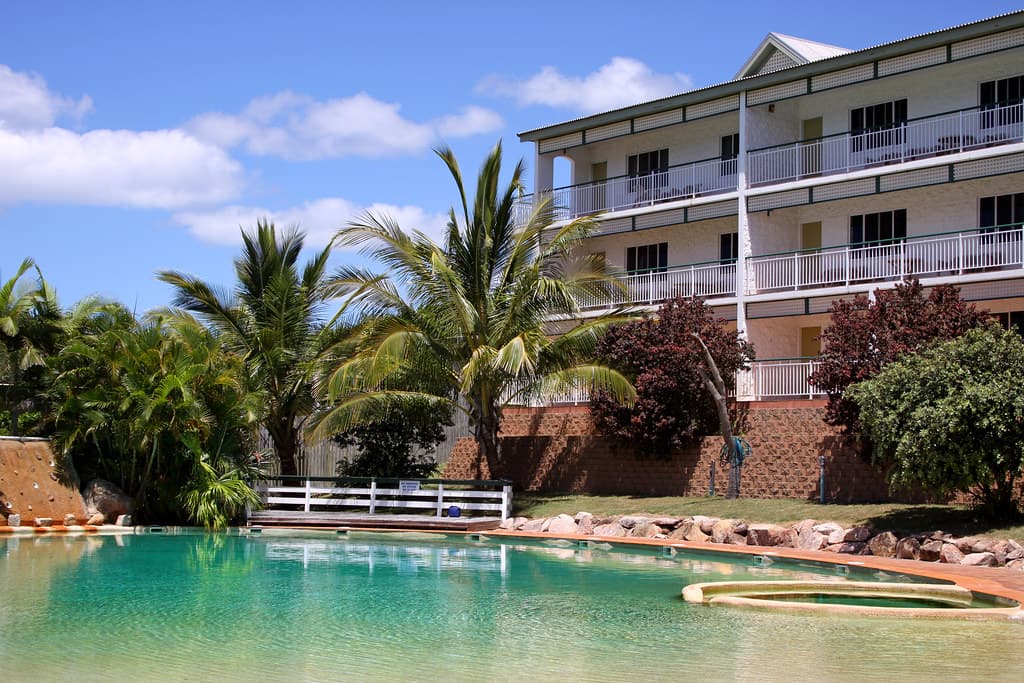
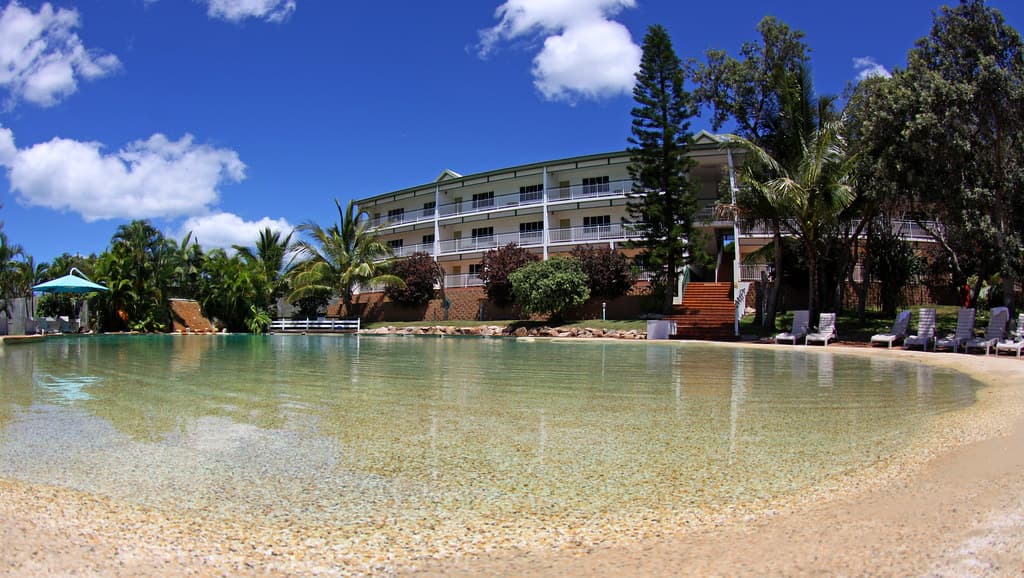
Eurong Beach Resort is the main hub, offering accommodation ranging from hotel rooms to self-contained apartments and houses. The resort has a restaurant, general store with groceries and fuel, and a bistro. The store stocks essential supplies, but prices are higher than mainland rates, so bringing provisions is recommended. Basic amenities include public toilets and picnic areas. Mobile reception is limited across K'gari. Several camping areas exist nearby with permit-only access. It's advisable to book accommodation well in advance, especially during peak seasons.
Yes, Eurong Beach serves as K'gari's primary eastern coastal thoroughfare. A 4WD vehicle and valid vehicle permit are mandatory. Speed limits are 80 km/h on beaches, reduced to 40 km/h near Eurong township. Drive on firm sand below the high-tide line, never above it where vehicles can get bogged. Watch for aircraft, as the beach is also used as a landing strip. Always travel with the tide and check tide charts—driving at high tide is extremely dangerous. Give way to aircraft and emergency vehicles.