Counting the waves…
Counting the waves…

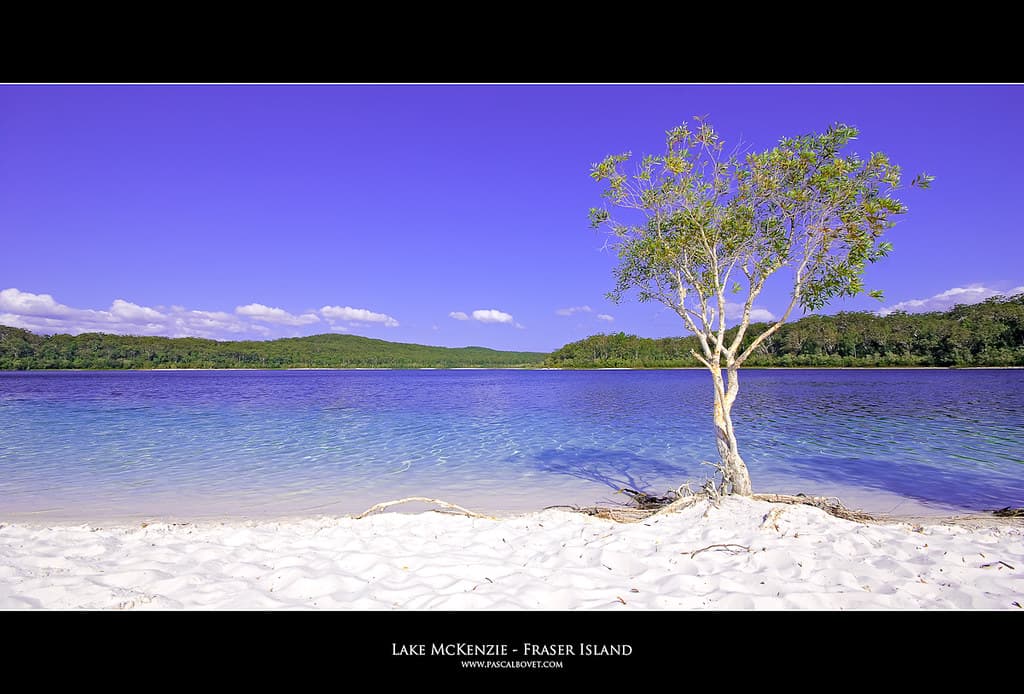
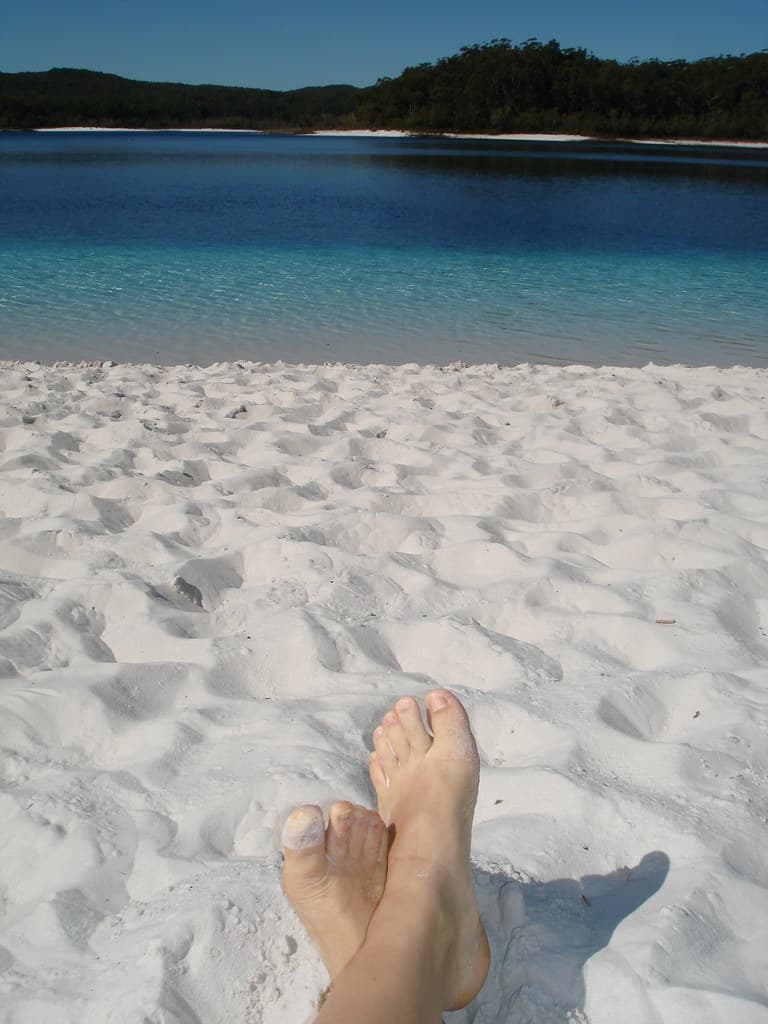
Your feet sink into sand that feels like powdered sugar, cool even under midday sun. Lake McKenzie stretches before you, a perched dune lake sitting forty metres above sea level, its water so pure and acidic that almost nothing lives in it—no fish, no seaweed, just you and the liquid mirror reflecting scribbly gums and wallum heath. The silica is fine enough to exfoliate your skin, which locals have done for generations, rubbing handfuls along their arms until they gleam. The lake's isolation creates its magic. Rainwater percolates through layer upon layer of ancient sand, emerging filtered to near-distilled clarity. You'll wade in and still see your toes in water up to your chest. The temperature hovers around eighteen degrees Celsius year-round—bracing, but the kind of cold that makes you feel awake. Families spread picnic blankets under banksia trees along the eastern shore, while the western edge offers deeper water and fewer footprints. You'll reach the lake via a sandy track accessible only to four-wheel-drive vehicles and tour coaches, the approach itself a reminder that K'gari remains wild. The car park sits steps from the shore, but the lake feels worlds removed from anywhere else. By late afternoon, when day-trippers depart, the surface stills to glass, and you'll understand why this particular stretch of sand and water has become the island's most photographed landmark.
Places, rentals, tours and events within walking and driving distance of Lake McKenzie Beach.
Photos
Lake McKenzie is generally very safe for swimming. The freshwater lake has no waves, currents, or dangerous marine life like jellyfish or sharks. The water is exceptionally clear with a sandy bottom, making it ideal for families with children. The lake reaches shallow depths gradually, perfect for wading. However, there are no lifeguards on duty, so supervision of children is essential. The pure rainwater can feel cool, especially in winter months. Swimming is permitted year-round, and the calm conditions make it suitable for all swimming abilities.
Lake McKenzie is stunning year-round, though April to October offers the most comfortable weather with mild temperatures and lower humidity. Summer (December-February) brings warm water and lush surroundings but can be hot and humid with occasional afternoon storms. Winter (June-August) sees cooler water temperatures but fewer crowds and pleasant daytime warmth. Avoid Australian school holidays if you prefer quieter visits. Early morning arrivals any season offer the best chance for photographs with fewer people and glassy water conditions reflecting the surrounding rainforest.
Lake McKenzie is accessible only by 4WD vehicle, as K'gari has no sealed roads. Most visitors join guided tours from Hervey Bay or Rainbow Beach, or hire a 4WD and explore independently with required permits. The lake is located in the island's interior, approximately 6.4 kilometres from Central Station via sandy tracks. A designated car park accommodates vehicles, though it fills quickly during peak times. Independent drivers need a Vehicle Access Permit and should be experienced in beach and sand driving. The walk from the car park to the lake is short and easy.
Lake McKenzie has basic facilities including toilets and boardwalks, but no food vendors, shops, or accommodation directly at the lake. Visitors must bring all food, water, and supplies with them. The nearest accommodation options are at Kingfisher Bay Resort, Eurong Beach Resort, or various camping areas across K'gari, all requiring vehicle travel. Picnic tables are available, and designated eating areas help minimize environmental impact. Remember to take all rubbish with you, as bins are not provided to protect the pristine environment and deter dingoes.
Lake McKenzie is a perched lake, meaning it sits above the water table in a depression of compacted sand and organic matter. It contains only rainwater with no streams flowing in or out, making it exceptionally pure. The white silica sand acts as a natural filter, and the lack of minerals or sediment creates the stunning crystal-clear visibility. The vivid blue colour results from the pure water reflecting the sky. This also means the lake is quite acidic and nutrient-poor, so no fish live here, preserving its pristine condition.