Counting the waves…
Counting the waves…

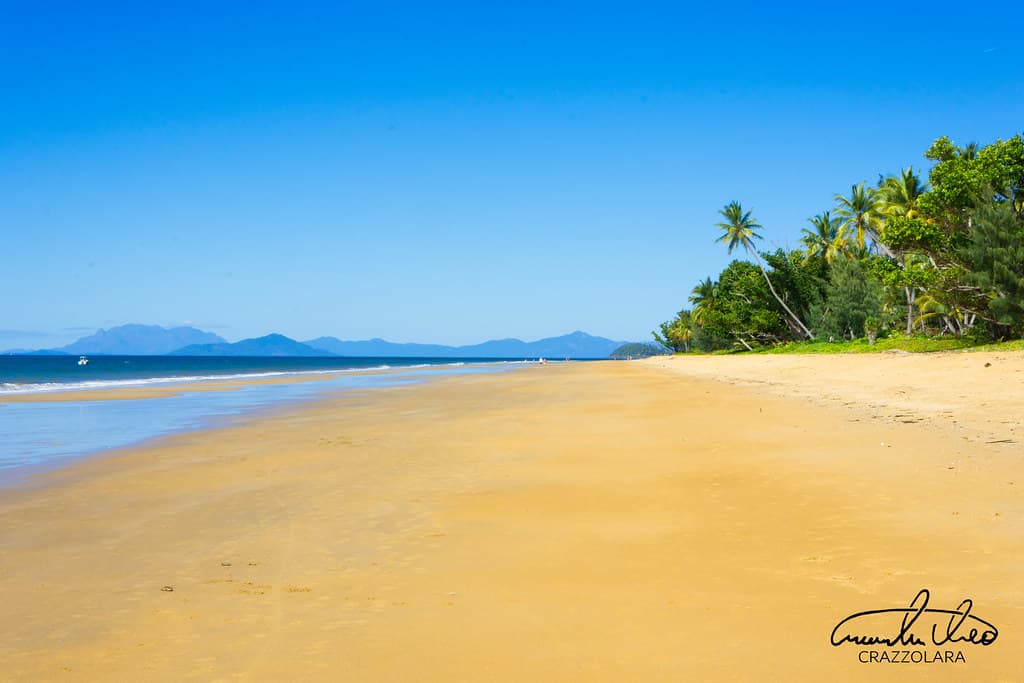
Step onto Mission Beach and the first thing you notice is the quiet. Unlike the Gold Coast's condo canyons three hours south, this fourteen-kilometre stretch keeps its low-slung profile, with paperbark trees leaning over the shore and few buildings taller than a coconut palm. The sand here is fine and white, almost powdery between your toes, and the water stays bathwater-warm even in the so-called winter months. On still mornings you can see the bottom ten metres out. The beach unfolds in segments—South Mission, Mission proper, Wongaling—but they bleed into one seamless strand where morning joggers leave the only tracks. Behind you, the rainforest presses in close: World Heritage-listed jungle that hums with insect chatter and, if you're lucky and early, the prehistoric rumble of a cassowary crossing the Bingil Bay road. Offshore, Dunk Island rises green and craggy, a forty-minute paddle in a sit-on-top. You won't find crowds here, even in July. Families cluster near the lifeguard flags at the main patrolled stretch, where a grassy foreshore offers picnic shelters and a single beachfront café. The rest belongs to you—and the sea eagles that ride the thermals above the tree line, scanning the shallows for fish.
Places, rentals, tours and events within walking and driving distance of Mission Beach.
Photos
Mission Beach has patrolled swimming areas during peak season, but swimmers should exercise caution year-round. Marine stingers (jellyfish) are present in waters from November to May, so wear protective stinger suits and swim only in designated netted enclosures. Crocodiles inhabit the region, so always obey warning signs and never swim in creeks, rivers, or unpatrolled areas. Check local surf conditions and swim between the red and yellow flags when lifeguards are on duty for the safest experience.
Mission Beach is a year-round destination with tropical weather. June to September offers the best conditions with sunny days, low humidity, and minimal rainfall—ideal for beach activities and water sports. October to May is the wet season with afternoon storms and higher temperatures. While swimming requires stinger suits during the summer months, this period offers lush rainforest scenery and fewer crowds. Water temperatures remain pleasant throughout the year, ranging from 23-29°C.
Mission Beach is located 140km south of Cairns, approximately a 90-minute drive along the Bruce Highway. Turn off at El Arish or Tully and follow signs through sugar cane fields and rainforest. Free public parking is available along the beachfront on Cassowary Drive and near Porters Promenade. During peak holiday periods, parking fills quickly, so arrive early. Regular bus services connect Mission Beach to Cairns and Townsville for visitors without vehicles.
Mission Beach offers diverse accommodation from beachfront resorts and holiday apartments to budget hostels and caravan parks, concentrated around the main village area. The town centre features cafés, restaurants serving fresh seafood, and casual takeaway options. Several grocery stores provide self-catering supplies. Nearby South Mission Beach and Wongaling Beach have additional dining venues. Accommodation ranges from eco-lodges nestled in rainforest to oceanfront properties, catering to various budgets and preferences throughout the Mission Beach area.
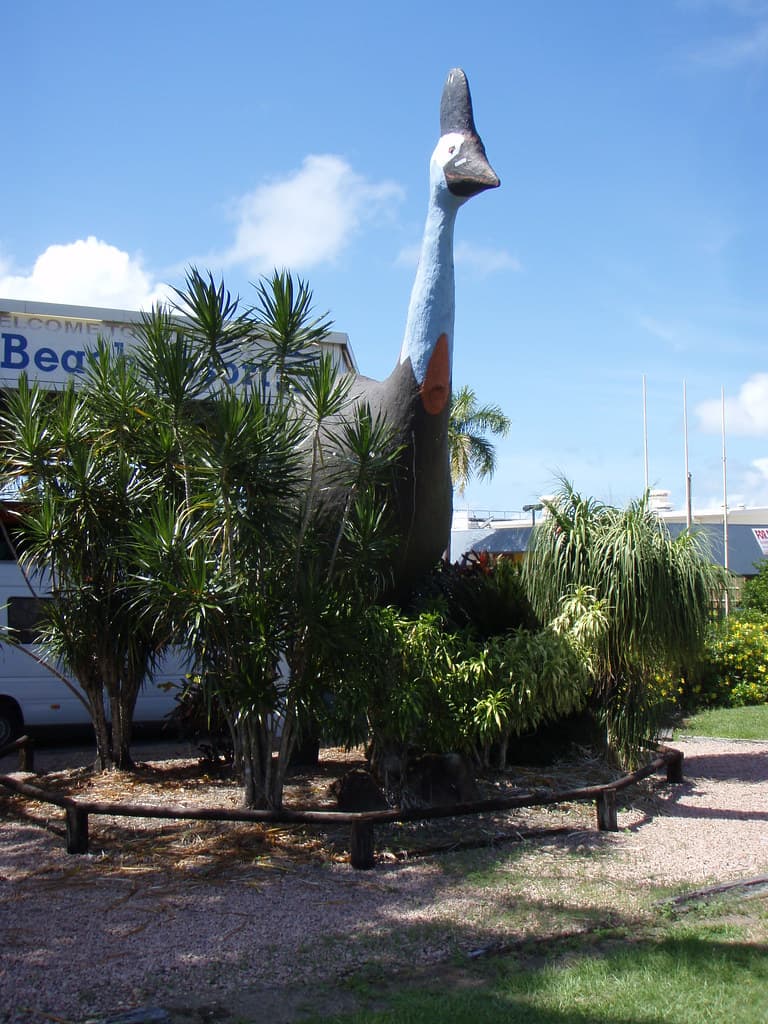
Mission Beach is one of Australia's best locations for spotting endangered cassowaries in the wild, with around 25% of Australia's cassowary population living in the surrounding rainforest. Early morning and late afternoon offer the best viewing opportunities along Lacey Creek and South Mission Beach roads. Always maintain a safe distance of at least 10 metres, never feed them, and drive carefully as cassowaries often cross roads. Local conservation centres provide information about protecting these impressive birds.