Counting the waves…
Counting the waves…
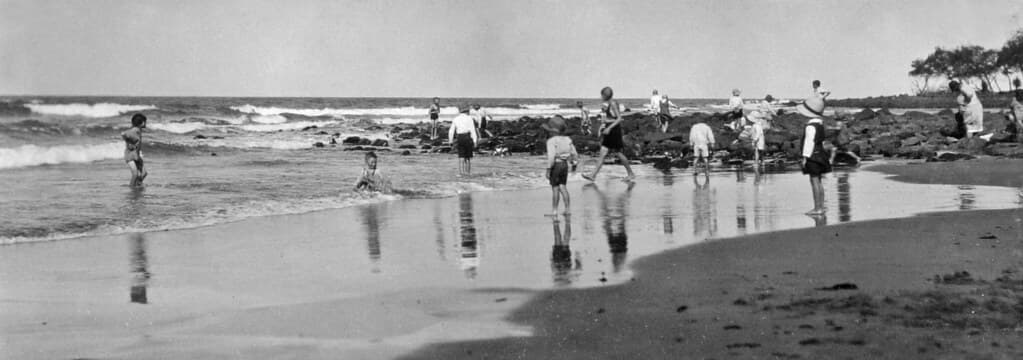
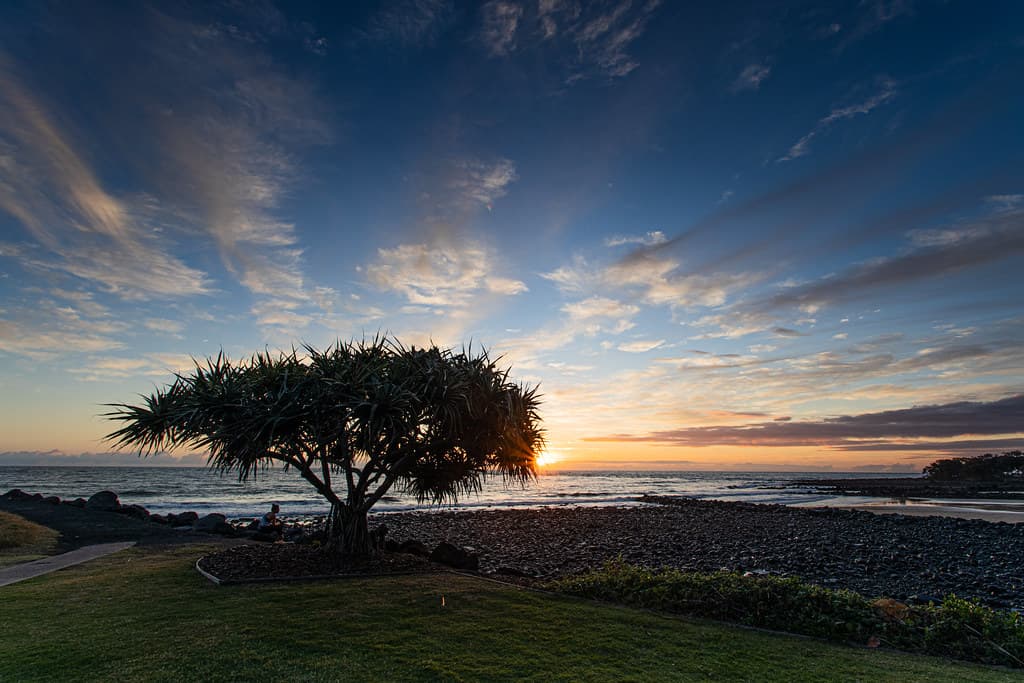
The sand still holds the day's warmth beneath your feet as you settle onto the observation deck, waiting. Rangers speak in hushed tones about the loggerheads making their way up the beach, their flippers carving deep tracks in the sand. This is Mon Repos between November and March: a nesting ground where you'll witness 3,000 turtle hatchings each season, their tiny silhouettes scrambling toward the surf under red-filtered torchlight that won't disturb their ancient navigation systems. During daylight hours, the beach reveals a quieter character. She-oak branches cast dappled shade over grassy areas where families spread blankets and unpack thermoses. The water remains shallow for fifty meters out, rippling over sandbars where children wade and dig. Oystercatchers sprint along the tideline, their orange beaks flashing as they probe for pipis. The coastline curves gently northeast, framed by low dunes and coastal scrub rather than the high-rises that dominate beaches further south. The Mon Repos Conservation Park manages both experiences carefully—limiting nightly visitor numbers, enforcing no-flash photography, requiring pre-booked turtle encounters. You'll leave your phone in the car and follow a ranger's instructions precisely, because this beach operates on the turtles' schedule, not yours. Between April and October, when nesting season ends, Mon Repos returns to locals who surf the northern break and walk dogs at dawn, the sand reset and waiting for next summer's arrivals.
Places, rentals, tours and events within walking and driving distance of Mon Repos Beach.
Photos
Mon Repos Beach is generally safe for swimming during calm conditions, with a gently sloping sandy bottom suitable for families. However, there are no lifeguard patrols, so swim at your own risk and stay alert for currents and marine stingers during summer months (October to May). The beach is also a protected turtle nesting site, so certain areas may be restricted during nesting season (November to March). Always check signage and observe any temporary closures to protect wildlife habitats.
Mon Repos Beach offers year-round appeal, but November to March is peak turtle nesting season, when you can witness loggerhead and other turtle species laying eggs or hatchlings emerging. The Mon Repos Turtle Centre operates guided night tours during this period (booking essential). For swimming and beach activities, the warmer months (September to May) are ideal, though Queensland's subtropical climate makes visits pleasant year-round. Winter (June to August) offers mild temperatures perfect for walks and wildlife observation.
Mon Repos Beach is located approximately 15 kilometres east of Bundaberg in Queensland. From Bundaberg, follow Bundaberg-Gin Gin Road east, then turn onto Mon Repos Road. The journey takes about 20 minutes by car. Free parking is available at the Mon Repos Conservation Park car park near the beach entrance. During turtle season, parking can fill quickly for evening programs, so arrive early. There's no public transport directly to Mon Repos, so a private vehicle or taxi is necessary.
Mon Repos Beach itself has limited facilities—just picnic areas and toilets at the conservation park. The nearest town, Bargara (about 5 kilometres away), offers cafes, restaurants, and shops for supplies. Bundaberg, 15 kilometres west, has extensive dining and shopping options. Accommodation ranges from beachside holiday apartments and resorts in Bargara to hotels and caravan parks in Bundaberg. Several properties near Mon Repos specifically cater to turtle-watching visitors with convenient access to night tours.
Mon Repos is Australia's most accessible mainland turtle rookery and the largest loggerhead turtle nesting population in the South Pacific. Turtle encounters (nesting or hatchlings) occur nightly from November to late March through the Mon Repos Turtle Centre's guided tours. Independent beach access during turtle season is prohibited after dark to protect turtles. Bookings are essential and can be made online through Queensland Parks or by phone. Tours include educational presentations and ranger-guided beach access when turtles are active.