Counting the waves…
Counting the waves…

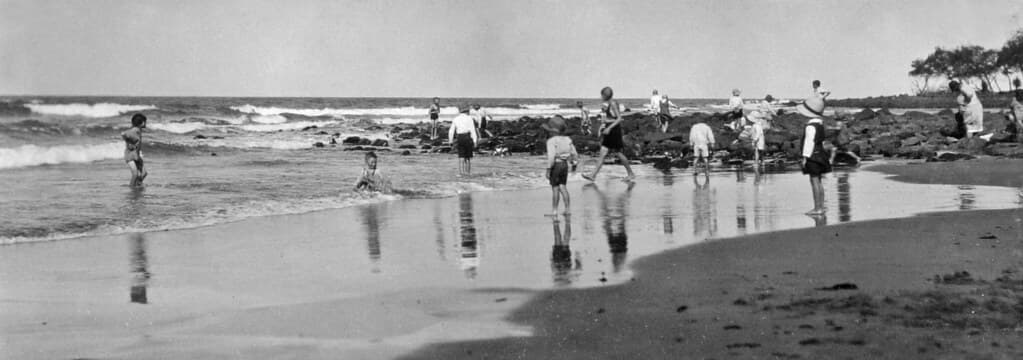
Bargara Beach sits right at the edge of town, a wide crescent of tawny sand bordered by Norfolk pines and a paved foreshore path busy with morning walkers and afternoon cyclists. The water is bath-warm in summer, comfortable even in winter, and the beach slopes gently enough that children wade out safely while their parents sip flat whites from one of the nearby cafés. Tidal rock pools stud the northern end, pooling enough water for snorkelers to drift over brain coral and spot parrotfish darting through crevices. The esplanade hums with everyday life: locals jog past benches, retirees claim shaded picnic spots by nine, and bakeries sell sausage rolls still hot from the oven. You won't find resort glitz or Instagram crowds here—just honest access, clean facilities, and a beach that earns its keep seven days a week. The sand is firm enough for long walks, and when the easterly swell picks up, a modest break forms off the headland. Pack reef-safe sunscreen, a wide hat, and low expectations of solitude. Bargara delivers what urban beaches do best: reliability. The water is swimmable, the parking plentiful, the fish-and-chips decent. If you're driving the Queensland coast between Fraser Island and the Whitsundays, this is your no-fuss refueling stop—a beach that works, without needing to announce itself.
Places, rentals, tours and events within walking and driving distance of Bargara Beach.
Photos
Bargara Beach is generally safe for swimming, with patrolled areas during peak seasons and school holidays. The beach features calm, protected waters thanks to offshore reefs, making it suitable for families and less confident swimmers. However, always swim between the red and yellow flags when lifeguards are on duty, check local conditions before entering the water, and be mindful of marine stingers during summer months (November to May). The shallow reef areas are excellent for snorkelling but wear protective footwear to avoid cuts from coral or rocks.
Bargara Beach is enjoyable year-round thanks to Queensland's subtropical climate. Winter months (June to August) offer pleasant temperatures around 20-24°C with minimal rainfall, ideal for beach walks and outdoor activities. Summer (December to February) brings warmer water and temperatures up to 30°C, perfect for swimming, though this is also stinger season requiring protective suits. Spring and autumn provide comfortable conditions with fewer crowds. The area experiences most rainfall between January and March, but showers are typically brief and shouldn't disrupt your beach plans significantly.
Bargara Beach offers convenient parking along the foreshore with several options. Free street parking is available on The Esplanade and surrounding streets near the beach, though spaces fill quickly during weekends and holidays. There's also a designated car park at Nielsen Park near the main beach area. Most parking is within easy walking distance of the sand, cafes, and facilities. Arriving early morning or after 3pm typically ensures easier parking availability. The beach is approximately 13 kilometres east of Bundaberg, accessible via Bargara Road, with clear signposting throughout the journey.
Bargara's foreshore features numerous cafes and restaurants within walking distance of the beach, serving everything from casual breakfast spots to seafood dining. Popular options line The Esplanade, offering ocean views and fresh local produce. Accommodation ranges from beachfront resorts and holiday apartments to motels and caravan parks, many with direct beach access. The town centre provides supermarkets, bakeries, and takeaway shops for self-catering visitors. Public amenities include clean toilets, showers, picnic facilities, and barbecue areas at Nielsen Park, making it easy to spend a full day at the beach.
Yes, Bargara Beach is renowned for turtle sightings, particularly loggerhead and green sea turtles. The offshore reef and seagrass beds attract turtles year-round, with Mon Repos Conservation Park just 15 minutes away being one of Australia's most significant turtle rookeries. Between November and March, you might spot turtles from the shore or while snorkelling. The best viewing times are early morning or late afternoon in calm, clear conditions. Always observe turtles from a respectful distance and never touch or chase them, as they're protected species under Queensland law.