Counting the waves…
Counting the waves…

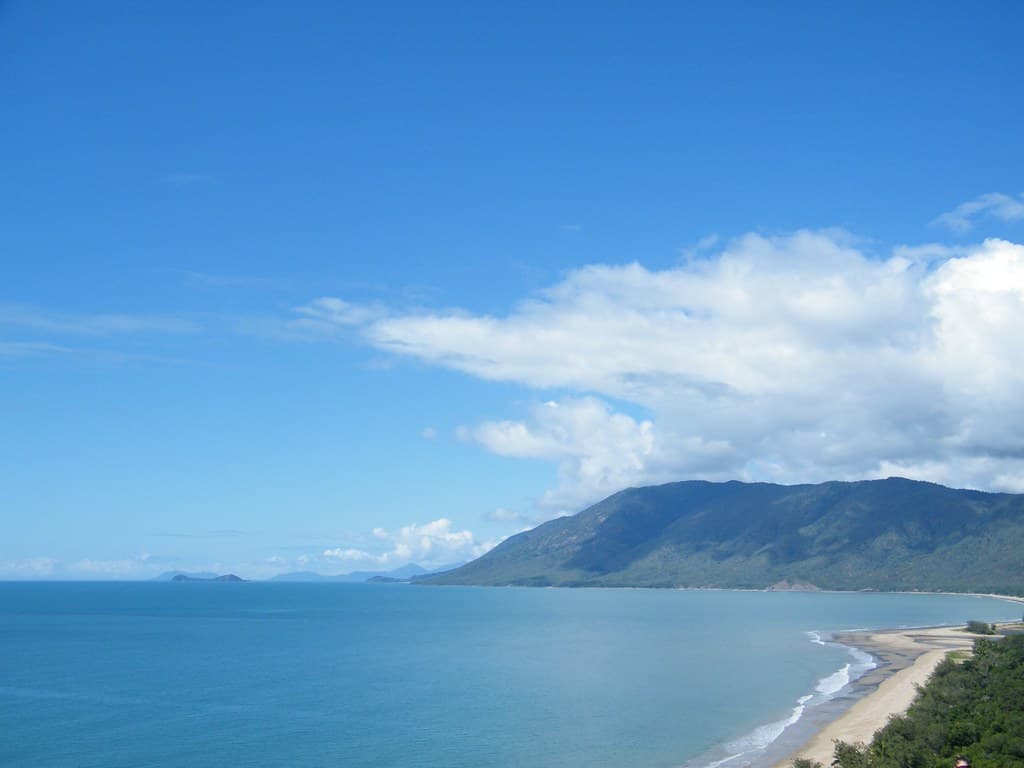
The Captain Cook Highway deposits you at a gravel turnoff flanked by screw pines and melaleucas, their papery bark peeling in scrolls above a shore that smells of salt and wet eucalyptus. Oak Beach unfolds in a gentle arc, its sand the color of raw honey, scattered with mangrove pods and coral fragments polished smooth by the Coral Sea. Offshore, the reef platform sits just beneath the surface—you'll see dark patches where bommies rise close enough to snorkel at high tide, though stinger nets are absent here, so bring a suit during November through May. Few tourists venture this far south when Four Mile Beach lies minutes away, which means you'll share the morning shallows with egrets stalking the tide line and the occasional local walking a cattle dog. The fringing reef creates a natural lagoon where the water settles into shades of bronze and jade, warm enough year-round that you'll float without a wetsuit, watching dart gobies flicker over the sand. Behind the beach, the Macalister Range rises in green tiers, close enough that you can trace individual tree crowns. Stay until late afternoon, when the light slants gold through the paperbarks and the reef platform begins to expose its shoulders. There's no kiosk, no lifeguard tower—just a single picnic shelter and a stretch of sand that feels like it belongs to the birds and the mangroves more than to anyone passing through.
Places, rentals, tours and events within walking and driving distance of Oak Beach.
Photos
Oak Beach is generally calmer than nearby open ocean beaches due to its sheltered location, making it suitable for swimming during most conditions. However, like all tropical north Queensland beaches, marine stingers (jellyfish) are present during summer months (November to May), so wear protective stinger suits. Always check local conditions before entering the water, avoid swimming alone, and be mindful of tides and currents. There are no patrolled areas or stinger nets, so exercise caution and personal responsibility when swimming.
Oak Beach is accessible year-round, but the dry season (May to October) offers the most pleasant conditions with lower humidity, minimal rainfall, and comfortable temperatures averaging 20-28°C. This period also avoids the marine stinger season. The wet season (November to April) brings higher humidity and afternoon storms, though mornings can still be beautiful. For the quietest experience, visit on weekdays outside Australian school holidays. Early mornings provide the best light for the scenic coastline views.
Oak Beach is located approximately 20 minutes north of Port Douglas via Captain Cook Highway. Turn onto Port Douglas Road, then follow Oak Beach Road to the coast. Limited street parking is available along the beachfront residential area—look for public access points between properties. There's no formal car park, so be respectful of local residents and avoid blocking driveways. The beach is best accessed by car, as public transport options to this small coastal community are limited.
Oak Beach is a small residential community with limited commercial facilities. The area offers some private holiday rental homes and villas, providing a quiet alternative to Port Douglas accommodations. For dining, restaurants and cafes are scarce directly at Oak Beach—you'll need to drive to nearby Port Douglas (10 minutes south) for a full range of dining options and grocery stores. This makes Oak Beach ideal for self-catering stays or day trips rather than a full-service resort experience.
Oak Beach remains relatively quiet because it's primarily a residential area without the tourist infrastructure of Port Douglas's Four Mile Beach. There are no resorts, patrolled swimming areas, or beachfront facilities, which naturally limits visitor numbers. The beach appeals to those seeking solitude and scenic beauty rather than amenities. Its location just north of the main Port Douglas hub means many visitors simply don't venture this far, making it a peaceful alternative for couples and travellers wanting to escape the crowds.