
Counting the waves…
Counting the waves…

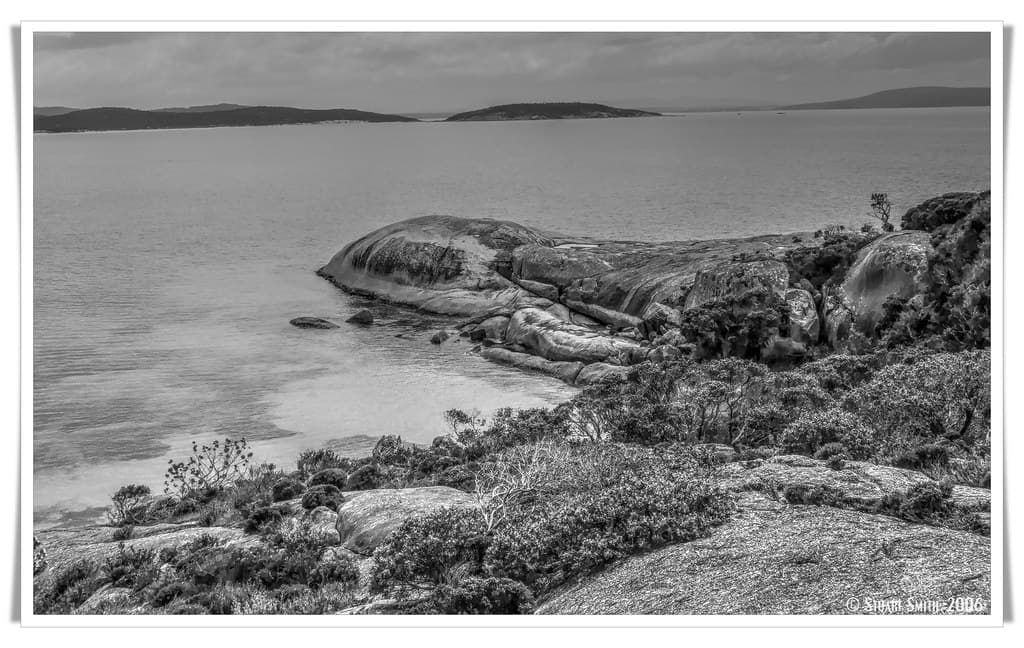
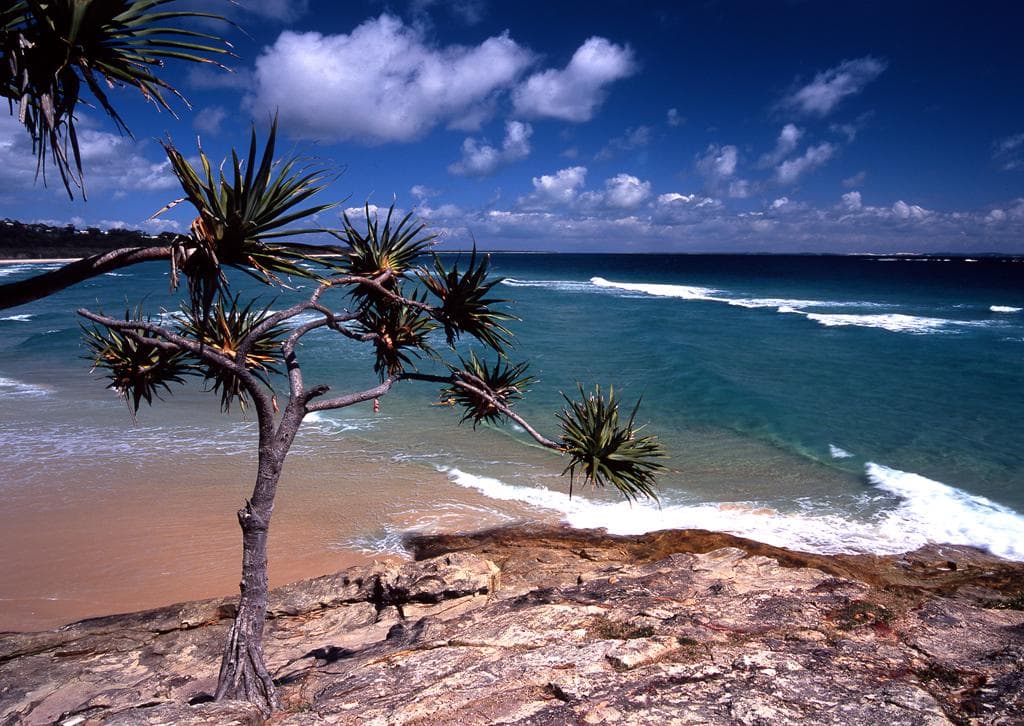
The walk from the carpark winds through coastal banksia scrub, opening suddenly onto a half-moon bay where the Pacific feels more lake than ocean. Cylinder Beach earns its reputation as Straddie's go-to family strand thanks to the rocky headlands that tame the swell into rollable waves and bath-warm shallows. You'll notice parents letting toddlers splash unsupervised near the shore while teenagers bodysurf the waist-high break farther out. The sand here is squeaky underfoot, brilliant white against water that shifts from jade to sapphire depending on the cloud cover. The southern corner transforms into a snorkeling zone at high tide, where boulders create pools teeming with sergeant majors and wrasse. You'll find the clearest visibility early morning, before the nor'easter kicks up afternoon chop. Boardwalks thread through the dunes to the campground behind the beach, where canvas and nylon crowd beneath she-oaks and the smell of sausages on portable grills mingles with salt air. By late afternoon the light turns honeyed, backlighting the spray as sets roll through. Locals time their visits to the shoulder seasons—April and September—when the water still hovers around 22°C but the weekend crowds thin to a scattering of dedicated surfers and retirees with fold-out chairs. The beach empties completely by dusk, save for the occasional fisherfolk casting from the rocks.
Places, rentals, tours and events within walking and driving distance of Cylinder Beach.
Photos
Cylinder Beach is generally safe for swimming due to its protected location on North Stradbroke Island's western side, facing Moreton Bay. The beach typically has calmer waters than ocean-facing beaches, making it suitable for families and less confident swimmers. However, conditions can vary with tides and weather. There are no lifeguard patrols, so always swim during daylight hours, stay between the flags if present, and check conditions before entering the water. Watch for boats in the area and supervise children closely.
Cylinder Beach is enjoyable year-round thanks to Queensland's subtropical climate. Summer (December-February) offers warm water and ideal swimming conditions, though it's the busiest period. Winter (June-August) provides mild temperatures perfect for beach walks and snorkeling, with fewer crowds. Spring and autumn offer pleasant weather and good visibility for underwater activities. Weekdays are generally quieter than weekends. For the calmest water, visit during low to mid-tide. Between June and November, you may spot migrating humpback whales from nearby headlands.
Cylinder Beach is located at Point Lookout on North Stradbroke Island. Access the island via vehicle ferry from Cleveland (45 minutes) or water taxi. From Dunwich ferry terminal, drive approximately 20km to Point Lookout. Cylinder Beach has a dedicated car park off Cylinder Beach Road with free parking available. The parking area can fill quickly during peak summer periods and holidays, so arrive early. The beach is a short walk from the car park. Alternative parking is available in Point Lookout township, about 500 meters away.
Cylinder Beach has basic facilities including public toilets and outdoor showers at the car park. The adjacent Cylinder Beach campground offers camping facilities. Point Lookout township, a short walk away, has cafes, restaurants, takeaway shops, a general store, and a bottle shop. Accommodation options in Point Lookout include holiday rentals, backpacker hostels, and resorts. For full supermarket shopping, visit Dunwich near the ferry terminal. Several tour operators in Point Lookout offer whale watching, snorkeling trips, and island tours during various seasons.
Cylinder Beach offers excellent snorkeling opportunities, particularly around the rocky headlands at either end of the beach. The protected waters provide good visibility, especially during calmer conditions. Snorkelers commonly spot colorful reef fish, rays, turtles, and occasionally dolphins. The rocky areas harbor diverse marine life including wobbegong sharks (harmless) and octopus. Best snorkeling occurs at high tide when water covers the rocks more completely. Bring your own equipment as rentals aren't available directly at the beach. Always snorkel with a buddy and stay aware of boat traffic.