Counting the waves…
Counting the waves…

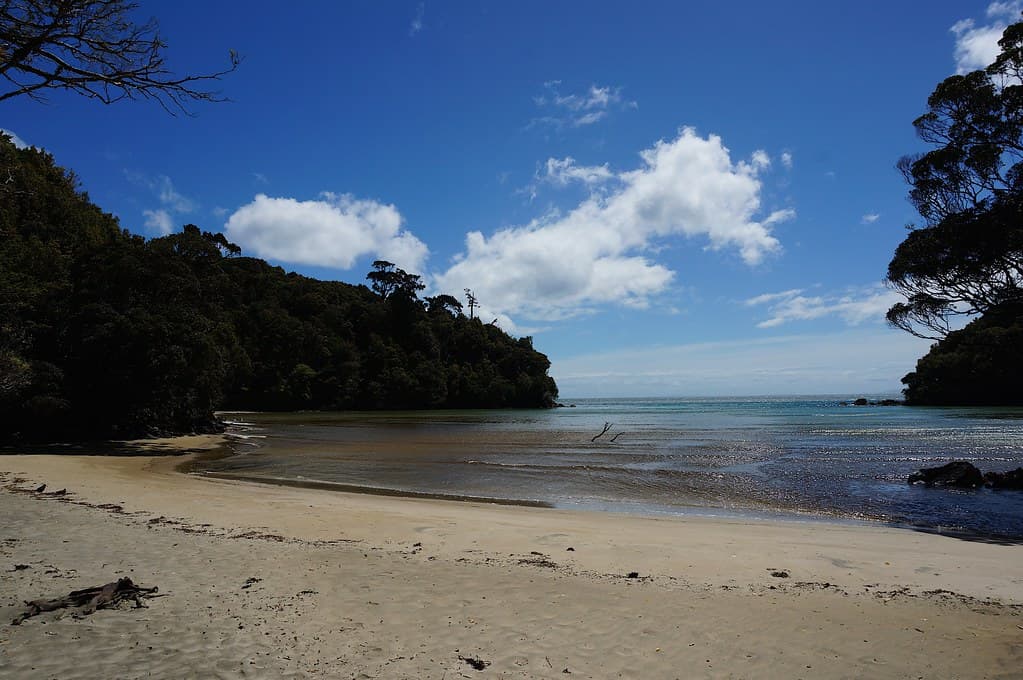
The drive to Port Stewart Beach traces dirt tracks that turn cinnamon-red after rain, winding through savanna woodland until the Gulf opens before you. This isn't a beach for swimmers who crave waves—tides here retreat so far that you'll walk across ribbed sand and mud for twenty minutes before reaching ankle-deep water. Instead, you come for the silence broken only by the rustle of paperbarks and the occasional splash of a barramundi. Low tide reveals an intertidal world: soldier crabs march in formation, mudskippers dart between puddles, and the exposed flats shimmer under Queensland's relentless sun. Fishermen cast lines from the shoreline, hoping for threadfin salmon or the prized mangrove jack. The beach curves gently, bordered by dense mangrove forests that provide shade and shelter for countless bird species—you might spot jabirus stalking the shallows or sea eagles circling overhead. Stay until dusk, when the tide begins its return and the sky turns shades of copper and violet over the gulf. The remoteness demands preparation—bring drinking water, insect repellent, and fuel—but rewards you with an emptiness that feels both vast and intimate, a shoreline shaped more by tides and seasons than by human hands.
Places, rentals, tours and events within walking and driving distance of Port Stewart Beach.
Photos
Swimming conditions at Port Stewart Beach vary with tides and weather. As with most Queensland beaches, be mindful of marine stingers during summer months (November-May) and check local warnings. The beach's relatively calm waters make it suitable for swimming, though there are no patrolled areas with lifeguards. Always swim during daylight hours, stay close to shore, and be aware of changing tides. Check current conditions with local authorities before entering the water, and never swim alone.
Port Stewart Beach offers year-round appeal thanks to Queensland's favorable climate. Winter months (June-August) provide comfortable temperatures around 20-25°C with lower humidity and minimal rainfall, ideal for beach walks and photography. Summer (December-February) brings warmer conditions perfect for swimming, though afternoon storms are common. Autumn and spring offer pleasant weather with fewer crowds. The beach's scenic beauty shines in early morning and late afternoon light regardless of season, making any time worthwhile for visitors seeking tranquility.
Port Stewart Beach is accessible by car from major Queensland coastal routes. The beach typically has roadside or designated parking areas near the shore, though facilities may be limited compared to larger tourist beaches. Access roads are generally suitable for standard vehicles. Given Port Stewart's quieter nature, parking is usually available even during peak times. If traveling from major cities, plan your route in advance and ensure you have sufficient fuel, as remote coastal areas may have limited services.
Port Stewart is a small coastal community with limited commercial facilities. Basic amenities may be available locally, but visitors should plan accordingly for a more remote beach experience. Nearby larger towns offer supermarkets, restaurants, and accommodation options including motels, holiday rentals, and caravan parks. It's advisable to bring food, water, and essentials with you, especially for day trips. For extended stays, research accommodation in advance as options in smaller coastal communities can be limited during peak seasons.
Port Stewart Beach stands out for its tranquil atmosphere and unspoiled natural beauty, offering a peaceful alternative to busier tourist destinations. The beach attracts visitors seeking scenic views without commercial development or crowds. Its relatively undiscovered status means you can enjoy long stretches of coastline in relative solitude, perfect for contemplative beach walks, photography, or simply unwinding. The authentic coastal character provides an escape from heavily developed beach areas, though this means fewer facilities and services on-site.