
Counting the waves…
Counting the waves…

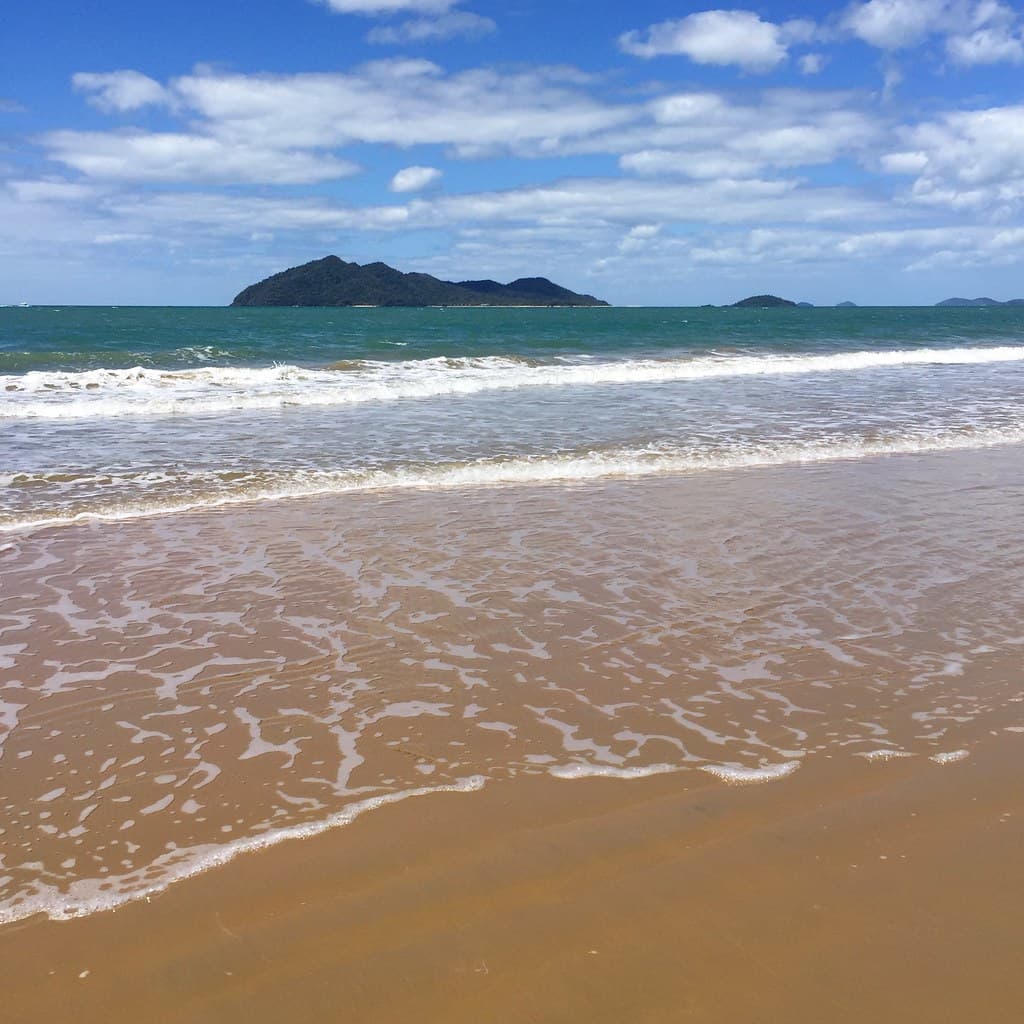
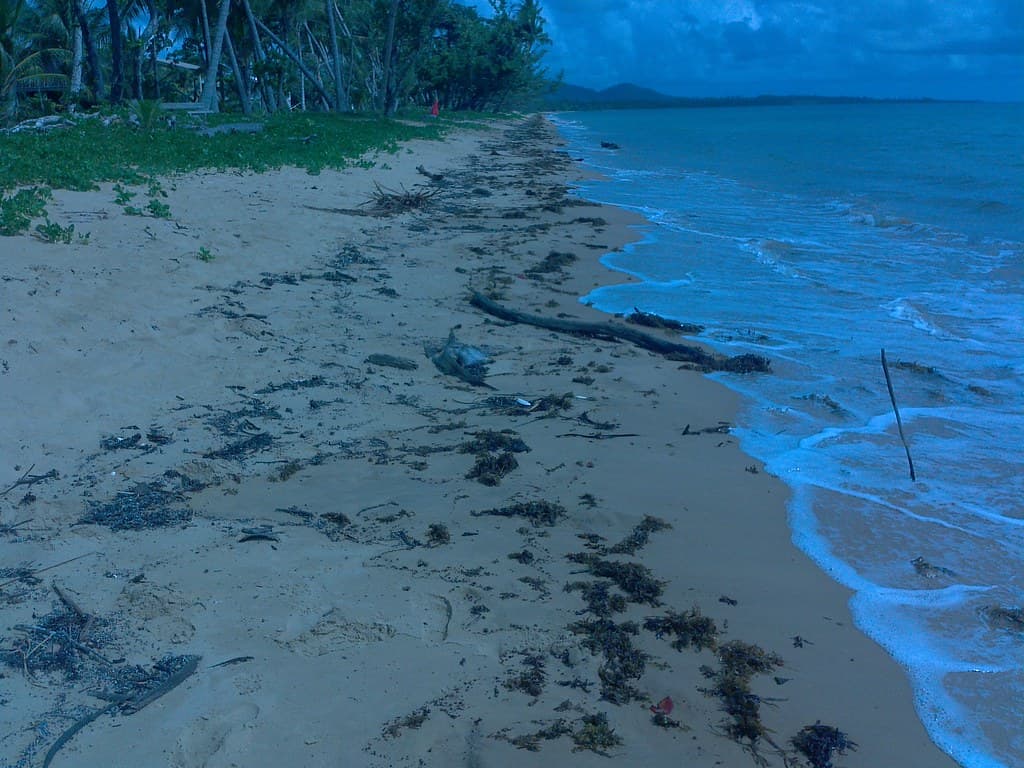
Wongaling unfurls along the quietest end of Mission Beach's fourteen-kilometer ribbon of sand, where the Wet Tropics rainforest spills almost to the waterline. You'll notice the absence of high-rises—planning laws keep buildings beneath the canopy—and the tide pulls back hundreds of meters at dawn, exposing sandbars ribbed like corduroy and tide pools warm enough for toddlers. Local families claim their usual spots beneath the she-oaks by seven, staking shade before the sun climbs over Dunk Island's silhouette. The sand here is ground coral and shell, brilliant white against turquoise water that stays shallow for fifty paces out. Lifeguards patrol the netted enclosure daily during stinger season, and you'll share the shallows with pied cormorants diving for baitfish and the occasional flathead cruising the drop-off. Backing the beach, the Wongaling Beach Motel and a handful of low-slung holiday units sit behind pandanus groves, and the village's single shopping strip—a bakery, fish-and-chip shop, bottle store—is a three-minute barefoot walk inland. Come at five-thirty when the light turns apricot and the wind dies. You'll watch the sun drop behind the Cardwell Range while fruit bats stream overhead toward the mango trees, their wings backlit in gold. Some evenings, if you're quiet near the creek mouth at the southern end, a cassowary might step from the treeline to drink, blue wattles glowing in the dusk.
Places, rentals, tours and events within walking and driving distance of Wongaling Beach.
Photos
Wongaling Beach is generally safe for swimming, though conditions vary seasonally. During the Australian summer (November-May), marine stingers including box jellyfish are present in the water, so swimming within the stinger nets is essential and wearing protective stinger suits is strongly recommended. Year-round, always check beach conditions and warning signs before entering the water. The beach has a gentle slope and is typically calm, making it suitable for families, but standard ocean safety precautions apply. No permanent lifeguard patrol is stationed here.
Wongaling Beach is enjoyable year-round, with tropical North Queensland weather providing warm temperatures in all seasons. The dry season (May-October) offers the best conditions with lower humidity, minimal rainfall, and comfortable temperatures around 20-26°C, plus stinger-free swimming. The wet season (November-April) brings higher temperatures, afternoon thunderstorms, and marine stinger presence requiring protective measures. Winter months (June-August) are particularly popular for pleasant beach weather without extreme heat. Each season offers different advantages depending on your preferences.
Wongaling Beach is located in the Mission Beach area, approximately 140 km south of Cairns and 200 km north of Townsville. Access is via the Bruce Highway, turning off at El Arish or Tully. The beach has several access points with parking available along Wongaling Beach Road and nearby streets. Free parking is generally available close to beach access points, though spaces can fill during peak holiday periods. The beach is easily walkable from accommodations in Wongaling Beach village, which is the southernmost of the Mission Beach settlements.
Wongaling Beach village offers a range of accommodation from beachfront resorts and holiday apartments to budget motels and backpacker hostels. Dining options include casual cafes, restaurants, and a tavern serving Australian and international cuisine, though choices are more limited than larger tourist centres. A small supermarket and convenience stores provide basic supplies. The nearby Mission Beach village (just a few kilometres north) offers additional restaurants and shops. Many visitors self-cater using local accommodation kitchens, especially for longer stays in this relaxed, village-style beach destination.
Wongaling Beach is within one of Australia's key cassowary habitats, and sightings of these endangered flightless birds occasionally occur on or near the beach, particularly in early morning or late afternoon. The Mission Beach area is home to a significant population of Southern Cassowaries, which move between the rainforest and coastal areas. If you encounter a cassowary, maintain a respectful distance (at least 5 metres), never feed them, and keep dogs leashed. Local signage provides cassowary safety information, and sightings contribute to this region's unique wildlife experience.