Counting the waves…
Counting the waves…
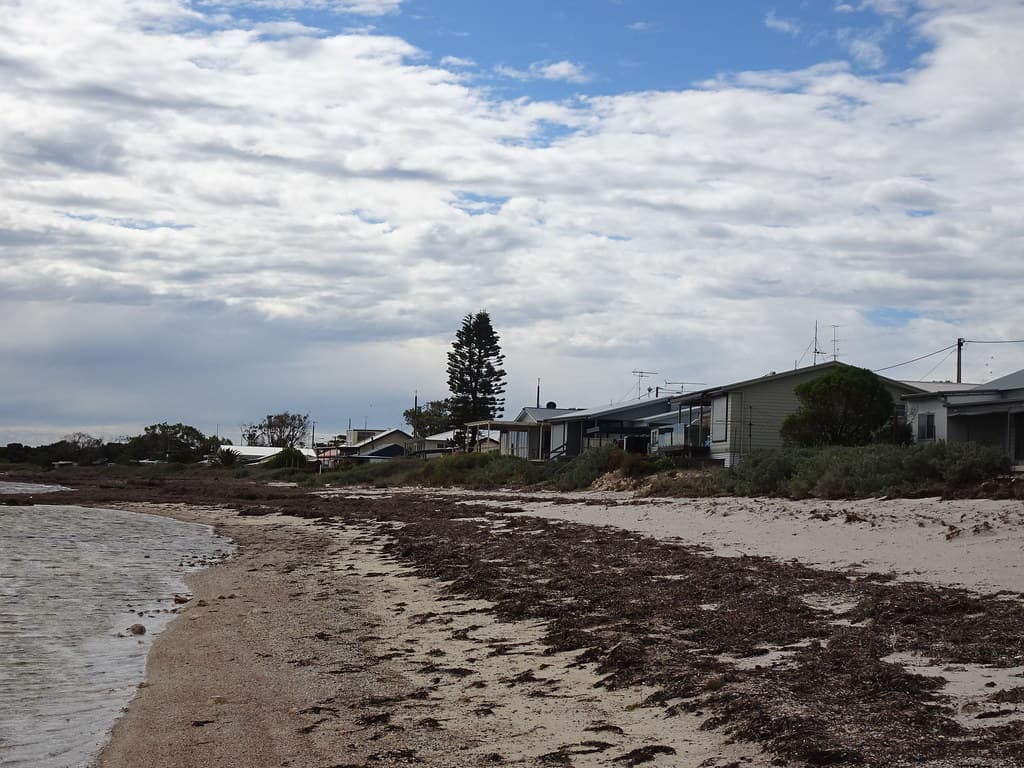
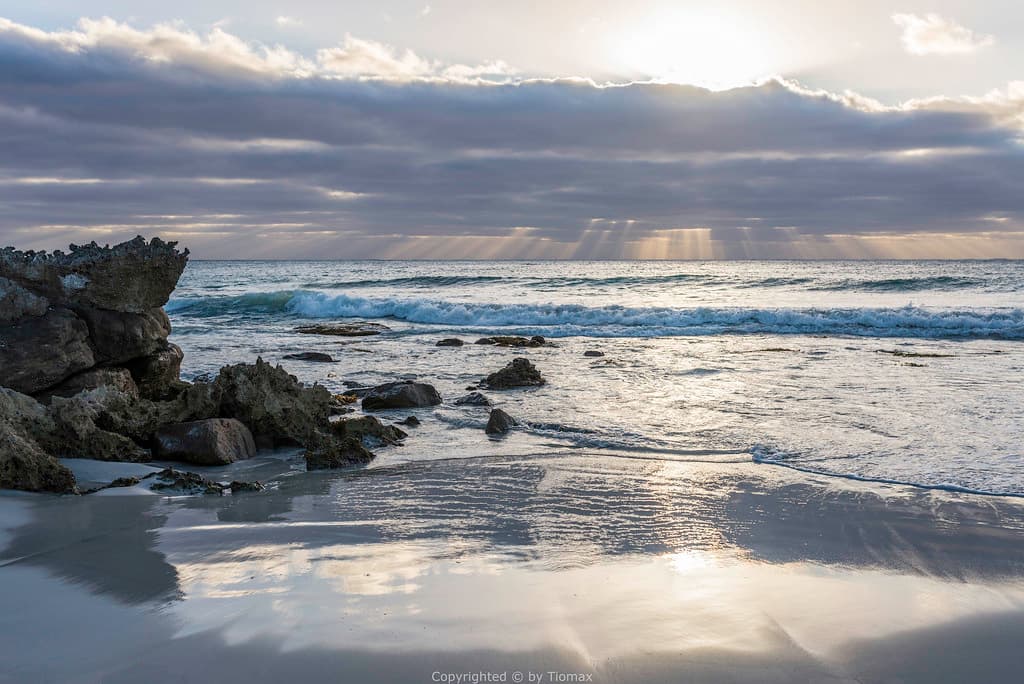
The drive out to Corny Point traces the spine of the Yorke Peninsula through wheat fields that run right to the cliff edge, then drop away to reveal a coastline that belongs to another century. This isn't a beach for umbrellas and ice cream—it's a working shoreline where farmers once loaded grain onto ketches and where surfers now study the water with the same attention their grandfathers gave to weather patterns. The waves here answer to Southern Ocean rhythms, not holiday calendars. Winter westerlies stack up long-interval swells that peel along the reef breaks, while summer brings cleaner conditions and water temperatures that creep toward tolerable. Between sessions, you'll find tide pools carved into the limestone platform, each one a saltwater terrarium teeming with anemones and darting fish. The beach itself curves in a gentle arc, its sand the color of wet cement, littered with kelp ropes and cuttlebone. There's a single weathered jetty, a boat ramp slick with weed, and a scattering of fibro holiday shacks that haven't changed much since decimal currency arrived. The nearest cappuccino is an hour's drive away, which is precisely why the handful of people who come here keep coming back. You'll need to bring everything—water, food, patience—and in return, you get a coastline that hasn't been optimized for anything except the business of being itself.
Places, rentals, tours and events within walking and driving distance of Corny Point Beach.
Photos
Corny Point Beach is popular with experienced surfers due to its powerful waves, which can make swimming conditions challenging for casual beachgoers. The beach is relatively remote with no surf lifesaving patrols, so swimmers should exercise caution. Strong currents and varying swell conditions mean it's best suited for confident swimmers and surfers. Always check local conditions before entering the water, swim between the flags if patrols are present during peak season, and never swim alone. The beach's isolation means help may not be immediately available in emergencies.
Corny Point Beach is accessible year-round, with each season offering different advantages. Winter months (June-August) typically bring larger swells favoured by surfers, while summer (December-February) offers warmer weather ideal for beach activities, though waves may be smaller. Spring and autumn provide mild temperatures and fewer crowds, perfect for peaceful beach walks. The Yorke Peninsula enjoys a Mediterranean climate with generally dry summers. For surfing, autumn and winter produce the most consistent waves. Regardless of season, the beach's remote location means you'll often have it largely to yourself.
Corny Point Beach is located on the western tip of South Australia's Yorke Peninsula, approximately 250 kilometres from Adelaide. The journey takes around 3-3.5 hours by car via the Copper Coast Highway through Kadina. The final stretch involves sealed roads leading to Corny Point township. Parking is available near the beach access points, typically informal roadside parking areas. A 2WD vehicle is generally sufficient, though conditions can vary. The remote location means public transport isn't available, so a private vehicle is essential for visiting this hidden coastal gem.
Corny Point is a small, remote settlement with limited amenities. The area has basic facilities but no restaurants or cafes directly at the beach. Visitors should bring their own food, water, and supplies. The nearest shops and fuel are in Minlaton, about 40 kilometres away. Accommodation options include holiday rentals and shacks in Corny Point itself, plus caravan parks and B&Bs in nearby towns like Minlaton and Stansbury. The beach has no lifeguard facilities, toilets may be limited, so plan accordingly and pack essentials for a self-sufficient beach visit.
Corny Point Beach attracts surfers seeking uncrowded waves away from mainstream surf spots. The beach faces west, catching Southern Ocean swells that create consistent, quality breaks particularly during winter months. The point break can produce long rides in the right conditions, while reef breaks nearby offer variety for experienced surfers. The remote location means you'll often surf with minimal crowds compared to popular South Australian beaches. However, this isolation also means surfing alone can be risky, and you should be self-sufficient with equipment and safety knowledge given the limited facilities and emergency services.